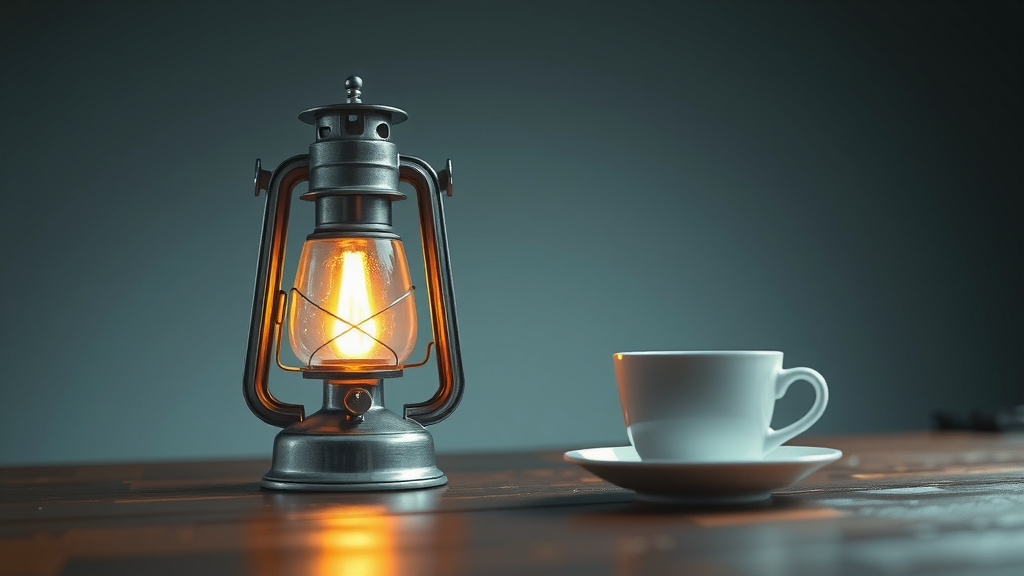
How to Light a Kerosene Lamp Safely and Properly
Lighting a kerosene lamp is straightforward when you know the steps. You’ll want to fill the lamp with kerosene, then let the wick soak. After that, you trim the wick and light it, adjusting the flame for the desired brightness. It’s a reliable way to get light without electricity.
Kerosene lamps have been a trusted light source for generations, especially during power outages. Understanding how they work and how to operate them safely is key. Many find them charming for their Understanding how they work is key to operating them safely.warm, ambient glow. We’ve researched the process to make it easy for you.
- Fill the lamp with clean kerosene.
- Let the wick saturate for at least 30 minutes.
- Trim the wick to about 1/4 inch.
- Light the wick and adjust the flame.
- Always use in a well-ventilated area.
Ready to get your lamp going? Let’s walk through the process step by step to make sure you light your kerosene lamp safely and effectively.
Getting Your Kerosene Lamp Lit Safely
Lighting a kerosene lamp is easier than you might think. You’ll want to be sure you have everything ready beforehand. This makes the whole process smooth and safe. We’ve researched the best practices to guide you through it. Let’s get that warm glow going!
Gathering Your Kerosene Lamp Supplies
Before you even think about striking a match, make sure you have the right supplies. You’ll need your kerosene lamp, of course. It should be clean and in good working order. Most importantly, you’ll need **high-quality lamp kerosene**. Don’t use gasoline or other fuels; they are highly flammable and dangerous.
You’ll also want a **long match or a utility lighter**. This helps keep your fingers away from the flame as you light the wick. Having a funnel can make filling the lamp much cleaner. Finally, a clean cloth or paper towel is handy for wiping up any spills. Having these items ready prevents fumbling around with a lit lamp.
Choosing the Right Kerosene
The type of fuel you use is extremely important for safety and performance. You should always use **kerosene specifically designed for lamps**. This fuel burns cleaner and produces less soot. It’s often labeled as “1-K kerosene.”
You might see different grades of kerosene. Avoid “range oil” or “heating oil” if possible. These can be less refined and may cause your lamp to smoke or smell more. Stick to lamp-grade kerosene for the best and safest results. Many experts recommend using **odorless lamp kerosene** to minimize any unpleasant smells, especially if you plan to use the lamp indoors.
Filling Your Kerosene Lamp: A Step-by-Step Guide
Filling the lamp is the first major step. Ensure the lamp is **completely cool** before you begin. Never fill a warm or hot lamp. This is a critical safety precaution. Remove the burner assembly from the lamp. Use your funnel to slowly pour the kerosene into the reservoir.
Don’t overfill the reservoir. Most lamps have a fill line, or you can aim to fill it about **two-thirds to three-quarters full**. Overfilling can lead to leaks or a dangerous flare-up. Leave some space at the top. Once filled, carefully replace the burner assembly. Wipe away any drips with your cloth.
Wick Preparation: The Key to a Good Flame
The wick is what actually burns and produces the light. It needs to be properly prepared. Ensure the wick is **firmly seated** in the burner. If it’s loose, it won’t draw fuel effectively. Most wicks are made of cotton.
Here’s where patience comes in: you need to let the wick **saturate completely with kerosene**. This process can take at least 30 minutes, sometimes longer. Think of it like a straw – the wick needs time to soak up the fuel from the reservoir. If you light it too soon, the wick will burn itself, creating a lot of smoke and soot, and it might not even light properly. We found that waiting the full 30 minutes makes a noticeable difference in burn quality.
Trimming the Wick for an Even Burn
Once the wick is saturated, you’ll likely need to trim it. Look at the top of the wick. If it’s uneven or has a charred, mushroom-like shape, trim it. Use a **sharp pair of wick trimmers or small scissors**. Aim for a **flat, even surface**.
The ideal length for the wick to protrude is about **1/4 inch**. If you trim it too short, it might burn down too quickly. If you leave it too long, you’ll get a large, smoky flame. Some people find that slightly angling the cut corners of the wick can help prevent shadowing the flame and produce a more even light. We found that a gentle, even trim is key.
Lighting and Adjusting Your Kerosene Lamp
Now for the moment of truth! With the wick trimmed and saturated, and your lamp safely placed, you’re ready to light it. Remember to do this in a well-ventilated area.
The Ignition Process
Carefully light the exposed tip of the wick with your long match or lighter. Let the flame catch for a moment. You should see a **small, steady flame**. If the flame is too large or smoky, immediately turn the wick down using the adjustment knob. It’s better to start with a lower flame and increase it than to have a large, uncontrolled flame.
Adjusting for Optimal Brightness
This is where you fine-tune the light. Turn the wick adjustment knob **slowly and incrementally**. The goal is a bright, steady flame without smoke or excessive flickering. A good flame should be about **1 inch tall**.
Many experts suggest that a flame is burning efficiently when it produces a **clear, white light**. If the flame is yellow and smoky, the wick is likely too high. If it’s very small and dim, it might be too low. You’re looking for that sweet spot that gives you good illumination without wasting fuel or creating soot.
Safety Checklist for Kerosene Lamps
To ensure you’re using your kerosene lamp safely, keep this quick checklist in mind:
- Always fill when the lamp is cool.
- Use only lamp-grade kerosene.
- Ensure the wick is fully saturated.
- Trim the wick to about 1/4 inch.
- Light in a well-ventilated area.
- Never leave a lit lamp unattended.
Troubleshooting Common Issues
Sometimes, things don’t go perfectly. If you notice a lot of smoke, the wick is probably too high, or it wasn’t trimmed evenly. Try turning it down or re-trimming. If the flame sputters or dies out, the wick may not be saturated enough, or it might be too low. Let it soak longer or raise the wick slightly.
A **sooty chimney** is another sign of incomplete combustion, often due to a too-high wick or poor-quality fuel. Cleaning the chimney regularly will help. Remember, practice makes perfect. Most common issues are easily resolved with a few adjustments.
Conclusion
You’ve learned how to safely light a kerosene lamp, from gathering supplies to adjusting the flame. Remember, using the right kerosene and preparing the wick are key. A well-maintained lamp provides a beautiful, warm light for your home. Now that you know the steps, go ahead and practice!
Try lighting your lamp for a cozy evening. You’ll be enjoying that familiar glow in no time. Safety first, and happy lighting!
Frequently Asked Questions
How much kerosene should I put in the lamp?
You should fill the lamp reservoir about two-thirds to three-quarters full. This leaves enough space to prevent spills or dangerous overflow when the lamp is lit. Never fill it to the very top.
Why does my kerosene lamp smoke so much?
Excessive smoke usually means the wick is set too high or wasn’t trimmed evenly. Try lowering the wick slightly and ensure the wick surface is flat. A sooty chimney can also contribute to poor burning.
Can I use regular gasoline in a kerosene lamp?
Absolutely not. Gasoline is extremely flammable and dangerous to use in a kerosene lamp. Always use only high-quality, lamp-grade kerosene specifically designed for lighting. Using the wrong fuel can cause a fire or explosion.
How long should I let the wick soak in kerosene?
We found that letting the wick soak for at least 30 minutes is essential. This allows the cotton wick to draw up enough fuel from the reservoir. Lighting it too soon will cause the wick to burn and create excessive smoke.
What is the best height for the kerosene lamp flame?
Aim for a flame that is about 1 inch tall. You’re looking for a bright, steady flame that produces clear, white light without smoke or flickering. Adjust the wick slowly until you achieve this optimal height.
![10 Best Buy Floor Lamp [2026]](https://bestdesklamp.com/wp-content/uploads/2026/08/10-best-buy-floor-lamp-2026-featured-768x432.jpg)
![10 Best Budget Grow Lamps [2026]](https://bestdesklamp.com/wp-content/uploads/2026/08/10-best-budget-grow-lamps-2026-featured-768x432.jpg)

![10 Best Bedside Table Lamp [2026]](https://bestdesklamp.com/wp-content/uploads/2026/08/10-best-bedside-table-lamp-2026-featured-768x432.jpg)