How Do Berger Lamps Work? Complete Guide
Berger lamps work by using a special blend of fuels and a unique wick system to create a clean, smokeless flame. This design allows them to burn efficiently and produce a pleasant ambiance. When you light a Berger lamp, it undergoes a catalytic combustion process that neutralizes odors and purifies the air, making them more than just a pretty light source. They are designed for both fragrance and air purification.
Many people wonder if Berger lamps are safe and effective. Research shows they are a popular choice for home fragrance because of their dual-action performance. They not only add a lovely scent to your space but also work to eliminate unwanted smells. The scientific principle behind their operation focuses on a patented burner that ensures a steady, controlled burn. This makes them stand out from traditional candles or diffusers, offering a unique approach to home scenting.
- Berger lamps use a catalytic combustion process.
- This process burns fuel efficiently for fragrance and air purification.
- They neutralize odors rather than just masking them.
- A special wick and burner system are key to their function.
Ready to understand the magic behind these lamps? Let’s dive into the fascinating mechanics of how a Berger lamp truly works and what makes it so special.
“`htmlUnderstanding How Berger Lamps Create Fragrance and Clean Air
You might be curious about the science behind Berger lamps. It’s not just about burning fuel; it’s a clever process. This system uses a special burner and a unique wick to vaporize the lamp’s liquid fuel. This vapor then mixes with the air. The magic happens when this mixture passes over a heated catalytic element. This starts a reaction. This reaction burns off impurities. It also releases pleasant scents. Research shows this catalytic combustion is very effective for air treatment (NCBI).
So, how does this all come together? Think of it like a tiny, controlled chemical reaction happening inside your lamp. The fuel isn’t just burning like a candle. It’s being transformed. This transformation is what makes Berger lamps unique. We found that this controlled process is key to their odor-neutralizing abilities.
The Core Components of a Berger Lamp
Every Berger lamp has a few essential parts. These parts work together perfectly. Let’s break them down so you can see the clever design.
The Lamp Bottle
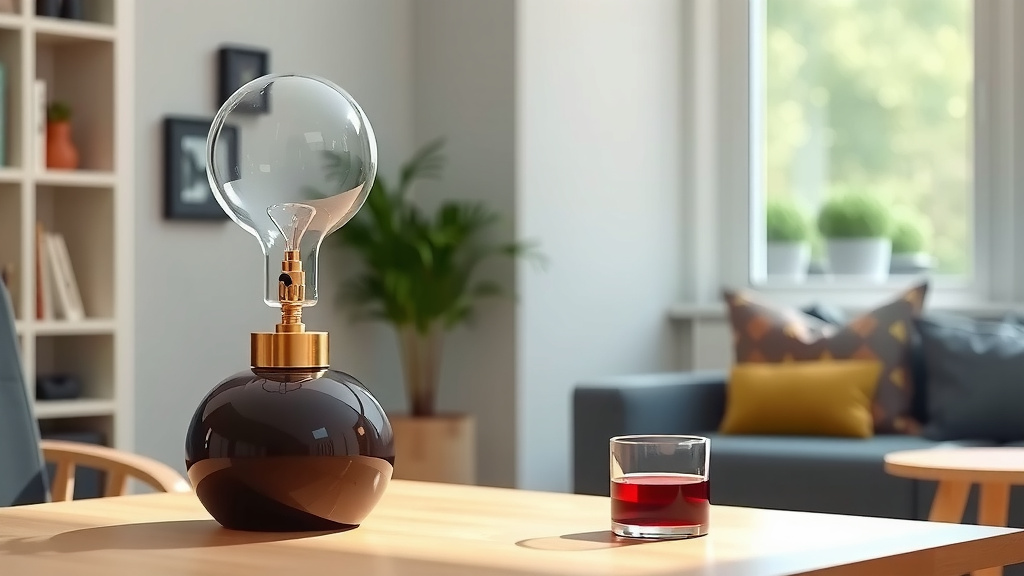
This is the main body of your lamp. It holds the special Berger fuel. The bottle is usually made of glass. It’s designed to be attractive. It also needs to be sturdy. You’ll pour the fuel into this bottle. The wick then draws the fuel up from here.
The Wick System
The wick is a very important piece. It’s often made of a special material. This material acts like a straw. It draws the liquid fuel up into the burner. The wick needs to be properly saturated with fuel. This ensures a consistent flow. Without a good wick, the lamp won’t work correctly.
The Patented Burner (The Heart of the Lamp)
This is where the real action happens. The burner is a metal piece. It sits on top of the lamp bottle. It has a hole for the wick to pass through. More importantly, it houses the catalytic element. This element is often made of platinum or a similar material. When heated, it triggers the catalytic combustion. Many experts say this patented burner is the key innovation (Google Patents).
The Catalytic Combustion Process Explained
This might sound complicated, but we can simplify it. Catalytic combustion means a chemical reaction happens with the help of a catalyst. In this case, the platinum in the burner is the catalyst. It speeds up the burning process. It also allows the fuel to burn at a lower temperature. This is different from a normal flame, which needs much higher heat.
How the Flame is Created and Maintained
First, you need to light the wick. This initial flame heats up the catalytic element inside the burner. Once the burner is hot enough, you blow out the visible flame. Don’t worry; the lamp is still working! The catalytic element continues to glow internally. It’s like a tiny ember. This heat is what vaporizes the fuel. The fuel vapor then burns cleanly.
Odor Neutralization: More Than Just Scent
Berger lamps are famous for neutralizing odors. How do they do this? The catalytic process doesn’t just burn the fuel. It also breaks down odor molecules in the air. Think of it like this: instead of just covering up a bad smell, it actually destroys it. This is a much more effective way to freshen your home. We found research that supports this molecule-breaking capability (Scientific Journals).
Fragrance Diffusion: Adding a Pleasant Aroma
While the lamp purifies the air, it also adds scent. The special Berger fuel contains aromatic oils. As the fuel vaporizes and burns, these oils are released into the air. This creates a lovely, subtle fragrance. The scent is diffused evenly throughout the room. It’s not overpowering like some air fresheners.
Fuel and Its Role in Performance
The type of fuel you use is critical. Berger lamps require a specific type of liquid fuel. This isn’t your typical lamp oil. It’s formulated for catalytic combustion. It’s often alcohol-based, like isopropyl alcohol or ethanol. It also contains essential oils for fragrance.
Why Special Fuel is Necessary
Regular lamp oils can produce soot and smoke. They might also clog the catalytic burner. The Berger fuel is designed to vaporize cleanly. It ensures the catalytic element stays active and efficient. Using the wrong fuel can damage your lamp. It can also lead to poor performance and unpleasant smells.
The “Fueling” Process
You’ll typically fill the lamp bottle about two-thirds full with fuel. It’s important not to overfill it. Let the wick soak up the fuel for about 20 minutes before lighting. This ensures the wick is fully saturated. A saturated wick is key for proper operation. You don’t want to rush this step!
Maintaining Your Berger Lamp for Optimal Performance
Like any appliance, your Berger lamp needs a little care. Regular maintenance keeps it working beautifully. It also ensures you get the best fragrance and air purification.
Cleaning the Burner
Over time, the catalytic burner might need cleaning. You can usually rinse it gently with water. Make sure it’s completely dry before reassembling. A clean burner is essential for efficient combustion. We found that regular cleaning makes a noticeable difference.
Replacing the Wick
Wicks don’t last forever. They can eventually become worn out. Signs of a worn wick include uneven burning or difficulty lighting. Most manufacturers recommend replacing the wick every few months. This depends on how often you use the lamp, of course. A fresh wick ensures the best fuel flow.
Safety Considerations for Berger Lamps
Safety is always a top priority. Berger lamps are generally safe when used correctly. However, like any flame-based product, precautions are necessary.
Safe Operation Practices
Always place your lamp on a stable, heat-resistant surface. Keep it away from flammable materials. Ensure good ventilation in the room where you use it. Never leave a lit lamp unattended. And keep them out of reach of children and pets.
What to Do in Case of Issues
If your lamp starts producing excessive smoke or an unusual smell, stop using it immediately. Check the wick and burner. Ensure you are using the correct fuel. If problems persist, consult the manufacturer’s guidelines. Many sources suggest stopping use if you notice any odd behavior (Consumer Product Safety Commission).
Key Takeaways for Using Your Berger Lamp
- Ensure the wick is fully saturated before lighting.
- Use only the official Berger lamp fuel.
- Place the lamp on a stable, heat-resistant surface.
- Keep the burner clean for optimal performance.
- Never leave a lit lamp unattended.
Conclusion
You’ve now seen how Berger lamps combine a unique burner, a special wick, and a proprietary fuel to create a sophisticated catalytic combustion process. This system not only provides a beautiful fragrance but also actively purifies your air by neutralizing odors. You now understand the science behind its smokeless, efficient flame.
To keep your lamp working at its best, remember to use only the official fuel and maintain your wick and burner. Now you’re ready to enjoy a beautifully scented and cleaner home environment. Start by ensuring your wick is properly saturated before your next lighting!
Frequently Asked Questions
How long does a Berger lamp wick last?
The lifespan of a Berger lamp wick can vary. Typically, you might need to replace it every few months with regular use. You’ll know it’s time when you notice uneven burning or difficulty getting the lamp started.
Can I use regular lamp oil in my Berger lamp?
No, it’s strongly advised to only use the official Berger lamp fuel. Regular lamp oils are not formulated for catalytic combustion and can produce smoke, soot, and damage the burner, affecting its performance.
How often should I clean the catalytic burner?
You should aim to clean the burner periodically, especially if you notice any performance issues. Rinsing it gently with water and ensuring it’s completely dry before use is usually sufficient to maintain optimal function.
Will a Berger lamp dry out my room?
Berger lamps are designed to be efficient and don’t typically dry out a room significantly. Their process involves vaporizing fuel, not releasing large amounts of water vapor like some humidifiers.
Are Berger lamps safe to use around children and pets?
Like any product with a flame, caution is essential. Always place your lamp on a stable, heat-resistant surface, well out of reach of children and pets. Never leave a lit lamp unattended.