Heat Lamp vs Heat Pad for Chicks: Safer?
When it comes to keeping your baby chicks warm, both heat lamps and heat pads can work. Research suggests that heat pads are generally considered safer than heat lamps. This is because heat pads offer a more consistent, gentle warmth from below, much like a mother hen. They also reduce the risk of fire and overheating that can come with lamp bulbs.
Choosing the right heating method is vital for chick survival. While heat lamps are common, they pose a significant fire hazard if they fall or overheat. Heat pads, on the other hand, provide a more natural and controlled heat source. We found that understanding these differences can help you create the safest brooding environment for your new flock.
TL;DR:
- Heat pads are generally safer than heat lamps for chicks.
- Heat pads offer gentle, consistent warmth from below.
- Heat lamps can pose a fire risk if they fall or overheat.
- Choosing the right heat source is key for chick well-being.
Let’s dive into the details of heat lamps versus heat pads to help you make the best decision for your little feathered friends.
You’ve got your adorable little chicks, and now comes the crucial part: keeping them toasty warm. It’s a bit like being a mama hen, but with a bit more wiring involved! You might be wondering about the best way to provide that vital heat. We’ve looked into it, and the consensus leans towards a more gentle approach for your feathery babies.
Chicks Need Warmth: Understanding Their Needs
Baby chicks can’t regulate their own body temperature. They rely on an external heat source to stay healthy and grow. Without enough warmth, they can become sluggish, prone to illness, and may not survive. Think of them like tiny, fluffy thermostats that need a little help to stay at their ideal setting.
Newborn chicks need a brooder temperature of around 95 degrees Fahrenheit. You’ll need to gradually decrease this temperature by about five degrees each week. This slow adjustment mimics how they would naturally wean off their mother’s warmth. It’s a delicate balance to get right.
Heat Lamps for Brooding: The Traditional Choice
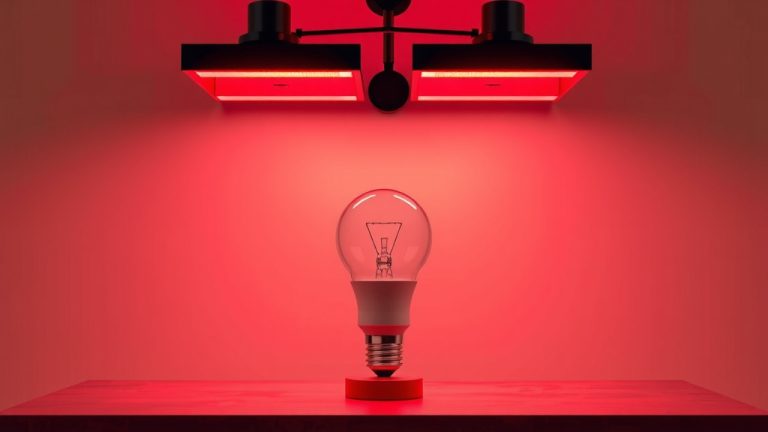
Heat lamps have been a go-to for chick brooding for a long time. They work by emitting heat from an overhead bulb, much like the sun. They can certainly do the job of warming a space.
How Heat Lamps Work
These lamps typically use a ceramic heat emitter or a standard incandescent bulb. The bulb gets hot, and the heat radiates downwards. Many models have a clamp to attach them to the side of the brooder or a stand. The idea is to create a warm zone for the chicks.
The Risks Associated with Heat Lamps
While effective, heat lamps come with some serious drawbacks. The biggest concern is fire. We found that these lamps get very hot, and if they fall into the bedding or too close to flammable materials, they can easily start a fire. This is a real danger for any brooding setup. Many experts strongly advise caution (National Fire Protection Association).
There’s also the risk of overheating your chicks. If the lamp is too close or the chicks can’t move away from the heat, they can become dehydrated and stressed. It’s like standing too close to a campfire; you can get burned. You have to constantly monitor the temperature and the chicks’ behavior.
We’ve also learned that the light from these bulbs can disrupt the chicks’ natural sleep cycles. They need periods of darkness to rest and grow properly. Constant light can be detrimental to their development.
Heat Pads for Brooding: The Gentle Alternative
Heat pads offer a different approach to warming your chicks. Instead of overhead radiant heat, they provide gentle warmth from below. This method is often seen as more natural and safer.
Understanding How Heat Pads Function
These pads are typically flat, durable mats that plug into an outlet. They warm up to a specific temperature, usually around 100-110 degrees Fahrenheit on the surface. Chicks can then move onto the pad when they are cold and move off when they are warm enough. It’s a self-regulating system for the chicks.
The Safety Benefits of Heat Pads
One of the primary advantages of heat pads is their inherent safety. Because they don’t have exposed bulbs or heating elements, the risk of fire is significantly reduced. They are designed to stay at a consistent, safe temperature. We found that this consistent, gentle heat is much more stable than the fluctuating heat from a lamp (University of Maryland Extension).
Heat pads also provide a more natural warmth. Mother hens often sit on their chicks, providing warmth from below. This is precisely what a heat pad does. It mimics that natural maternal heat source, which many believe is better for the chicks’ overall well-being.
Another plus is that heat pads don’t emit light. This allows chicks to experience natural day and night cycles, promoting better sleep and development. This can lead to happier, healthier chicks overall.
Potential Considerations with Heat Pads
While great, heat pads do have a couple of things to consider. First, ensure your chicks can easily access the warm area. If the pad is too high or has barriers, they might not be able to use it. You want them to be able to move on and off easily.
Also, you’ll still need to monitor your chicks to ensure they are using the pad correctly. Are they all huddled on it? Are some trying to get away? Their behavior is your best indicator. You might also need a supplemental heat source if the brooder is in a very cold environment, especially as they grow.
Comparing Heat Lamps and Heat Pads: A Quick Look
To help you visualize the differences, let’s break it down:
| Feature | Heat Lamp | Heat Pad |
|---|---|---|
| Heat Source | Overhead bulb (radiant & light) | Underneath surface (gentle & constant) |
| Fire Risk | High | Very Low |
| Overheating Risk | Moderate to High | Low (chicks regulate) |
| Light Emission | Yes (disrupts sleep) | No |
| Natural Mimicry | Less so | More so (mother hen style) |
| Installation | Requires secure mounting | Simply place in brooder |
Making the Right Choice for Your Flock’s Safety
When we look at the overall picture, safety often tips the scales. The reduced risk of fire and overheating makes heat pads a compelling choice for many backyard poultry keepers. They offer a more controlled and consistent environment for your young birds.
However, remember that the perfect setup often involves more than just a heat source. You’ll need a properly sized brooder, good ventilation, appropriate bedding, and clean food and water. These elements all work together to create a healthy environment.
Here’s a quick checklist to consider when setting up your brooder:
- Ensure your chosen heat source is secure and stable.
- Provide ample space for chicks to move away from the heat.
- Monitor chick behavior closely for signs of distress.
- Check temperatures regularly with a reliable thermometer.
- Factor in the room temperature where the brooder is located.
- Consider a backup heat source for emergencies.
Ultimately, the goal is to provide a safe, warm, and comfortable environment for your chicks. By understanding the pros and cons of each heating method, you can make an informed decision that prioritizes their health and well-being.
Conclusion
When it comes to safely warming your baby chicks, heat pads emerge as the clear winner. They offer a gentle, consistent warmth from below, much like a mother hen, and significantly reduce the fire risk associated with traditional heat lamps. While heat lamps can get the job done, their inherent dangers require constant vigilance. By choosing a heat pad, you’re opting for a more natural, worry-free brooding experience. Now that you know the safest way to provide warmth, go ahead and set up that cozy brooder for your new flock!
Frequently Asked Questions
Are heat pads completely safe for chicks?
Heat pads are considered much safer than heat lamps because they have a very low fire risk. They provide consistent, gentle warmth without exposed bulbs. However, you should still ensure chicks can move away from the pad if they get too warm and monitor their behavior.
Can chicks get too hot on a heat pad?
Chicks can regulate their own temperature with heat pads by moving on and off the warm surface. If you notice them panting or trying to get as far away from the pad as possible, the brooder might be too warm overall, or the pad may be the only heat source. Adjust the brooder setup if needed.
Do I need to check the temperature with a heat pad?
Yes, you should still monitor the temperature. While chicks can self-regulate, it’s good practice to check the surface temperature of the pad and the ambient temperature of the brooder. A thermometer is always a helpful tool for ensuring the ideal environment.
Can I use a heat pad in a very cold garage?
In extremely cold environments, a heat pad alone might not be enough. You may need to supplement with another heat source or ensure the brooder is in a more insulated space. Always observe your chicks’ behavior for signs that they are not getting enough warmth.
How long do chicks need a heat source?
Chicks typically need a supplemental heat source for the first 4 to 6 weeks of their lives. You’ll gradually lower the temperature each week, mimicking how they would wean off a mother hen’s warmth. Eventually, they will be able to regulate their own body temperature.
![10 Best Ceramic Lamps [2026]](https://bestdesklamp.com/wp-content/uploads/2026/08/10-best-ceramic-lamps-2026-featured-768x432.jpg)