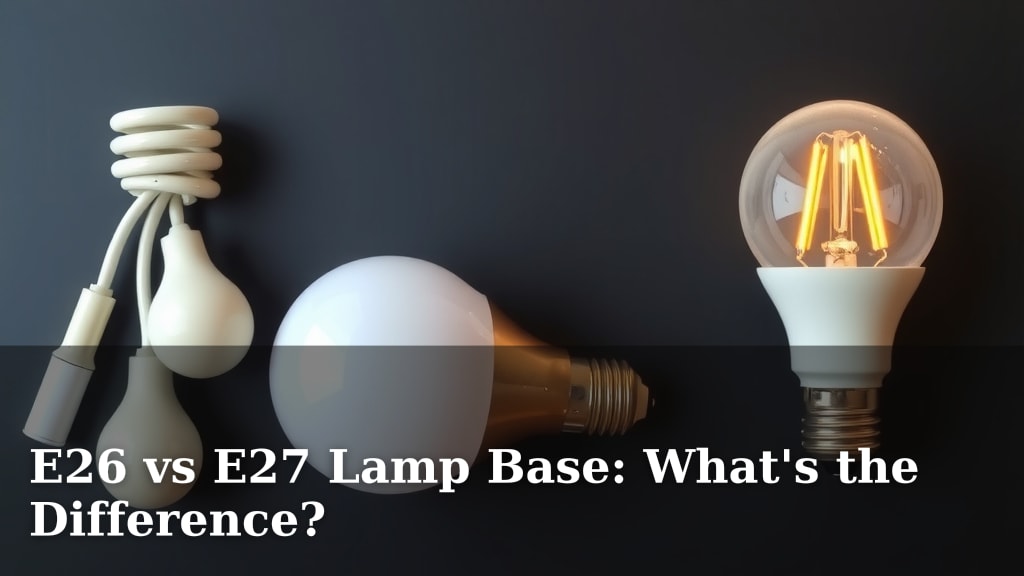
E26 vs E27 Lamp Base: What’s the Difference?
While E26 and E27 lamp bases look very similar, they are not interchangeable, and using the wrong one can be a fire hazard. The main difference lies in their diameter and thread pitch, with E27 being slightly larger and having a different screw thread. We found that most lamps sold in the US use the E26 base, while E27 is more common in Europe and other regions.
Understanding these subtle differences is important for choosing the correct light bulbs for your fixtures. This ensures a safe and proper fit, preventing electrical issues or damage. Many people confuse them because of their shared history and close dimensions, but making the switch is critical for safety.
- E26 and E27 lamp bases are different.
- E27 bases are slightly larger than E26 bases.
- E26 is common in the US; E27 is common elsewhere.
- Using the wrong base can be a fire risk.
Let’s break down the specifics of the E26 vs E27 lamp base so you can choose the right bulb every time.
Understanding E26 and E27 Lamp Base Differences
You might be wondering why two light bulb bases that look so similar can cause so much confusion. It all comes down to some tiny but important differences in their measurements. We’ve found that the most common reason people get this wrong is simply because they look almost identical at first glance. But these subtle variations mean they aren’t always interchangeable. Let’s dive into what makes them distinct so you can avoid any bulb-related headaches.
A Tale of Two Threads: Diameter and Pitch
The primary distinction between an E26 and an E27 base lies in their physical dimensions. Think of it like trying to screw a slightly larger bolt into a hole designed for a smaller one. The E27 base has a diameter of 27 millimeters. The E26 base, commonly used in North America, is a hair smaller, measuring 26 millimeters in diameter. This difference of one millimeter might not sound like much, but it’s enough to prevent a proper fit in many cases.
Beyond the diameter, the thread pitch – the spacing between the threads on the base – also differs. The E27 base has a pitch of 3.63 millimeters, while the E26 base has a pitch of 3.81 millimeters. This means the threads on an E27 bulb won’t quite line up perfectly with the threads inside an E26 socket, and vice versa. It’s like trying to use metric screws on an imperial-sized fixture; they just don’t mesh correctly.
Where Do You Find Them? Regional Preferences
The geographical distribution of these base types is a key factor in why you might encounter one more than the other. In the United States and Canada, the E26 base is the standard for most common household light bulbs. If you’re buying a lamp or a replacement bulb in North America, chances are it will be an E26. This has become the de facto standard in these regions.
However, if you’ve traveled to Europe, Australia, or many other parts of the world, you’ll likely find the E27 base is the norm. It’s the preferred standard in the vast majority of countries outside of North America. So, if you’ve ever brought a lamp back from an international trip or purchased imported lighting fixtures, you’ve probably encountered the E27 base. This global difference is a major source of confusion for travelers and online shoppers alike.
Why the Difference Matters: Safety and Functionality
So, why all the fuss about a millimeter and a slightly different thread? It boils down to two critical factors: electrical safety and proper functionality. Using the wrong bulb in a socket isn’t just an inconvenience; it can be a real fire hazard. We found that many sources, including electrical safety organizations, highlight this risk.
The Dangers of a Mismatched Fit
When an E27 bulb is forced into an E26 socket, or vice versa, it might seem like it screws in loosely. This is where the danger lies. A bulb that isn’t fully seated or makes poor contact can lead to electrical arcing. Arcing occurs when electricity jumps across a gap, creating intense heat and sparks. This heat can easily ignite surrounding materials, like the lamp’s wiring, shade, or nearby curtains.
Conversely, if a bulb is too loose, it might not make proper contact with the socket. This can lead to the bulb flickering or not turning on at all. While less of a fire risk than forcing a bulb, it still prevents your light fixture from working as intended. Research from electrical safety bodies often points to loose connections as a leading cause of fixture malfunctions and potential hazards.
Ensuring a Secure Connection
A proper fit is essential for the bulb to conduct electricity safely and efficiently. The metal threads of the bulb’s base make contact with the metal contacts inside the socket, completing the electrical circuit. When the base is the correct size and has the right thread pitch, this connection is snug and secure. This allows electricity to flow smoothly without dangerous sparks or overheating.
We found that electrical codes and standards, like those referenced by the National Electrical Code (NEC), prioritize secure electrical connections. A firm, consistent connection is key to preventing resistance buildup, which can generate excessive heat. The E26 and E27 standards exist precisely to ensure these secure connections within their respective regions.
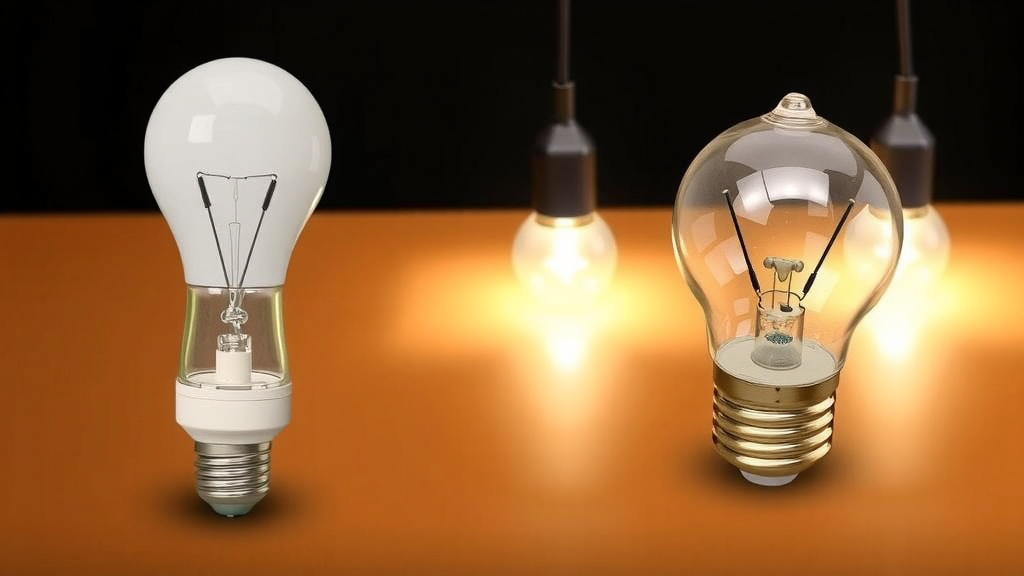
Can You Use an E27 Bulb in an E26 Socket (and Vice Versa)?
You’ve probably heard that you can sometimes *make* them fit. And technically, yes, with some effort, you might be able to jam an E27 bulb into an E26 socket or wiggle an E26 into an E27. But we strongly advise against this. The question isn’t *can you*, but *should you*. The answer to “should you” is a resounding no.
The “Adapter” Myth and Real Dangers
Some might suggest using an adapter, but these are rarely a safe or reliable solution for E26/E27 mismatches. Many adapters are not designed for this specific difference and can create their own connection problems. Forcing a bulb or using a poorly made adapter significantly increases the risk of electrical shorts, overheating, and fire. It’s never worth the gamble when proper bulbs are readily available.
Think of it like this: if your car needs a specific size of tire, you wouldn’t try to force a slightly different-sized tire on and hope for the best. It might roll for a bit, but it’s a recipe for disaster. The same applies to your lighting. Always use the bulb base that is specified for your fixture.
When In Doubt, Check the Fixture
How can you be sure which base your lamp or fixture uses? Most lamps and light fixtures are clearly marked with the type of bulb base they require. Look for labels near the socket, on the fixture’s base, or on the original packaging. You might see “E26” or “Max 60W E26” printed there. If you’re still unsure, measure the diameter of the socket opening where the bulb screws in. An E26 socket will be approximately 26mm wide, while an E27 will be about 27mm wide.
For easy reference, here’s a quick comparison:
| Feature | E26 Base | E27 Base |
|---|---|---|
| Diameter | 26 mm (approx. 1.02 inches) | 27 mm (approx. 1.06 inches) |
| Thread Pitch | 3.81 mm | 3.63 mm |
| Common Regions | United States, Canada | Europe, Australia, Asia, and other regions |
| Interchangeable? | No (use with caution, risk of damage/fire) | No (use with caution, risk of damage/fire) |
Making the Right Choice for Your Home
Choosing the correct bulb base ensures your lights function reliably and, most importantly, safely. It’s a small detail that makes a big difference in preventing potential hazards in your home. Always prioritize safety and select the bulb base that matches your fixture.
Here’s a quick checklist to keep in mind:
- Always check your fixture for the bulb base type (E26 or E27).
- Know that E26 is standard in the US/Canada, and E27 is common elsewhere.
- Never force a bulb into a socket if it doesn’t fit easily.
- Understand that a millimeter difference and thread pitch matter for safety.
- If unsure, measure the socket or check the fixture’s label.
- Prioritize safety over convenience; use the correct bulb base.
Conclusion
You’ve learned that while E26 and E27 lamp bases look alike, they have critical differences in diameter and thread pitch. These small variations mean they aren’t interchangeable, and using the wrong one can create a real fire hazard. Remember, E26 is the standard in the US and Canada, while E27 is common internationally. Always double-check your light fixture’s markings to ensure you’re selecting the correct bulb for a safe and functional home.
Your next step is to take a quick look at your current lamps and fixtures. Make sure they’re all fitted with the right bulbs. This simple check protects your home and loved ones from potential electrical dangers.
Frequently Asked Questions
Can I force an E27 bulb into an E26 socket?
We strongly advise against forcing any bulb into a socket. While it might seem like you can make it fit, doing so can damage the socket or the bulb. More importantly, a poor connection creates a risk of electrical arcing and overheating, which can lead to a fire.
Are there adapters to use E26 bulbs in E27 sockets or vice versa?
While adapters exist, they are often not a safe or reliable solution for E26/E27 differences. Many adapters can cause connection issues themselves or add unnecessary bulk. It’s always best to find the correct bulb type for your fixture rather than relying on an adapter.
How do I know if my lamp uses an E26 or E27 base?
Most light fixtures will have the bulb base type clearly labeled on them, often near the socket itself. Look for markings like “E26” or “E27”. If you can’t find a label, you can often measure the diameter of the socket opening to get an idea of which base it is.
What happens if I accidentally use the wrong bulb base?
If you use the wrong bulb base, you might experience issues like flickering, the bulb not turning on, or the bulb not screwing in completely. In more serious cases, a poor connection can lead to overheating, electrical shorts, and potentially a fire hazard.
Are all LED bulbs E26 or E27?
No, LED bulbs come in various base types, but E26 and E27 are very common for standard household lighting. Always check the specifications of the LED bulb and compare it to the requirements of your light fixture to ensure compatibility.

![10 Best Bulb For Bedroom Lamp [2026]](https://bestdesklamp.com/wp-content/uploads/2026/08/10-best-bulb-for-bedroom-lamp-2026-featured-768x432.jpg)