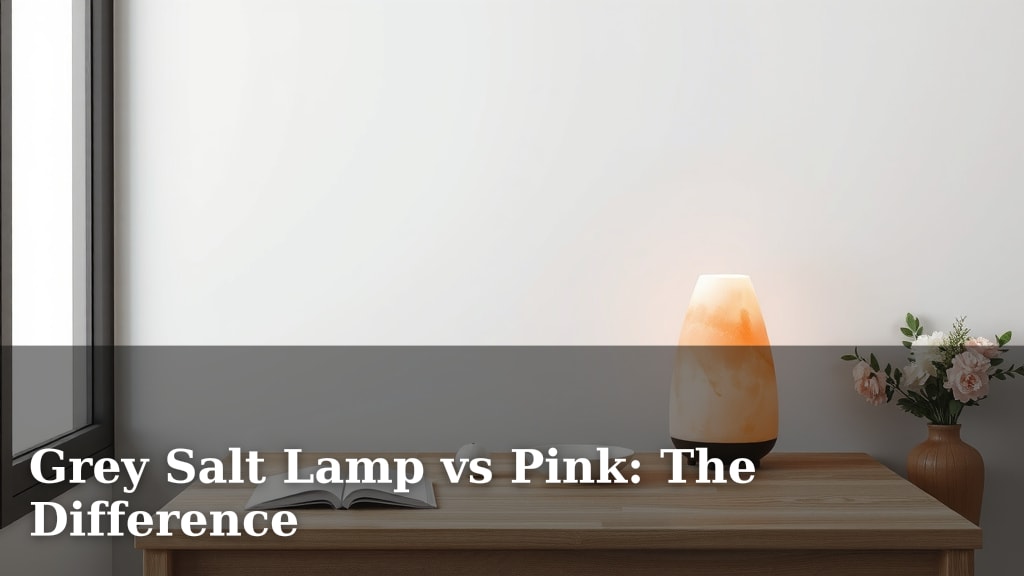
Grey Salt Lamp vs Pink: The Difference
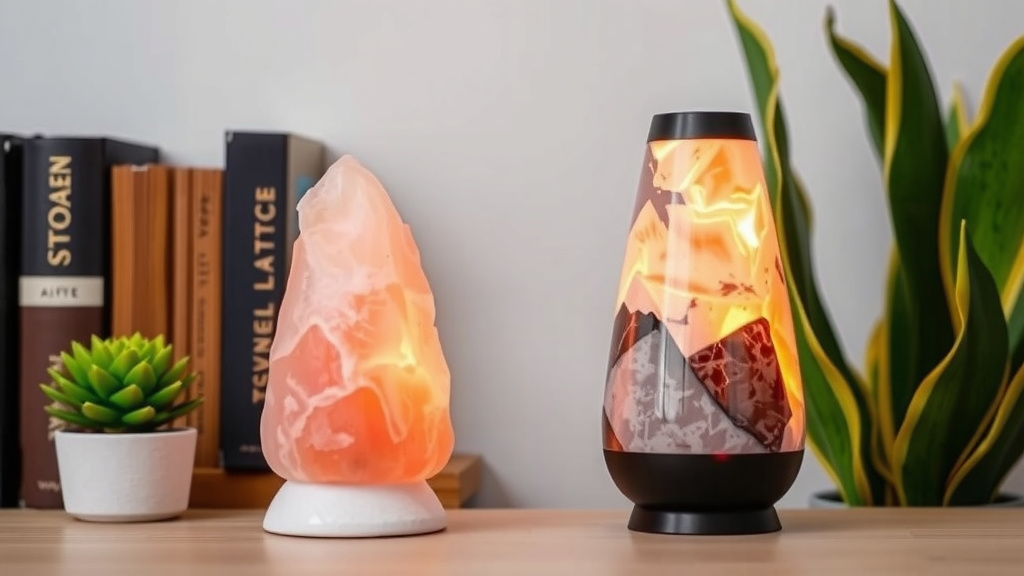
When choosing between a grey salt lamp and a pink salt lamp, the main difference lies in their mineral content and subtle hue, with both offering similar benefits. Pink salt lamps, like those from the Himalayas, get their distinctive color from iron oxide. Grey salt lamps, often derived from the same mineral deposits, have a more muted, sometimes almost translucent, appearance due to a slightly different mineral composition.
Both types of salt lamps are thought to draw moisture from the air and release negative ions when heated, which some believe can improve air quality and promote relaxation. While the color might subtly influence the mood, the core therapeutic potential is largely the same. Many people find the aesthetic of one over the other simply a matter of personal preference for their home decor.
- Color Source: Pink gets its hue from iron, while grey has a lighter, less saturated mineral blend.
- Ion Release: Both types are believed to release negative ions when heated.
- Air Quality: Some users report improved air quality from both.
- Mood: Color may slightly affect ambiance, but core benefits are similar.
- Aesthetics: Your choice depends on your personal decorating style.
Let’s break down what makes each of these natural wonders unique and what you can expect from them.
“`htmlComparing Grey and Pink Salt Lamps: What’s the Real Difference?
So, you’re curious about those glowing salt lamps, but which color is right for you? You’ve seen the pretty pink ones, but maybe you’re wondering about the more subdued grey salt lamps. Let’s break down what sets them apart and what you can expect. The primary difference between grey and pink salt lamps comes down to their mineral content, which affects their color and, to a lesser extent, their appearance. But don’t worry, the core idea behind these lamps remains the same.
Both colors often come from the same mineral-rich deposits, typically found in regions like the Khewra Salt Mine in Pakistan. The subtle variation in minerals leads to the different hues you see. We’ll dive into how these differences might influence your choice.
Understanding the Color: Pink vs. Grey Hues
The striking pink color of Himalayan salt lamps is probably what most people picture. But what gives it that lovely rosy glow? It’s all thanks to iron oxide, a common mineral that’s also responsible for the red color in rust.
The Pink Hue: A Touch of Iron
When you see a salt lamp with a vibrant pink or reddish-orange hue, it means it has a good amount of iron oxide within its crystalline structure. The higher the concentration of iron oxide, the deeper and richer the pink color will be. Think of it like adding a bit of paprika to your dish – it adds color and depth!
This natural coloring is what makes many pink salt lamps so appealing. They offer a warm, inviting light that can really change the atmosphere of a room. We found that the intensity of the pink can vary quite a bit from lamp to lamp.
The Grey Shade: A Muted Mineral Blend
Grey salt lamps, on the other hand, present a more understated beauty. Their color can range from a light, almost translucent white-grey to a deeper charcoal. This softer appearance comes from a different blend of minerals within the salt. It means there might be slightly less iron oxide present, or other trace minerals are more dominant.
Some grey lamps might have a more crystalline, translucent quality. This can make the light shine through in a unique way. If you prefer a more neutral or modern aesthetic, a grey salt lamp might be your perfect match. We found that these lamps often offer a very calming, diffused light.
The Core Benefits: What Do Salt Lamps Actually Do?
Regardless of whether your salt lamp is pink or grey, the generally accepted benefits are believed to be quite similar. The science behind salt lamps often revolves around their interaction with the air around them, especially when heated by a bulb.
The Negative Ion Theory
The most talked-about benefit is the idea that salt lamps release negative ions into the air. When the lamp is heated, it’s thought to attract water vapor from the surrounding air. As this moisture evaporates from the salt’s surface, it supposedly carries away positively charged ions, leaving behind negatively charged ones. Many sources suggest these negative ions can help neutralize pollutants in the air.
Think of it like a tiny, natural air purifier. While the exact scientific mechanisms are still debated, the theory is that these negative ions can make the air feel fresher and cleaner. We found that while research is ongoing, many users report a positive impact on their environment.
Potential for Improved Air Quality
The attraction of moisture to the salt lamp’s surface might also play a role in air quality. This process is sometimes referred to as hygroscopy. The idea is that airborne particles like dust, pollen, and even some bacteria can get trapped in the moisture that condenses on the lamp. As the water evaporates, these particles might be left behind on the salt.
This effect could contribute to a feeling of cleaner air. It’s important to remember that salt lamps are not a replacement for proper ventilation or air purifiers. However, for some people, they offer a supplemental way to enhance their home environment. Guidelines from health organizations like the EPA often point to source control and ventilation as primary methods for improving air quality.
Creating a Relaxing Ambiance
Beyond the ion theory, let’s talk about the sheer mood-boosting power of light. Both pink and grey salt lamps emit a soft, warm glow. This gentle illumination can be incredibly soothing, helping to create a more relaxing atmosphere in your home.
When you dim your overhead lights and turn on a salt lamp, it can instantly make a space feel cozier and more tranquil. This is particularly beneficial in bedrooms, living rooms, or any area where you want to unwind after a long day. The color of the light can subtly influence your mood, too. Pink is often associated with warmth and comfort, while grey can feel very serene and grounding.
Choosing Your Salt Lamp: Aesthetics and Personal Preference
Ultimately, the biggest difference you’ll notice between a grey and a pink salt lamp is how they look in your home. Your personal style and the existing decor of your space should be the main drivers of your decision.
What Does Your Style Say?
If you love a warm, inviting, and perhaps slightly bohemian look, a vibrant pink salt lamp might be perfect for you. It adds a pop of natural color and a cozy feel. These lamps look fantastic on a bedside table or as a decorative piece in a living area.
On the other hand, if your home features a more modern, minimalist, or neutral color palette, a grey salt lamp could be a better fit. Its subdued elegance can blend beautifully with contemporary designs. It offers that soft glow without overpowering your existing decor. We’ve found that people often choose based on what complements their furniture and wall colors.
The Light Quality Difference
While both types provide a diffused light, the intensity and shade can vary. A darker pink lamp might cast a warmer, more saturated glow, while a lighter pink or a translucent grey lamp might emit a softer, more diffused light. Consider the effect you want to achieve in the room.
Do you want a lamp that’s a statement piece, or something more subtle that blends into the background? Think about where you plan to place it and the kind of mood you want to create. You might even consider having one of each for different rooms!
Quick Checklist for Your Salt Lamp Decision
Still on the fence? Here’s a quick rundown to help you decide:
- Consider your room’s decor: Does pink or grey better match your style?
- Think about the mood you want: Warm and cozy, or serene and subtle?
- Look at the light output: Do you prefer a more saturated or diffused glow?
- Check mineral content (if possible): More iron oxide usually means deeper pink.
- Don’t overthink it! Both offer similar potential benefits.
- Trust your gut: Which one calls to you more?
Whether you lean towards the rosy warmth of pink or the calming neutrality of grey, a salt lamp can be a lovely addition to your home. It’s a piece of natural art that also happens to bring a gentle light and a sense of tranquility.
“`Conclusion
So, you’ve learned that the difference between grey and pink salt lamps really comes down to their mineral makeup and the resulting color. Pink lamps get their beautiful hue from iron oxide, while grey lamps have a more subtle shade due to a different mineral blend. Both are believed to offer similar benefits, like creating a relaxing ambiance and potentially improving air quality through negative ion release. Ultimately, your choice between a grey and pink salt lamp is a personal one, guided by your home’s decor and the mood you wish to create. Trust your style and pick the one that feels most welcoming to you!
Frequently Asked Questions
Are grey salt lamps less effective than pink ones?
No, grey salt lamps are not necessarily less effective. While the color difference is due to mineral variations, the core mechanisms believed to provide benefits, like negative ion release and ambiance creation, are present in both. Your preference for grey just means you enjoy a more subdued aesthetic.
Can a salt lamp really purify my air?
Salt lamps are thought to attract moisture and airborne particles, but they are not a replacement for proper ventilation or certified air purifiers. Think of them as a gentle supplement to your air quality efforts rather than a primary solution.
Does the color of the salt lamp affect the mood it creates?
Yes, the color can subtly influence the mood. Pink salt lamps often emit a warmer, cozier glow associated with comfort. Grey salt lamps tend to provide a more serene and grounding light, fitting well into minimalist or neutral decor styles.
How do I know if my salt lamp is real Himalayan salt?
Genuine Himalayan salt lamps are typically carved from natural rock salt, often with slight imperfections. If a lamp is perfectly uniform, unnaturally bright, or feels like plastic, it might not be authentic. Look for lamps that have a natural, earthy appearance.
Where is the best place to put a salt lamp in my home?
You can place a salt lamp in any room where you want to create a relaxing atmosphere. Popular spots include bedrooms, living rooms, offices, or even hallways. Consider where you spend most of your time and where a soft, ambient light would be most beneficial.


![10 Best Buy Sad Lamp [2026]](https://bestdesklamp.com/wp-content/uploads/2026/08/10-best-buy-sad-lamp-2026-featured-768x432.jpg)