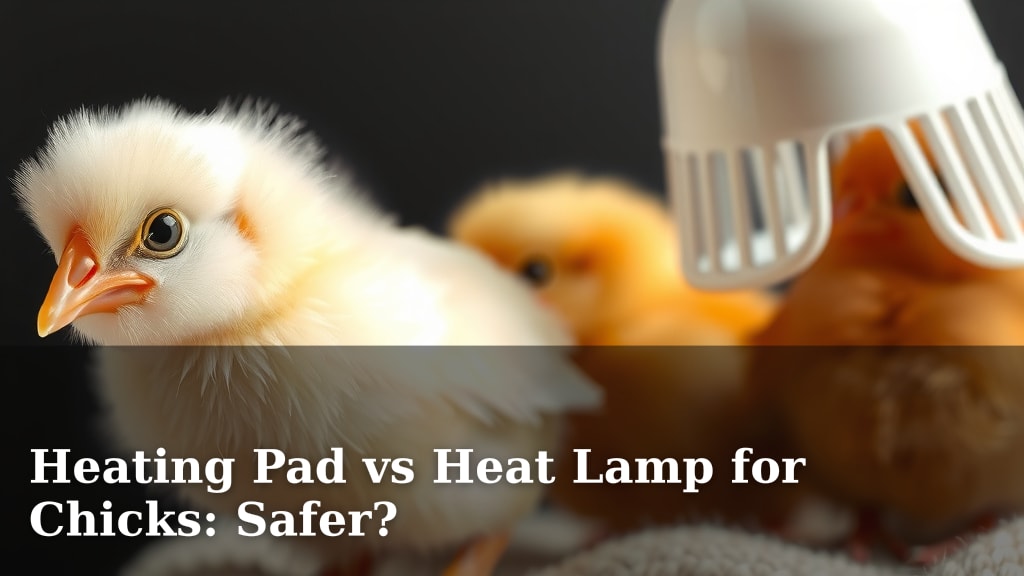
Heating Pad vs Heat Lamp for Chicks: Safer?
For new chicks, a heating pad can be a safer choice than a heat lamp. While both provide warmth, heating pads offer a more consistent and less risky heat source. Heat lamps, while effective, pose a higher risk of overheating or fire if not monitored carefully.
Choosing the right heating method is vital for your chicks’ survival. You want to provide a cozy environment without creating a hazard. We’ve looked into the options to help you make the best decision for your feathered friends. Understanding the differences will give you peace of mind.
- Heating pads offer more even warmth.
- Heat lamps can be a fire hazard.
- Chicks need a stable temperature.
- Monitoring is key for both options.
- Consider your setup and comfort level.
Let’s break down the pros and cons of each to help you decide which is best for your tiny flock.
Choosing the Right Heat Source for Your Chicks: Pads or Lamps?
When it comes to keeping your baby chicks toasty warm, you have a couple of main options: a heating pad or a heat lamp. Both can do the job, but they come with very different sets of pros and cons. Your goal is to create a safe, comfortable environment that mimics a mother hen. Research shows that a stable temperature is absolutely essential for chick survival and healthy growth (Poultry Science Association).
Understanding the Heat Pad Option
Heating pads designed for chicks are often called “brooder plates” or “mother hens.” They are flat panels that sit on the floor of the brooder. Chicks can snuggle underneath them, just like they would under a real hen. We found that the heat from these pads is usually gentle and consistent. It’s more like radiant heat from the ground up.
How Heating Pads Work
These pads typically have a thermostat built in. This helps maintain a steady temperature. You adjust the height of the pad to regulate how warm it gets for your chicks. If they need more warmth, you lower it. If they seem too hot, you raise it. This simple adjustment makes it easy to adapt to their needs.
Safety Benefits of Heating Pads
One of the biggest advantages of a heating pad is the reduced fire risk. Unlike heat lamps, there are no exposed bulbs that can overheat or fall. This greatly lowers the chance of anything catching fire in your brooder setup. You don’t have to worry about bedding igniting. Many poultry experts agree that this is a significant safety upgrade (Extension Poultry Resources).
Consistency and Comfort
The warmth from a heating pad is spread out evenly across the panel. This means your chicks can move around to find the perfect spot. They can get closer if they’re chilly or move away if they’re too warm. This is much more natural than the focused heat from a lamp. Chicks that are consistently warm are generally happier and healthier.
Exploring the Heat Lamp Method
Heat lamps have been the traditional choice for many backyard chicken keepers for a long time. They use an incandescent bulb to produce a concentrated beam of heat. This method works well, but it does require careful attention to safety and temperature regulation.
How Heat Lamps Function
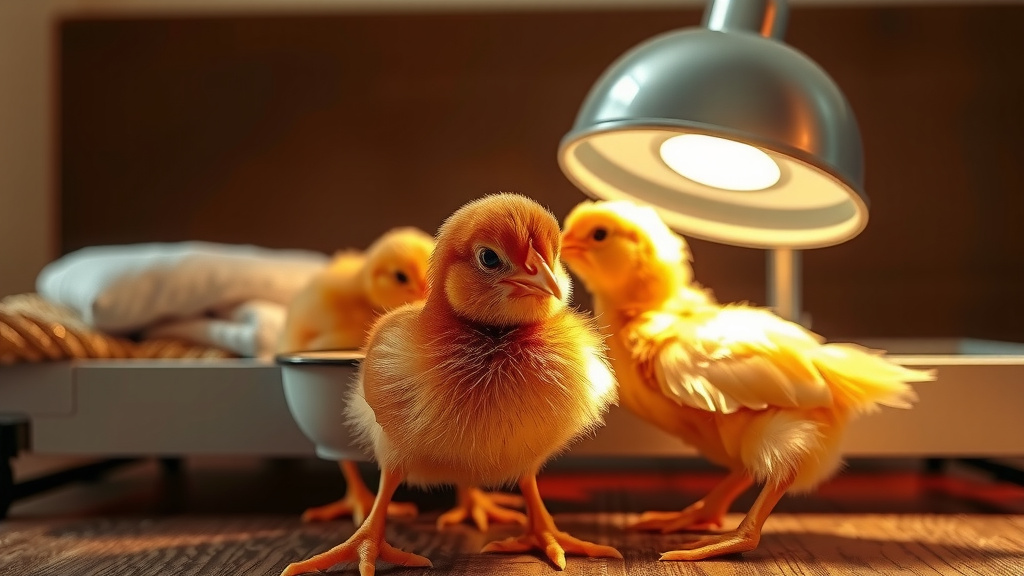
Heat lamps emit infrared heat from a bulb. This heat is directed downwards. You suspend the lamp over the brooder area. The closer the lamp, the hotter the area directly beneath it. You’ll need to adjust the height frequently as the chicks grow or as the ambient room temperature changes.
The Risks Associated with Heat Lamps
The primary concern with heat lamps is their potential to cause fires. The bulbs get very hot. If the lamp falls, or if flammable bedding comes into contact with the bulb, it can easily ignite. We found that many incidents involving chick brooders are linked to improper use or placement of heat lamps (Fire Safety Experts).
Overheating is another common issue. Chicks can’t easily escape the intense heat beam. If the lamp is too close or too powerful, chicks can become dehydrated or even suffer heatstroke. You have to be very diligent about checking their behavior and the temperature.
Temperature Fluctuations
Heat lamps can create hot and cold spots in the brooder. The area directly under the lamp is very warm, but areas further away might be too cool. This can cause chicks to crowd together, potentially leading to smothering or uneven growth. Managing these temperature differences requires constant monitoring.
| Feature | Heating Pad | Heat Lamp |
|---|---|---|
| Heat Type | Radiant, even warmth | Direct, focused heat |
| Fire Risk | Very low | Moderate to High |
| Temperature Control | Adjustable height, thermostat | Bulb wattage, adjustable height |
| Chick Comfort | Can choose their preferred spot | Can overheat or get too cool |
| Ease of Use | Simple setup, less frequent adjustment | Requires constant monitoring and adjustment |
Making the Safer Choice for Your Flock
Considering the potential dangers, a heating pad often emerges as the safer and more reliable option for new chicks. While heat lamps have been used for decades, the inherent risks are something to acknowledge. Heating pads offer a more controlled and less volatile heat source, which is ideal for those first few weeks of a chick’s life.
Peace of Mind for You
When you’re already juggling the demands of new chicks, you want to eliminate unnecessary worries. A heating pad significantly reduces the anxiety about fire hazards. This allows you to focus more on observing your chicks’ health and development. It’s a choice that provides greater peace of mind.
When Heat Lamps Might Still Be Considered
Now, this doesn’t mean heat lamps are entirely off the table for everyone. Some very experienced keepers have elaborate safety setups for their heat lamps. They might use heavy-duty guards and place them where they absolutely cannot fall. They also have backup thermometers and are constantly vigilant. If you choose this route, extreme caution is absolutely necessary.
However, for most new or intermediate chicken keepers, the simpler, safer path is usually the best. Research into poultry brooding practices often highlights the benefits of consistent, gentle heat. This is precisely what a good chick heating pad provides.
Your Chick Brooding Checklist
To ensure your chicks are warm and safe, here’s a quick checklist:
- Choose your heat source: Heating pad recommended for safety.
- Set up the brooder: Ensure it’s draft-free and adequately sized.
- Monitor temperature: Use a thermometer, aim for 95°F initially.
- Observe chick behavior: Are they huddled, spread out, or chirping excessively?
- Adjust heat as needed: Lower or raise the pad/lamp as they grow or conditions change.
- Keep bedding clean and dry: This is vital for health regardless of heat source.
Conclusion
You’ve learned that while both heating pads and heat lamps can warm your chicks, heating pads generally offer a safer solution. They provide consistent, gentle heat with a much lower fire risk. Heat lamps, though traditional, require constant vigilance to prevent overheating or potential fires. For peace of mind and a more stable environment for your new flock, a heating pad is often the best choice for most chick keepers. Make the safe decision today by choosing a heating pad for your brooder setup.
Frequently Asked Questions
Can chicks get too hot under a heating pad?
Yes, chicks can get too hot if the heating pad is too low or set too high. You should always monitor your chicks’ behavior and adjust the pad’s height. If they are constantly trying to get away from the heat, it’s likely too warm.
How do I know if my chicks are warm enough with a heating pad?
Observe your chicks! If they are spread out comfortably and peeping normally, they are likely at the right temperature. If they are huddled tightly together under the pad, they may be too cold. If they are panting and spread far apart, they are too hot.
Are heating pads energy efficient?
Heating pads are generally more energy efficient than heat lamps. They use less wattage and provide more targeted warmth, meaning they don’t waste as much energy heating the entire brooder space.
Can I use a regular household heating pad for chicks?
It is strongly recommended to use a heating pad specifically designed for chicks, often called a brooder plate. These are designed with safety features and temperature control suitable for young birds, unlike standard household pads which can overheat and pose a fire risk.
What happens if my chicks get too cold during the first week?
If chicks get too cold, especially in the first week, their immune systems are compromised, and they can become weak and lethargic. This can lead to spraddle leg or even death. Consistent warmth is critical for their development and survival.

![10 Best Deals On Table Lamps [2026]](https://bestdesklamp.com/wp-content/uploads/2026/09/10-best-deals-on-table-lamps-2026-featured-768x432.jpg)