How Do Arabian Lamps Work? Complete Guide
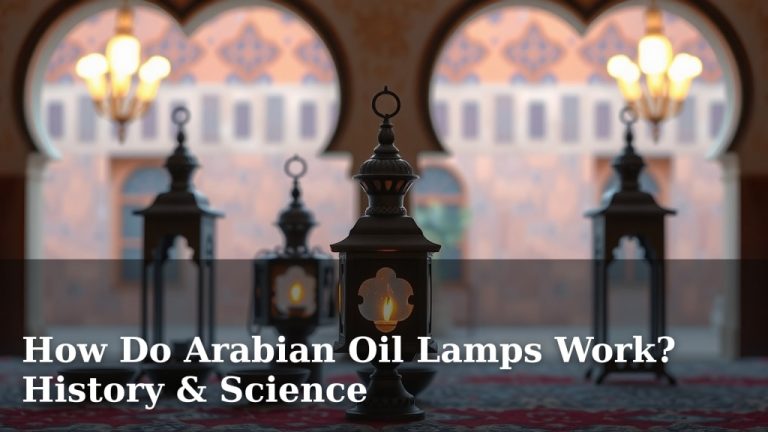
Arabian lamps work by using a wick soaked in oil or kerosene to create a flame, much like traditional oil lamps. The beautiful, decorative designs you see are primarily for aesthetics and directing the light. Many people find the warm glow of an Arabian lamp to be incredibly inviting and a wonderful addition to their home decor. They are a simple, yet elegant, way to add ambiance.
The core function relies on the capillary action of the wick, drawing fuel upwards to the flame. While the materials and craftsmanship can vary greatly, the basic principle remains the same. You might be surprised by how little has changed in their fundamental design over centuries. These lamps often feature ornate metalwork and colored glass.
- Arabian lamps use a wick and fuel (oil/kerosene) for light.
- The decorative elements are for looks and light diffusion.
- Capillary action draws fuel up the wick to the flame.
- Their basic design is ancient and very effective.
Ready to learn more about the magic behind these beautiful lights? Let’s walk through exactly how they create that enchanting atmosphere you’ve been wanting.
Understanding the Mechanics of Arabian Lamps
Arabian lamps produce light using a simple yet ingenious method. They rely on a wick that draws fuel upwards. This fuel then ignites, creating a steady flame. The enchanting designs you often see are mostly for decoration. They also help shape and diffuse the light beautifully. It’s a fascinating blend of art and basic physics.
The Role of the Wick and Fuel
At the heart of every Arabian lamp is its wick. This is usually made of cotton or a similar absorbent material. The wick’s job is critical. It acts like a tiny straw, soaking up the liquid fuel from the reservoir below. Think of it as the lamp’s lifeline to the light source.
Capillary Action: The Silent Worker
Have you ever seen a wet paper towel wick water upwards? That’s capillary action at work. The same force fuels your Arabian lamp. The narrow spaces within the wick fibers pull the fuel up against gravity. This process continues as long as there’s fuel in the reservoir and the wick is submerged. Many experts highlight capillary action as a fundamental principle in fluid dynamics (NCBI).
Choosing the Right Fuel
Traditionally, these lamps used animal fats or vegetable oils. Today, kerosene is a common choice for many. Some modern decorative lamps might use lamp oil, which is often a refined mineral oil. It’s important to use the correct fuel for your specific lamp. Using the wrong fuel can affect the flame quality or even damage the lamp. Always check your lamp’s manual or consult with a specialist.
The Decorative Elements and Their Purpose
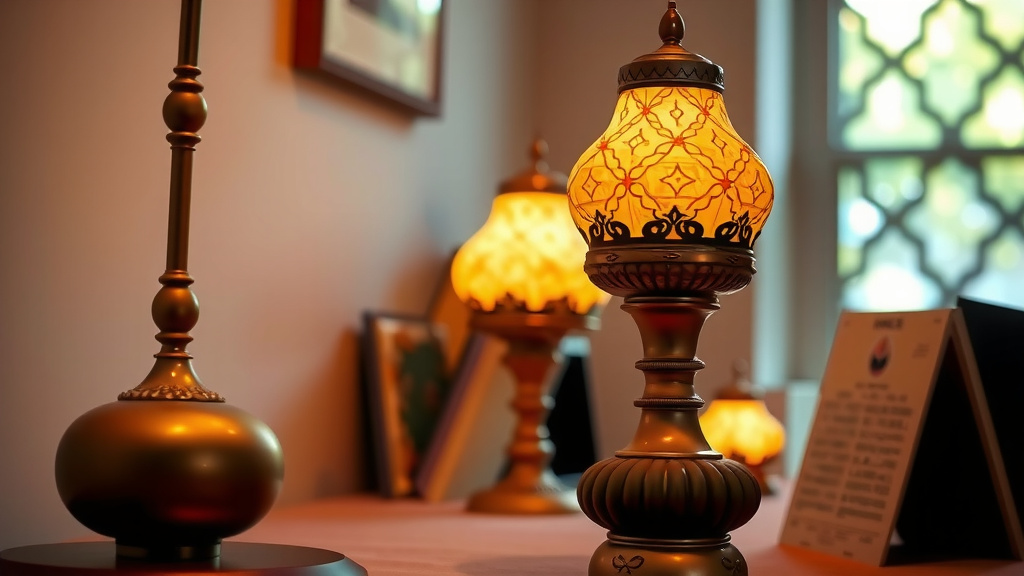
While the mechanics are simple, the artistry of Arabian lamps is remarkable. The ornate metalwork and colored glass are not just for show. They serve practical purposes too. These designs can influence how the light is cast and perceived.
Metalwork: Beauty and Function
The intricate metalwork you see often surrounds the glass. It can feature geometric patterns, floral motifs, or Arabic calligraphy. This metalwork can help protect the glass. It also adds structural integrity to the lamp. Some metal elements are designed to direct light. They can create interesting shadows or focus the beam.
Colored Glass: Crafting Ambiance
Many Arabian lamps feature panels or globes of colored glass. Red, blue, green, and amber are popular choices. These colors are not just for aesthetics. They filter the light, transforming a plain flame into a soft, warm glow. This color diffusion creates a cozy and inviting atmosphere. It can make a room feel more tranquil and intimate.
Putting It All Together: The Lamp in Action
Now, let’s see how all these parts work together. Imagine filling the reservoir with your chosen fuel. Then, you’ll insert the wick, making sure one end is submerged in the fuel. The other end sticks out slightly. After allowing the wick to soak for a few minutes, you trim the exposed end. Then, you light the wick.
The Simple Lighting Process
Once lit, the flame begins to consume the fuel at the wick’s tip. Capillary action continuously replenishes the fuel. This ensures a steady burn. The metal and glass components then do their magic. They shape, color, and spread the light. You’re left with a beautiful, warm illumination. It’s a very direct way to create light.
Maintenance for Optimal Performance
To keep your Arabian lamp working beautifully, a little maintenance goes a long way. Regular cleaning is key. You’ll want to wipe down the metal parts. Clean the glass gently to remove soot or dust. It’s also a good idea to check the wick periodically. Trimming a frayed wick can help ensure a cleaner, steadier flame. Replacing the wick when it becomes too short or worn is also important.
Here’s a quick rundown of what you’ll need to do:
- Fill the reservoir with the correct fuel.
- Ensure the wick is properly submerged.
- Allow the wick to soak before lighting.
- Trim the wick for a clean burn.
- Clean glass and metal components regularly.
- Replace the wick as needed.
Safety First When Using Your Lamp
While Arabian lamps are beautiful, they involve an open flame. Safety should always be your top priority. Place your lamp on a stable, heat-resistant surface. Keep it away from flammable materials like curtains or papers. Never leave a lit lamp unattended. Ensure good ventilation in the room where you are using the lamp. Many safety guidelines emphasize fire prevention for any open flame device (CDC).
Consider these points for safe usage:
- Always use a heat-resistant base.
- Keep the lamp away from drafts.
- Never place near curtains or other fabrics.
- Ensure children and pets cannot reach it.
- Extinguish the flame completely before leaving the room.
Conclusion
You’ve learned that Arabian lamps work using a simple, time-tested principle: a wick drawing fuel to a flame. The captivating beauty comes from their decorative metalwork and colored glass. These elements enhance the ambiance, turning a basic light source into a work of art. By understanding the mechanics of capillary action and the role of each component, you can better appreciate and maintain your own lamp. Now you’re ready to select and safely enjoy the warm, inviting glow these lamps provide in your home.
Frequently Asked Questions
Can I use any type of oil in my Arabian lamp?
It’s best to use the fuel recommended for your specific lamp. Traditional options like kerosene or specific lamp oils work well. Using the wrong fuel might affect the flame’s quality or potentially damage the lamp.
How do I prevent my Arabian lamp from producing too much smoke?
A clean, properly trimmed wick is key to reducing smoke. Ensure the wick isn’t too high and that you’re using the correct fuel. Soot buildup on the glass can also contribute, so regular cleaning is helpful.
Are Arabian lamps safe to use indoors?
Yes, Arabian lamps can be used indoors with proper precautions. Always place them on a stable, heat-resistant surface and keep them away from flammable materials. Never leave a lit lamp unattended, and ensure the room is well-ventilated.
How often do I need to replace the wick?
Wicks typically need replacing when they become too short, frayed, or heavily charred. This can vary depending on how often you use the lamp and the type of fuel. Inspecting your wick regularly will help you determine when it’s time for a change.
What’s the difference between a decorative Arabian lamp and a functional one?
While many lamps are beautifully decorative, their core function is the same. Some lamps might be designed with more robust materials or specific features for prolonged, regular use. Others might be more delicate, intended more for aesthetic appeal and occasional ambiance.
![10 Best Bulb For Table Lamp [2026]](https://bestdesklamp.com/wp-content/uploads/2026/08/10-best-bulb-for-table-lamp-2026-featured-768x432.jpg)