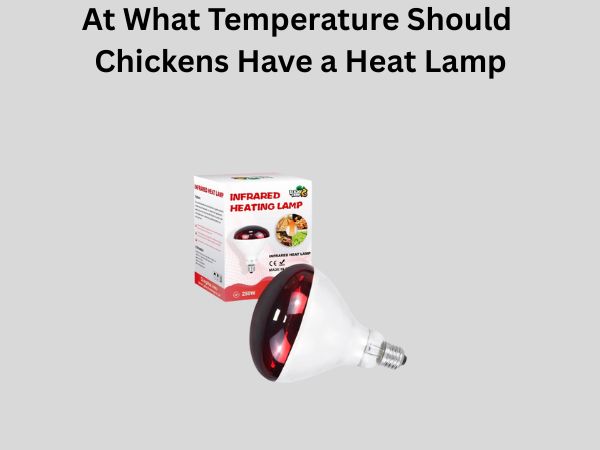
At What Temperature Should Chickens Have a Heat Lamp? A Complete Guide for Chicken Keepers
If you’re raising chickens, especially during the colder months or when you’ve got a fresh batch of chicks, understanding heat lamp requirements is absolutely crucial. I’ve seen too many backyard chicken enthusiasts struggle with this question, and honestly, it’s one of the most important factors in keeping your feathered friends healthy and comfortable. So let’s dive deep into everything you need to know about heat lamps for chickens.
Understanding the Basics: Why Chickens Need Heat
Think of a heat lamp as the chicken equivalent of a warm blanket on a cold night. Chickens, especially young chicks, can’t regulate their body temperature the way adult humans do. When they’re born or during their early weeks of life, they’re particularly vulnerable to temperature fluctuations. Without proper heat, chicks can become stressed, fail to thrive, and even die from hypothermia. It’s not just about comfort—it’s about survival.
Adult chickens are more resilient than chicks, but they still appreciate warmth during winter months. However, they don’t typically need heat lamps once they’ve reached their full size and grown their adult feathers. The key is understanding what temperature range keeps them in that sweet spot where they’re content and healthy.
Heat Lamp Temperature Requirements by Chicken Age
The temperature your chickens need really depends on how old they are. Let me break this down for you in a way that makes sense.
Newborn Chicks: The Most Sensitive Stage
When chicks first hatch, they’re incredibly delicate little creatures. The temperature directly under the heat lamp should be between 95 and 100 degrees Fahrenheit. Yes, that’s pretty hot, but remember, chicks are only a few inches tall, and they need that concentrated warmth right where they’re huddled.
I always tell people to think of it like this: if you walked into a sauna set at 98 degrees, it might feel comfortable, but for a tiny chick that weighs less than an ounce, that temperature is perfect for their body’s needs. The warmth helps them digest food properly, maintain energy, and grow at the rate nature intended.
Chicks at 1-2 Weeks Old
As your chicks approach their second week of life, you can gradually reduce the temperature by about 5 degrees. Now we’re talking 90 to 95 degrees Fahrenheit under the lamp. Think of this as a gentle transition period where they’re becoming more independent little birds.
During this stage, you’ll notice their personalities starting to emerge. They’ll be more active, pecking at food and water, and exploring their brooder. The slightly cooler temperature actually encourages them to move around more, which is fantastic for their development.
Chicks at 3-4 Weeks Old
By the time chicks hit the one-month mark, they’re developing their feathers nicely and becoming more capable of handling temperature changes. Reduce the heat lamp temperature to between 80 and 90 degrees Fahrenheit. At this point, they should have enough feather coverage to retain some of their own body heat.
You might notice your chicks spending less time directly under the lamp and more time exploring the cooler edges of their brooder. That’s exactly what you want to see—it means they’re becoming more independent.
Chicks at 5-6 Weeks and Beyond
Getting closer to the point where they can move outside, chicks at this age can handle temperatures between 70 and 80 degrees Fahrenheit. Many people start thinking about transitioning their chicks to outdoor housing around this time, especially if it’s warm enough outside.
These older chicks are developing their full set of feathers and becoming quite resilient. They’re also eating more and generating more body heat through activity. The heat lamp is becoming more of a safety net than a critical necessity.
Adult Chickens and Winter Heat Requirements
Here’s where things get interesting and often confuse new chicken keepers: adult chickens rarely need heat lamps. I know that might seem counterintuitive, but it’s true. Fully feathered adult chickens can handle temperatures down to around 0 degrees Fahrenheit without serious harm, especially if they’re cold-hardy breeds.
The dense feathering on adult chickens acts as natural insulation. When they huddle together in their coop at night, they create a microclimate that’s actually quite warm. However, there are situations where supplemental heat might be beneficial for adult chickens.
When Adult Chickens Might Need Heat
If you’re raising particularly cold-sensitive breeds like Silkies or Bantams, or if you have elderly chickens or birds recovering from illness, you might want to provide some warmth. Additionally, if you live in an area with brutally cold winters, a heat lamp can prevent frostbite on combs and wattles. Just keep the temperature in the coop around 40 degrees Fahrenheit—not as warm as a chick brooder, but comfortable enough to prevent cold-related stress.
How to Measure and Monitor Heat Lamp Temperature
You can’t just guess about temperature. You need an actual thermometer to know what’s really happening in your brooder or coop.
Best Thermometer Options
- Analog dial thermometers are affordable and reliable
- Digital thermometers give you precise readings quickly
- Infrared thermometers let you measure the exact spot under the lamp without disturbing your chicks
- Thermometers with alarms can alert you if temperatures drift outside your target range
I recommend placing your thermometer at the same height where your chicks hang out, not at adult eye level. This gives you the actual temperature experience your birds are having. Measure the temperature right under the lamp in the warmest spot, and also take readings in cooler areas of the brooder to understand the temperature gradient.
Creating the Right Temperature Gradient
A temperature gradient is crucial for brooder setup. This means one side of the brooder is warm under the lamp, and the other side is cooler. Your chicks will naturally move closer to the lamp when they’re cold and away from it when they’re warm. This self-regulation is their way of maintaining comfort, and you want to support that instinct.
If your brooder is too small or the temperature gradient is nonexistent, your chicks can’t find their comfort zone. They’ll either cluster too much under the lamp (risking overheating and trampling) or spread out too much away from warmth (risking hypothermia).
Signs Your Chickens Are Too Hot or Too Cold
Sometimes your thermometer might seem fine, but your chicks’ behavior tells a different story. Learning to read chicken body language is invaluable.
Signs of Being Too Cold
- Constant clustering directly under the heat lamp
- Puffing up their feathers to trap more air
- Reduced appetite and lethargy
- Peeping loudly and frequently
- Huddling in corners away from food and water
Cold chicks are miserable chicks. They’ll spend all their energy trying to stay warm instead of growing and developing properly. If you see these signs, raise your heat lamp or increase the wattage of your bulb.
Signs of Being Too Hot
- Spreading out far away from the lamp
- Panting with open beaks
- Avoiding the brooder edges and staying mostly in the cooler center
- Drinking excessive amounts of water
- General lethargy and lack of activity
Overheating is just as dangerous as being too cold. It can actually be harder on chicks because they can dehydrate quickly. If you notice these signs, lower the heat lamp by raising it higher, switch to a lower wattage bulb, or reduce the time the lamp is on during the day.
Choosing the Right Heat Lamp Wattage
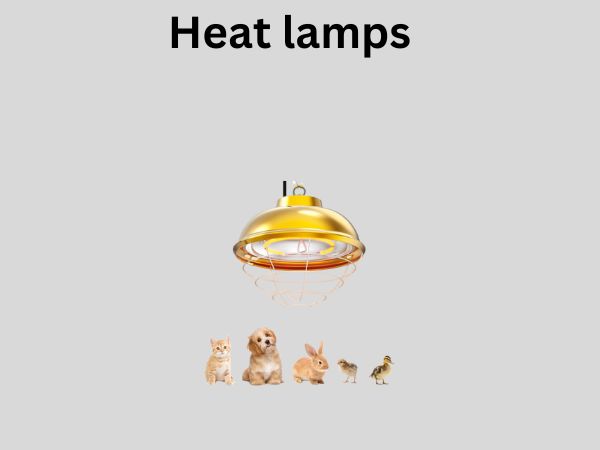
Heat lamps come in different wattages, typically 75, 100, or 250 watts. The right choice depends on several factors.
Factors Affecting Lamp Wattage Choice
A smaller brooder with just a few chicks might only need a 75-watt lamp, while a large brooder with dozens of chicks might need 250 watts. The size of your brooder, the ambient temperature of the room it’s in, and the type of housing you’re using all matter.
A garage in winter might need more wattage than a heated basement. A wooden brooder holds heat differently than a large open space. There’s no one-size-fits-all answer, which is why that thermometer is so important.
My approach is always to start with what seems reasonable and then adjust based on chick behavior and thermometer readings. It’s better to have a lamp with adjustable height so you can fine-tune the temperature without changing bulbs constantly.
Heat Lamp Safety Considerations
Heat lamps are incredibly useful, but they can also be fire hazards if not handled properly. I’ve heard some scary stories about brooder fires, and honestly, they’re completely preventable with proper precautions.
Essential Safety Tips
- Mount your lamp securely so it can’t fall into bedding or onto chicks
- Keep the lamp at least 12-18 inches away from bedding material
- Never use a regular light bulb—use a proper heat lamp bulb
- Ensure adequate ventilation in your brooder to prevent overheating and poor air quality
- Check the lamp daily for damage or loose connections
- Use a thermostat to automatically control the lamp and prevent temperature extremes
- Never leave the lamp unattended for extended periods without checking on it
A thermostat is honestly one of the best investments you can make for brooding chicks. It automatically turns the lamp off when the temperature reaches your target range and back on when it drops. This prevents temperature swings and reduces the risk of fire from overheating.
Transitioning Chicks Away from Heat Lamps
Eventually, your chicks will need to graduate from their heat lamp. This transition is an important milestone, and doing it right sets them up for success.
Gradual Weaning Process
Rather than abruptly turning off the heat lamp one day, gradually reduce the time it’s on. Start with maybe an hour off during the warmest part of the day, then increase it slowly over a week or two. Your chicks’ developing feathers and increasing size will help them manage without constant heat.
The weather outside matters too. Don’t rush this process during cold snaps. If you’re planning to move chicks outside, wait until nighttime temperatures are consistently in the 50s Fahrenheit or higher, depending on your chicks’ age and breed hardiness.
Outdoor Housing Considerations
Once chicks are moved to outdoor housing, they rarely need heat lamps even in winter, assuming they have proper shelter. A well-designed coop with good ventilation, dry bedding, and protection from wind and precipitation is usually sufficient. The exception is very young chicks that aren’t fully feathered—they’d still need some heat in a coop until they’re 6-8 weeks old, depending on climate.
Common Heat Lamp Mistakes to Avoid
I’ve seen chicken keepers make some easily avoidable mistakes with heat lamps. Let me share what not to do.
Mistake One: No Temperature Monitoring
Guessing about temperature is a recipe for failure. Get a thermometer. Seriously, it’s inexpensive and absolutely essential.
Mistake Two: Too Much Heat, Too Long
Some people keep their heat lamps on way longer than necessary, thinking more warmth equals healthier chicks. Actually, chicks need to gradually acclimate to cooler temperatures. Keeping them in a perpetually warm environment stunts their ability to regulate their own body temperature naturally.
Mistake Three: Inadequate Temperature Gradient
A brooder with uniform temperature throughout is a problem. Chicks need to be able to move away from heat when they don’t need it. Without a gradient, they can’t self-regulate.
Mistake Four: Poor Ventilation
Heat lamps can quickly create stuffy, humid conditions if your brooder isn’t ventilated properly. This creates the perfect environment for respiratory diseases. Ensure fresh air can circulate while maintaining appropriate temperature.
Alternative Heating Methods
While heat lamps are the most common method, there are alternatives worth considering.
Radiant Heat Panels
These panels emit infrared heat without the bright light of traditional lamps. Some people prefer them because chicks can rest better without constant bright light, which can reduce stress and aggressive behavior. They’re slightly more expensive but might be worth it for your setup.
Heated Brooder Plates
These flat heating elements sit low in the brooder, and chicks huddle under them like they would under a mother hen. They’re excellent for mimicking natural brooding behavior and don’t require as much space as traditional lamps. The temperature under the plate should follow the same guidelines as heat lamps.
Regional Climate Considerations
Where you live dramatically affects your heat lamp strategy. If you’re in a mild climate, you might barely need any supplemental heat even for chicks. If you’re in a harsh winter region, you need a solid plan.
Cold-hardy breeds like Wyandottes or Orpingtons handle winter better than heat-sensitive breeds like Silkies. Consider your local climate when choosing your chicken breeds and planning your heating strategy.
Conclusion
So, at what temperature should chickens have a heat lamp? The answer depends on age, breed, and circumstance. For chicks, start at 95-100 degrees Fahrenheit and gradually reduce by 5 degrees weekly until they’re feathered out and ready to move outdoors. For adult chickens, heat lamps are rarely necessary unless you’re in extremely cold climates or raising particularly sensitive breeds. The golden rule is always to monitor your birds’ behavior, use a reliable thermometer, and create a temperature gradient that allows them to self-regulate. Getting this right makes the difference between thriving chickens and struggling ones. Your feathered friends will thank you with healthy growth, good egg production, and years of enjoyment together.
Frequently Asked Questions
Can I use a regular light bulb instead of a heat lamp bulb for warmth?
No, you should never use a regular incandescent light bulb as a heat source for chicks. While they do produce some warmth, they’re not designed for this purpose and pose serious safety and fire risks. Proper heat lamp bulbs are made to handle the electrical load and thermal output safely. They’re also designed with reflectors that direct heat efficiently downward. The few dollars you save using an improper bulb aren’t worth the risk to your chicks or property.
How long should I keep the heat lamp on each day for chicks?
For newly hatched chicks, the heat lamp should be on 24 hours a day until they’re about two weeks old. After that, you can start introducing darkness for a few hours each day, which is actually healthy for their development. By four
![10 Best Cordless Led Gel Lamp [2026]](https://bestdesklamp.com/wp-content/uploads/2026/09/10-best-cordless-led-gel-lamp-2026-featured-768x432.jpg)

![10 Best Affordable Light Therapy Lamp [2026]](https://bestdesklamp.com/wp-content/uploads/2026/09/10-best-affordable-light-therapy-lamp-2026-featured-768x432.jpg)