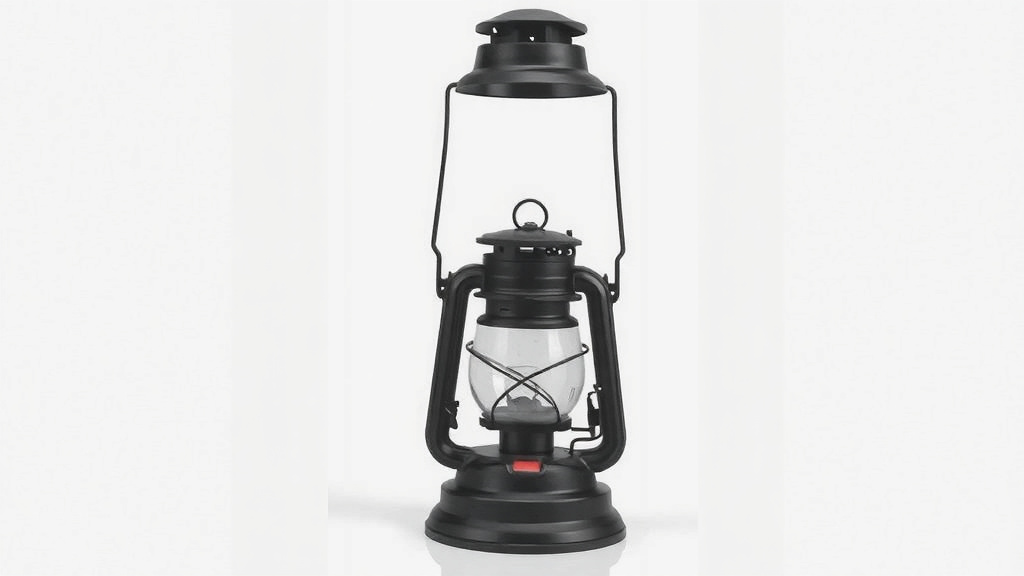
How Many BTUs Does a Kerosene Lamp Produce?
A typical kerosene lamp produces between 2,000 and 3,000 BTUs per hour. That’s roughly what a small space heater puts out. So while a lamp won’t heat your whole house, it does add real warmth to a small room.
Why does this matter? If you’re using kerosene lamps for emergency heating or off-grid living, knowing their heat output helps you plan. We researched the topic and found that output varies based on lamp size, wick type, and how high you burn the flame. A simple hurricane lamp sits at the low end, while larger oil-burning heaters can push well past 10,000 BTUs.
- Most standard kerosene lamps produce about 2,000 to 3,000 BTUs per hour.
- Larger lanterns and heaters can produce 5,000 BTUs or more.
- Flame height and wick size directly affect heat output.
- Lamps also produce carbon monoxide, so ventilation matters.
- Kerosene lamps are lighting tools first, heat sources second.
Curious how all the numbers stack up? Below, we break down exactly how kerosene lamp heat output works, what affects it, and when it’s actually worth counting on.
The Heat Output of a Kerosene Lamp Explained
Let’s get right into the numbers. A standard wick-style kerosene lamp burns fuel at a slow, steady rate. That slow burn is why the output lands around 2,000 to 3,000 BTUs per hour. Think of it as a candle on steroids — real warmth, but nothing dramatic.
We found that the exact figure depends on how much fuel the lamp consumes. A lamp burning about one ounce of kerosene per hour produces roughly 2,200 BTUs. Burn more fuel, get more heat. It’s that simple.
What Affects How Much Heat Your Lamp Gives Off
Not all lamps are created equal. Two identical-looking lamps on a shelf can produce very different amounts of warmth. Here’s what moves the needle.
Wick Size and Flame Height
The wick is the heart of the lamp. A wider wick pulls up more fuel, which means a bigger flame and more BTUs. Turning the wick up raises the flame, but there’s a catch. Too high, and you get smoke, soot, and wasted fuel.
Many experts say the ideal flame is steady and bright with no visible smoke. If you see black tips, you’ve gone too far (or your wick needs trimming).
Lamp Type and Design
Design matters more than most people think. A hurricane lamp with a glass chimney burns cleaner and hotter than an open flat-wick lamp. Mantle lamps, like an Aladdin-style burner, squeeze impressive light from modest fuel use.
- Flat-wick lamps: the classic, usually 2,000 to 2,500 BTUs per hour.
- Hurricane lanterns: similar output, better wind protection.
- Mantle lamps: brighter light, comparable heat, cleaner burn.
- Kerosene heaters: a different animal entirely, often 10,000 BTUs and up.
Comparing Kerosene Lamps to Other Heat Sources
Sometimes numbers only make sense in context. So how does your humble lamp stack up against other options?
| Heat Source | Average BTUs per Hour | Best Use |
|---|---|---|
| Kerosene lamp (standard) | 2,000–3,000 | Light plus a little warmth |
| Candle | About 80 | Ambiance, tiny spaces |
| Small electric space heater | 5,000 (1,500 watts) | One room |
| Kerosene heater | 10,000–23,000 | Cabin or emergency heating |
| Wood stove | 30,000–60,000+ | Whole-home heating |
See the difference? Your lamp produces roughly 25 to 35 times the heat of a candle. That sounds impressive until you compare it to a real heater. Then it looks more like a warm hug than a furnace. Our candles vs oil lamps comparison covers brightness, burn time, and safety in more detail.
Can a Kerosene Lamp Actually Heat a Room?
Short answer: a little, but don’t bet your winter on it. Here’s a realistic picture.
What One Lamp Can Do
In a small, well-sealed room — think 50 to 100 square feet — a lamp can raise the temperature a few degrees over a couple of hours. We found plenty of anecdotal reports from off-grid folks who use several lamps to take the edge off a cabin. It works, but slowly.
When You Need More Than a Lamp
If your goal is serious emergency heating, a purpose-built kerosene heater makes far more sense. These units are designed for heat output and often include safety features lamps lack. Many safety guidelines stress using any fuel-burning device with care indoors (CDC).
Ventilation Is Non-Negotiable
Burning kerosene produces carbon monoxide, along with water vapor and other byproducts. The CDC warns that even small fuel-burning devices can build up dangerous CO levels in closed spaces. Crack a window, run a CO detector, and never fall asleep with a lamp burning in a sealed room.
Fuel Use and Real-World Costs
Heat output ties directly to fuel burn. A typical lamp sips about 0.5 to 1 ounce of kerosene per hour. At that rate, a gallon of kerosene can run a lamp for roughly 100 to 150 hours. Do the math on price per gallon, and you’ll see lamps are cheap lighting with a heat bonus.
Compare that to a kerosene heater, which can burn through a gallon in 8 to 12 hours. Different tools, different appetites.
Safety Checklist Before You Burn
Before you light up, run through this quick list. It takes two minutes and could save you a world of trouble.
- Check that your CO detector has fresh batteries.
- Crack a window or door for airflow.
- Keep the lamp away from curtains, bedding, and clutter.
- Trim the wick so the flame burns clean and blue-tipped.
- Use only clear 1-K kerosene, never gasoline or additives.
- Set the lamp on a stable, non-flammable surface.
Getting the Most Warmth From Your Lamp
Want to squeeze every possible BTU out of your setup? A few tricks help.
Simple Ways to Boost Effective Heat
Position matters. Place the lamp near where you sit, but at least three feet from anything flammable. A dark metal surface behind the lamp can absorb and re-radiate some warmth. Closed small rooms hold heat better than open floor plans.
Also, keep the glass chimney clean. Soot on glass blocks light and can affect the burn. A quick wipe before each use keeps things bright and efficient.
Common Questions People Get Wrong About Lamp BTUs
One big misconception? That more flame always means proportionally more heat. We found that beyond a certain point, raising the wick just wastes fuel as soot and smoke. Efficiency drops while risk climbs.
Another myth: lamps heat rooms like mini-furnaces. They don’t. Their real job is light, with heat as a friendly sidekick. Plan your emergency setup accordingly — lamps for visibility, heaters for warmth.
Putting the Numbers to Work for You
So, what does all this mean for your home? If you keep two or three lamps burning during an outage, you’re adding maybe 6,000 to 9,000 BTUs of gentle heat spread across the space. That’s enough to keep pipes from freezing in a small area or to make one room bearable.
Pair lamps with blankets, sealed windows, and body heat, and you have a workable short-term plan. Just treat the heat as a bonus, not the main event. And always, always respect the fumes.
Conclusion
Here’s the bottom line: a standard kerosene lamp gives you about 2,000 to 3,000 BTUs per hour. That’s enough to take the chill off a small room, but not enough to replace a real heater. The wick, lamp design, and flame height all shape your output, and a clean-burning lamp gets the most from every drop of fuel. During an outage, use lamps for light and treat their warmth as a bonus. If heat is your priority, a proper kerosene heater will serve you better. Before you light anything, check your CO detector and crack a window. Ready to build your backup plan? Start by testing your lamps now, not in the middle of a storm.
Frequently Asked Questions
How long will a kerosene lamp burn on one gallon of fuel?
Most standard lamps run about 100 to 150 hours per gallon. That’s based on a burn rate of roughly half an ounce to one ounce of kerosene per hour. If you run the wick higher, expect that number to drop.
Do Aladdin mantle lamps produce more heat than regular wick lamps?
Not really. Aladdin-style mantle lamps are designed for brightness, not extra heat. Their output lands in a similar range to flat-wick lamps, so you get much better light with comparable warmth.
Can I use a kerosene lamp to heat a greenhouse or chicken coop?
We’d be cautious here. A lamp adds a small amount of heat, but open flames near bedding, plants, or dust create real fire risk. Enclosed animal spaces also trap fumes quickly. A vented heater built for that purpose is a safer choice.
Why does my kerosene lamp smell when it’s burning?
A smelly lamp usually means incomplete combustion. Common causes include a wick set too high, a wick that needs trimming, or fuel that isn’t clear 1-K kerosene. Fix the flame and air things out, and the smell should fade.
How many BTUs do I need to heat a room during a power outage?
A rough rule of thumb is about 20 BTUs per square foot in mild climates and more in cold regions. A 100-square-foot room needs around 2,000 to 4,000 BTUs, which is why one lamp can help but rarely does the whole job.