Acetylene Lamp: How It Works and Where It’s Still Used Today
Have you ever wondered how people lit their homes and workplaces before electricity became mainstream? Well, let me take you on a journey back in time to explore one of the most fascinating innovations in lighting history: the acetylene lamp. This remarkable device revolutionized how humans could see in the dark, and believe it or not, it’s still being used in certain applications today. Whether you’re a history enthusiast, a camping lover, or simply curious about how things work, understanding acetylene lamps will give you a whole new appreciation for modern lighting.
Understanding the Basics: What Exactly Is an Acetylene Lamp?
An acetylene lamp is essentially a lighting device that produces light by burning acetylene gas. Think of it as a controlled chemical reaction trapped in a portable container. The acetylene gas, when ignited, creates a bright, steady flame that can illuminate a space with remarkable efficiency. Unlike candles or oil lamps, acetylene lamps provided much brighter illumination, making them incredibly popular during the late 1800s and early 1900s.
The beauty of the acetylene lamp lies in its simplicity. You don’t need electricity, complex wiring, or expensive infrastructure. All you need is the right chemical combination, a container, and a way to ignite the gas. This made acetylene lamps accessible to people in remote areas, mines, and other locations where running electrical lines was impractical or impossible.
The Chemistry Behind the Light: How Acetylene Gas Is Generated
The Chemical Reaction Explained
The heart of every acetylene lamp is a simple but elegant chemical reaction between calcium carbide and water. When these two substances come into contact, they react vigorously to produce acetylene gas and calcium hydroxide as a byproduct. This reaction is exothermic, meaning it releases heat, which makes the process quite efficient for gas production.
Calcium carbide is a grayish-black powder or granular substance that looks rather unremarkable. However, when you add water to it, something magical happens. The reaction begins almost immediately, generating acetylene gas that can be captured and used as fuel. The gas itself is colorless but has a distinctive smell—often described as similar to garlic or rotten eggs—which serves as a safety feature by making leaks noticeable.
Why Calcium Carbide Was the Game Changer
Before calcium carbide came along, people had limited options for generating acetylene gas. The discovery that calcium carbide could produce acetylene so efficiently was revolutionary. Suddenly, people could carry the solid chemical with them and generate gas on demand simply by adding water. This portability made acetylene lamps ideal for miners, lighthouse keepers, and early automotive enthusiasts.
The Mechanical Structure: What’s Inside Your Acetylene Lamp?
The Water Drip Mechanism
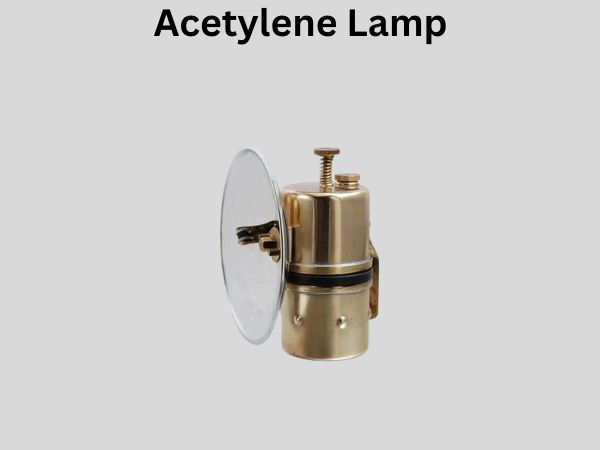
The genius of acetylene lamp design is in the water drip system. The lamp has a small water reservoir mounted above a chamber containing calcium carbide. A valve or screw mechanism allows you to control the rate at which water drips down onto the carbide. This controlled dripping ensures that gas is generated at a steady, manageable rate rather than all at once, which would be dangerous and wasteful.
The drip rate is crucial. Too slow, and you won’t generate enough gas to maintain a bright flame. Too fast, and you could create excessive pressure or generate gas faster than the lamp can burn it. Most acetylene lamps have a fine-tuning screw that lets you adjust this rate to perfection.
The Burner and Reflector Assembly
Once the acetylene gas is generated, it travels through a tube to the burner. The burner typically consists of a small opening or jet where the gas emerges. As the gas exits, it’s ignited by a match, lighter, or previously lit mantle. The flame that results is remarkably bright and pure white in color, much brighter than a candle or oil lamp.
Many acetylene lamps feature a reflector behind the burner. This reflector, usually made of polished metal, directs the light forward in a concentrated beam. If you’ve ever seen miners’ lamps or old bicycle lights, you know how effectively these reflectors work. They concentrate the light’s intensity and allow the lamp to illuminate a much larger area than the flame alone would suggest.
The Housing and Safety Features
The outer casing of an acetylene lamp is typically made from brass, steel, or other durable metals that can withstand both the heat of the flame and the occasional bump or drop. The casing serves multiple purposes: it protects the internal components, helps regulate temperature, and provides a safe container for the chemical reaction happening inside.
Most lamps include a small valve or plug at the bottom of the calcium carbide chamber, which allows you to drain the spent calcium hydroxide residue. This maintenance step is necessary to keep the lamp functioning properly and to prevent a dangerous buildup of solid waste inside the chamber.
How the Acetylene Lamp Actually Works: A Step-by-Step Process
Step One: Loading the Chemicals
The process begins when you load calcium carbide into the main chamber of the lamp. You’re not pouring in a huge amount—just enough to generate gas for several hours of use. The amount depends on how bright you want the flame and how long you need the lamp to run.
Step Two: Adjusting the Water Flow
Next, you fill the water reservoir and adjust the drip valve to control how quickly water falls onto the calcium carbide. This is where your skills as a lamp operator come into play. A gentle, steady drip is what you’re aiming for, not a flood.
Step Three: Gas Generation Begins
As soon as water contacts the calcium carbide, the chemical reaction begins. The acetylene gas starts to form immediately. You’ll actually be able to hear a slight hissing or bubbling sound as the reaction progresses. The gas rises through the internal tubes toward the burner.
Step Four: Igniting the Flame
Before you light the lamp, it’s important to let a small amount of gas flow through the burner for a few seconds. This purges any air from the system, because acetylene and air can form an explosive mixture. Once you’ve purged the system, you carefully bring a flame near the burner opening, and the acetylene ignites with a bright, white light.
Step Five: Achieving Steady Illumination
Once lit, the acetylene flame burns at the burner. As long as water continues to drip onto the calcium carbide and the reaction continues, you’ll have steady illumination. The brightness can be adjusted by modifying the water drip rate—more drips mean more gas, which means a brighter, larger flame.
Brightness and Efficiency: Why Acetylene Lamps Were So Popular
One of the main reasons acetylene lamps became so widespread was their remarkable brightness compared to other portable lighting options. An acetylene lamp could produce light equivalent to roughly 40 to 50 candles, whereas oil lamps typically provided only 10 to 15 candlepower. For people working in mines, railways, or other dark environments, this dramatic increase in visibility was transformative.
The efficiency of acetylene as a fuel is also noteworthy. A small amount of calcium carbide could keep a lamp burning for quite a long time. This made acetylene lamps economical to operate, especially when you consider that you didn’t need to constantly refill fuel or maintain complicated systems.
Historical Uses: Where Acetylene Lamps Made Their Mark
Mining Operations
Perhaps the most famous application of acetylene lamps was in underground mining. Miners wore small acetylene lamps mounted on their helmets or held in their hands as they worked in the darkness below ground. The reliability and brightness of these lamps made mining significantly safer and more productive. You can imagine how different mining would have been without this technology.
Maritime and Lighthouse Applications
Before electric lights dominated, lighthouses used acetylene lamps to warn ships away from dangerous coastlines. The bright, steady flame was perfect for this application, and the relatively simple mechanism meant that lighthouse keepers could maintain and operate the lamps without extensive technical training.
Early Automobile Lighting
When automobiles first appeared on the roads, acetylene lamps were the primary lighting solution. Cars had acetylene headlamps mounted on the front, which provided reasonable visibility for nighttime driving. This was a major safety improvement over carriages lit by candles or oil lamps.
Railway and Transportation
Railway workers, signalmen, and track maintenance crews all relied on acetylene lamps. The portability and brightness made them ideal for work that happened around the clock in various weather conditions.
Where Acetylene Lamps Are Still Used Today
Caving and Spelunking
Interestingly, acetylene lamps haven’t completely disappeared from modern use. Cave explorers and serious spelunkers still prefer acetylene lamps for deep cave exploration. Why? Because they’re reliable, require no electricity, and provide consistent lighting even in the damp conditions found deep underground. Modern cavers appreciate the simplicity and dependability of this century-old technology.
Historical Reenactments and Museums
Museums and historical sites that showcase early industrial or mining operations often use functional acetylene lamps to demonstrate how people lived and worked in the past. These lamps help visitors understand the challenges and innovations of earlier eras.
Emergency and Backup Lighting
Some industries and emergency services keep acetylene lamps as backup lighting systems. Since they don’t depend on electricity or batteries, they’re reliable when modern lighting systems fail.
Camping and Outdoor Recreation
A small but dedicated group of outdoor enthusiasts still use acetylene lamps for camping and backpacking. These lamps provide bright, ambient light around a campsite and can run for many hours on a small amount of fuel. For people who enjoy vintage gear or want a more authentic camping experience, acetylene lamps offer a unique appeal.
Safety Considerations: Using Acetylene Lamps Responsibly
Understanding the Dangers
While acetylene lamps are relatively simple devices, they do come with safety considerations that users need to understand. Acetylene gas itself is flammable and can form explosive mixtures with air under certain conditions. Calcium carbide, the solid fuel, reacts vigorously with water and can cause burns if handled carelessly.
Best Practices for Safe Operation
- Always handle calcium carbide with dry hands and keep it away from moisture until you’re ready to use it
- Never fill the water reservoir beyond the recommended level, as excessive pressure could develop
- Ensure proper ventilation when operating the lamp, especially indoors
- Allow the lamp to cool before refilling or adjusting the carbide chamber
- Keep the lamp away from flammable materials and combustibles
- Never attempt to disassemble or modify the lamp in ways not recommended by the manufacturer
- Store calcium carbide in a cool, dry place away from moisture and other chemicals
Comparing Acetylene Lamps to Other Lighting Technologies
Acetylene Lamps Versus Oil Lamps
Oil lamps were the dominant lighting technology before acetylene became widely available. While oil lamps were reliable, they produced less light, smelled worse, and required more frequent maintenance. Acetylene lamps offered roughly three to four times the light output, making them a clear improvement for most applications.
Acetylene Lamps Versus Early Electric Lights
When electric lighting became available, it gradually replaced acetylene lamps in most applications. Electric lights were cleaner, safer, required less maintenance, and eventually became cheaper to operate. However, acetylene lamps had one advantage: they worked anywhere, regardless of whether electrical infrastructure was available.
Acetylene Lamps Versus Modern LED Lighting
Today’s LED headlamps and flashlights are far more efficient, brighter, and lighter than acetylene lamps. A modern LED headlamp can run for dozens of hours on a small battery, whereas an acetylene lamp requires ongoing chemical supply. For most purposes, LED lighting has completely superseded acetylene technology.
The Legacy of Acetylene Lamp Innovation
The acetylene lamp represents a fascinating chapter in the history of human innovation. It emerged at exactly the right moment when people needed better lighting but didn’t yet have access to reliable electricity. The technology was elegant, efficient, and accessible, which allowed it to spread rapidly across industries and continents.
The engineers and inventors who developed acetylene lamp technology understood something fundamental: sometimes the best solution is the simplest one. Rather than trying to create something overly complex, they harnessed a basic chemical reaction and contained it in a portable device. This approach to problem-solving remains relevant today.
Maintenance and Troubleshooting Your Acetylene Lamp
Common Issues and Solutions
If your acetylene lamp isn’t burning as brightly as it should, the problem is usually one of several things. The water drip rate might be too slow, meaning insufficient gas is being generated. Try adjusting the control screw slightly to increase the flow. If the flame is weak and yellow rather than bright white, this often indicates that air is mixing with the acetylene, which you can fix by adjusting the burner opening.
If the lamp won’t ignite at all, check whether gas is actually being produced. You should hear a faint hissing from the burner when you open the valve. If there’s no sound, the water might not be reaching the calcium carbide. Check that the water reservoir isn’t empty and that the drip valve isn’t stuck closed.
Regular Maintenance Tasks
To keep your acetylene lamp in good working order, periodically clean the burner opening to remove any deposits or residue. The reflector should be kept clean and polished so it continues to direct light efficiently. Every few uses, drain the spent calcium hydroxide from the bottom of the carbide chamber to prevent buildup that could restrict gas flow.
Conclusion
The acetylene lamp stands as a testament to human ingenuity and our endless drive to conquer darkness. From its invention in the late 19th century through its widespread adoption in mines, on ships, and in automobiles, the acetylene lamp transformed how people could work and live. Though modern technology has largely replaced it with more convenient and efficient alternatives, the acetylene lamp remains a remarkable example of elegant engineering and practical problem-solving.
Understanding how acetylene lamps work gives us appreciation for the innovations that paved the way for modern lighting. Whether you’re interested in history, outdoor recreation, or simply understanding how things work, the acetylene lamp offers fascinating insights into a pivotal moment in technological development. And who knows? In an emergency situation or a remote location, this old technology might just prove itself useful once again.
Frequently Asked Questions
Is acetylene lamp fuel still available to purchase today?
Yes, calcium carbide is still manufactured and sold, though it’s less common than it once was. You can purchase it through specialty retailers, online suppliers, and some industrial supply companies. However, regulations regarding its sale vary by location, and some areas restrict its availability due to safety concerns. It’s worth noting that calcium carbide must be stored properly in dry conditions and is often sold in metal containers specifically designed for safe storage.
How long can an acetylene lamp burn on a single charge of carbide?
The burn time depends on several factors, including the size of your lamp, how much calcium carbide you load, and how bright you set the flame. Generally, a typical handheld acetylene lamp can burn


![10 Best Desk Lamp Dorm [2026]](https://bestdesklamp.com/wp-content/uploads/2026/09/10-best-desk-lamp-dorm-2026-featured-768x432.jpg)
![10 Best At Home Uv Led Nail Lamp [2026]](https://bestdesklamp.com/wp-content/uploads/2026/08/10-best-at-home-uv-led-nail-lamp-2026-featured-768x432.jpg)