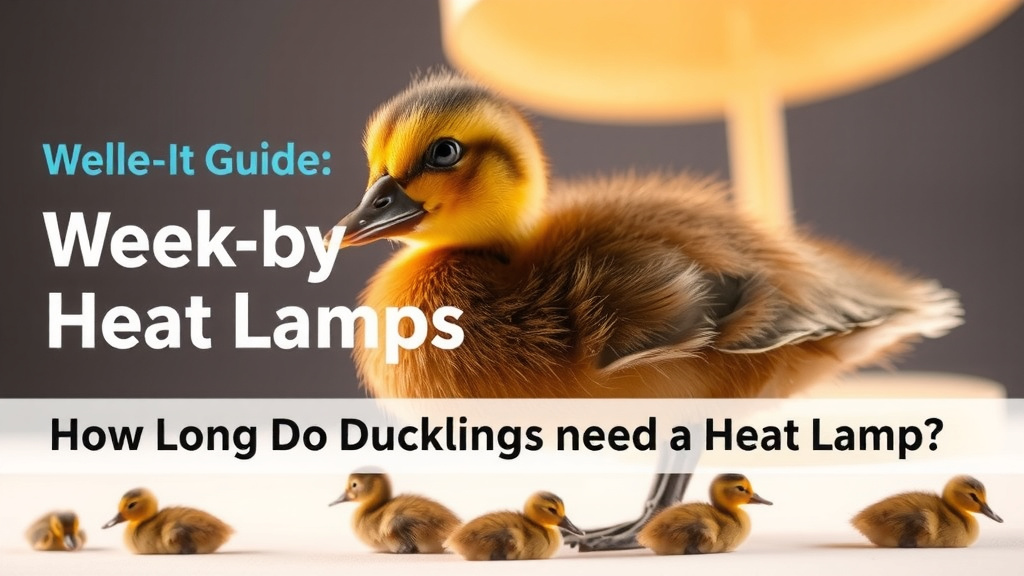
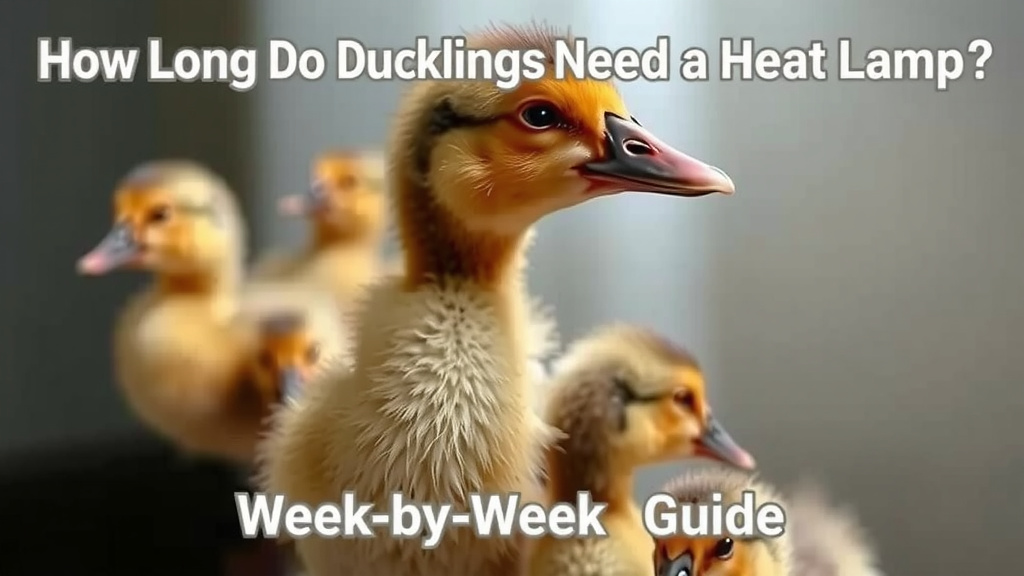
How Long Do Ducklings Need a Heat Lamp? Week-by-Week Guide
Most ducklings need a heat lamp for the first 2 to 6 weeks of life, depending on the temperature around them. They start at about 90°F and you can drop the heat by 5–10 degrees each week until they no longer need it. Once they’re fully feathered, usually around 6 weeks, they can handle normal outdoor temperatures on their own.
Here’s the catch: ducks feather out a bit slower than chicks, and they’re famous for splashing water everywhere. That means wet down and a heat lamp can be a risky mix, so you’ll want to keep their brooding area warm but not soaking. We researched what duck keepers and hatchery experts recommend, and the honest answer is that watching your ducklings matters more than counting days on a calendar.
Quick TL;DR:
- Ducklings need heat starting at 90°F in their first week.
- Drop the temperature 5–10 degrees each week as they grow.
- Most ducklings are fully feathered and done with the lamp by 6 weeks.
- Warm weather may shorten that timeline; cold snaps may extend it.
- Watch their behavior — huddling means too cold, panting means too hot.
Below, we break down exactly how long to keep that lamp on, week by week, plus the warning signs that tell you it’s time to unplug it for good. Let’s dive in.
How Long Should You Keep a Heat Lamp on Ducklings?
Plan on keeping your heat lamp running for about 6 weeks, and you’ll rarely go wrong. Some ducklings wean off it sooner; some need it a bit longer. The lamp is less a calendar item and more a thermometer decision.
Think of it like training wheels. You don’t take them off on a specific date — you take them off when the wobbles stop. Your ducklings will tell you when they’re ready.
Duckling Heat Lamp Timeline Week by Week
Most hatchery guides, including care sheets from Metzer Farms and Storey’s Guide to Raising Ducks, follow a simple pattern. Start hot, then step down each week.
| Week | Target Temperature | What’s Happening |
|---|---|---|
| Week 1 | 90°F | Fluffy down only. Needs real warmth. |
| Week 2 | 80–85°F | Starting to grow first feathers. |
| Week 3 | 75–80°F | Tail feathers appear. |
| Week 4 | 70–75°F | Wing feathers filling in fast. |
| Week 5 | 65–70°F | Mostly feathered. Short lamp breaks okay. |
| Week 6 | Ambient temp | Fully feathered. Usually done! |
See the pattern? Each week you lower the lamp or lower the bulb wattage. That gradual change matters more than hitting exact numbers.
Why Ducks Feather Out Slower Than Chicks
Chicks often finish their heat lamp around 4 to 5 weeks. Ducklings usually need an extra week or two. Their feathers come in a little later, which leaves them exposed to cold longer. Our guide to the chick heat lamp timeline breaks down how the schedules differ.
There’s another quirk here. Ducklings are waterfowl, so their down gets wet easily. And wet down plus a cold brooder equals a chilled duckling fast. Many keepers recommend giving ducklings shallow water early and placing it away from the heat zone so splashes dry quickly.
Weather Changes the Answer
Your local climate is a big player. A duckling in June in Texas hits the finish line sooner than one born in a March snowstorm in Minnesota.
Warm Weather Can Shorten the Timeline
If outdoor temps are already sitting at 70°F or higher, you can drop your lamp temperature faster. Some summer brooders barely need the lamp past week 3 or 4. Just make the change slowly and watch closely.
Cold Weather Can Stretch It
A cold snap during week 5? Plug the lamp back in. There’s no rule saying you can’t. Warm days and chilly nights can also confuse the schedule, so many keepers run the lamp only overnight during the transition weeks.
Reading Your Ducklings: Signs They’re Ready to Ditch the Lamp
Forget the calendar for a minute. Behavior tells you everything. We found that experienced duck keepers rely on watching the flock more than any chart.
- Huddling in a pile? Too cold. Lower the lamp or add a bulb.
- Panting and spreading out? Too hot. Raise the lamp.
- Evenly spread and happily eating? Temperature is just right.
- Fully feathered bodies? Getting close to lamp-free life.
- Sleeping away from the warm spot? They’ve outgrown it.
- Roosting and resting calmly at night? Time to start weaning.
How to Wean Ducklings Off the Heat Lamp
Don’t go cold turkey (or cold duck, as it were). A sudden change can shock them. Here’s a checklist many keepers follow:
- Raise the lamp a few inches every 2–3 days.
- Check the brooder temp with a thermometer at duckling level.
- Turn the lamp off during the warmest part of the day first.
- Keep night heat going for another week after daytime weaning.
- Give them a draft-free shelter before full removal.
- Watch them for a full day and night before you unplug for good.
Safe Heat Lamp Setup for Ducklings
While we’re here, a quick safety note — because heat lamps and curious ducklings can be a bad combination. Heat lamps are a leading cause of coop and brooder fires, and fire safety groups warn about any unattended heat source around flammable bedding like pine shavings. Our safety guide explains how heat lamps start fires and which clearance zones matter most.
Common Heat Lamp Mistakes to Avoid
- Never clip the lamp to something the ducklings can bump or peck.
- Use a lamp with a ceramic socket and a protective wire guard.
- Secure the cord so nobody chews or tangles it.
- Keep bedding at least 12 inches below the bulb.
- Consider a safer radiant heat plate instead of a bare bulb.
We found that many keepers switch to a brooder plate after week 2. It heats like a mother duck instead of like the sun, and it can’t shatter or overheat bedding the same way.
What Happens If Ducklings Get Too Cold Too Soon?
Cold stress isn’t just a shiver and a shrug. Chill can lead to pasty vents, weak digestion, and in bad cases, death. Young ducklings can’t regulate their own body temperature until real feathers replace that down — much like human newborns who can’t hold their own heat well, a point pediatric sources such as the Mayo Clinic make about infants.
The good news? A chilled duckling usually recovers fast if you warm it gently and quickly. Cup it in your hands, hold it near (not under) the lamp, and offer warm water with a dropper once it’s alert.
Do Adult Ducks Ever Need a Heat Lamp Again?
Short answer: usually no. A healthy, fully feathered adult duck is a walking insulated parka. Ducks handle cold weather remarkably well — some breeds thrive in below-freezing winters as long as they have a dry, draft-free shelter.
There are exceptions. A sick duck, an injured bird, or a duck molting during a hard freeze might appreciate supplemental heat. But for the average backyard flock, winter heat lamps cause more fire risk than they solve. Ventilation and dry bedding do the heavy lifting.
When in Doubt, Watch the Birds
If the whole week-by-week thing feels overwhelming, here’s the simple truth: your ducklings will show you. Six weeks is the typical answer, but the fluffballs themselves are the real thermometer. Watch, adjust, and you’ll get it right.
Conclusion
Raising ducklings with a heat lamp comes down to one number and one habit. The number is six weeks — a solid target for most flocks. The habit is watching your birds every day and adjusting as they grow. Feather coverage, weather, and behavior matter more than any calendar date. We found that keepers who check the brooder temperature weekly and wean slowly almost never run into trouble, while those who yank the lamp too soon often do. So set up your brooder safely, step the heat down each week, and let your ducklings tell you when they’re ready. They’ll let you know.
Frequently Asked Questions
Can I use a regular light bulb instead of a heat lamp?
Standard household bulbs aren’t designed for brooder use and can burn out fast or shatter. A proper red heat lamp bulb works better because it provides steady warmth and doesn’t disrupt sleep. Pair it with a lamp rated for heat bulbs and a wire guard.
Should I leave the heat lamp on all night?
Yes, especially during the first few weeks. Nighttime temperatures drop, and young ducklings can’t regulate their own body heat yet. During the weaning stage, you can turn the lamp off during warm days first and keep it on overnight for another week or so.
What wattage heat lamp bulb do ducklings need?
Most keepers start with a 100-watt red bulb for a standard brooder, then drop to 75 or 60 watts as weeks pass. Wattage needs vary with brooder size and room temperature, so always confirm with a thermometer at duckling level rather than guessing.
Do ducklings need a heat lamp if it’s summer?
Often not for long. If your brooder space already sits at 85–90°F, week one heat needs may be minimal. Many summer brooders wean off the lamp by week 3 or 4. Just keep monitoring behavior, since a surprise cool night can still chill young ducklings.
Can ducklings and chicks share a brooder and heat lamp?
It’s possible, but tricky. Ducklings need slightly warmer temps longer than chicks, and they splash water that chicks shouldn’t sit in. If you combine them, give the brooder a dry, warm zone with shallow water kept far from the heat source, and watch both species closely.