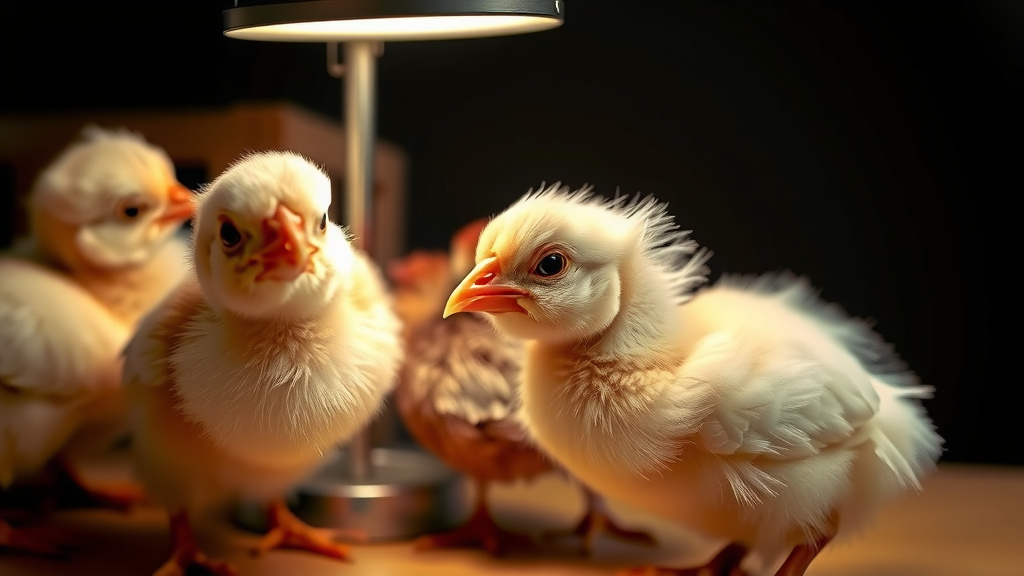
How Long Can Chicks Go Without a Heat Lamp
So, you’re wondering: how long can chicks go without a heat lamp? Generally, healthy, fluffy chicks can go without supplemental heat for a very short time, perhaps an hour or two, once they are about 3-4 weeks old. This depends heavily on your ambient room temperature, as older chicks develop their own body heat and become much hardier. They still need a warm environment, but not the intense heat lamps required for day-old babies.
As chicks grow, their need for external warmth decreases. We found that by the time they’re four weeks old, many can tolerate cooler temperatures, especially if they are healthy and well-fed. However, this isn’t a free pass to leave them in a drafty coop! They still need protection from the cold, and the exact timeline can vary based on breed and individual chick development. Always keep a close eye on their behavior for signs of chilling.
- Chicks need heat for the first few weeks.
- After 3-4 weeks, they need less supplemental heat.
- Room temperature is a key factor.
- Watch chick behavior for signs of cold.
- Breed and health affect their hardiness.
Let’s dive into the specifics of when and how to wean your little ones off the heat lamp safely. We’ll cover what to watch for and how to ensure a smooth transition.
Understanding Your Chicks’ Heat Needs as They Grow
As your adorable little chicks get older, their need for a constant, intense heat source like a heat lamp gradually fades. You’re probably wondering when you can start phasing it out. Generally, healthy chicks can manage for short periods without direct heat once they reach about 3-4 weeks old, provided your ambient room temperature is comfortable. They’re developing their own fluffy insulation and natural body heat, much like a tiny, feathered radiator!
This transition isn’t a race, though. It’s about observing your chicks and understanding their changing physiology. Think of it like a baby gradually weaning off a bottle – it’s a process, not an overnight event. We want to make sure they’re ready and comfortable every step of the way, avoiding any chilling that could set them back.
When is the Right Time to Reduce Heat?
The big question is, when exactly is that magical point where the heat lamp becomes less critical? We found that most chicks begin to adapt well to slightly cooler temperatures around the 3-4 week mark. By week five, many can do without it entirely, especially if they have a good covering of feathers. This is when their downy fluff starts to be replaced by proper pin feathers, which offer much better insulation.
However, “without heat” doesn’t mean “in a drafty shed.” They still need a protected environment. Ambient room temperature plays a huge role. If you’re keeping them in a brooder inside your home, the general room temperature is usually sufficient. If they are in a garage or a cooler part of your house, you’ll need to be more cautious.
Factors Influencing Their Heat Tolerance
Not all chicks are created equal when it comes to surviving without heat. Several factors play a role in how quickly they can adapt:
- Age: This is the most significant factor. Younger chicks are far more vulnerable.
- Feather Coverage: Chicks with fuller feathering can regulate their body temperature better.
- Health and Vigor: Strong, healthy chicks are hardier than those that are a bit under the weather.
- Ambient Temperature: The temperature of the room or brooder area is critical.
- Humidity: High humidity can make chicks feel colder than the actual temperature suggests.
- Drafts: Even a slightly cool draft can chill chicks very quickly.
Breed Differences in Heat Tolerance
Did you know some breeds are naturally hardier than others? Certain breeds, especially those developed for harsher climates, might adapt to lower temperatures sooner. For example, some larger, dual-purpose breeds might start shedding their need for intense heat a bit earlier than delicate bantams. While we don’t have extensive research specifically on heat lamp weaning times per breed, general hardiness observed in adult birds often translates to their chick stage (Backyard Chickens Guide).
Observing Your Chicks’ Behavior is Key
This is where you become the expert chick whisperer! Your chicks will tell you if they’re too cold. Their behavior is your best guide.
If chicks are huddled tightly together directly under the heat source, they need more warmth. If they are all spread out and seem active, they are likely comfortable. If they are chirping loudly and constantly, it can be a sign of discomfort, and cold is a common culprit. When they start to pant, that’s a sign of overheating, which is also something to monitor!
Gradually Reducing the Heat: A Step-by-Step Approach
Instead of a sudden switch-off, think about gradually reducing the heat. This is the safest way to wean them off the lamp.
Week 1-2: Full Heat is Essential
For the first two weeks, they need consistent warmth. Aim for around 95°F (35°C) directly under the lamp for the first week. For the second week, you can lower this by about 5°F (2.8°C).
Week 3: Lowering the Temperature
By week three, you can often lower the temperature to about 85-90°F (29-32°C). Some chicks might even be fine with slightly less if your room is warm. You can start by raising the heat lamp a few inches higher. This naturally lowers the temperature the chicks experience below it.
Week 4: Testing the Waters
Around week four, the target temperature under the lamp can be lowered to 75-80°F (24-27°C). This is the stage where you can start to test their tolerance. Try turning off the lamp for an hour or two during the warmest part of the day. If they seem comfortable and active, you’re on the right track. If they start to huddle, bring it back on.
Week 5 and Beyond: Less is More
Many chicks by week five can go without supplemental heat entirely, provided the ambient room temperature is above 70°F (21°C) and there are no drafts. Continue to monitor their behavior closely.
Creating a Comfortable Brooder Environment
Beyond just the heat lamp, the brooder itself needs to be a safe and comfortable haven. Drafts are the enemy of young chicks! Make sure the brooder is enclosed and protected from any air currents. Pine shavings or straw make good bedding, but ensure it’s kept clean and dry. A dirty, damp environment can lead to health problems, making them more susceptible to cold.
What to Do if You Remove the Heat Lamp Too Early
Mistakes happen! If you notice your chicks are chilled, don’t panic. The immediate step is to restore their heat source. You can temporarily use the heat lamp again or place them in a warmer location. Gently rub them with a towel to help warm them up. Once they are fully warmed and seem active again, you can reassess the situation and try reducing heat more gradually. Overheating is also dangerous, so always ensure there’s a cooler area in the brooder where they can move away from the heat if needed.
Signs Your Chicks Are Ready for Less Heat
You’ll see visual cues. Their activity level is a great indicator. Are they wandering around exploring their brooder? Or are they all piled up in a heap?
- Active and Spread Out: Chicks are comfortable and not too cold.
- Exploring: They’re not just seeking heat; they’re engaging with their environment.
- Evenly Feathered: They have developed a good coat of feathers.
- Not Constantly Chirping: Loud, distressed chirping can signal cold.
Transitioning to the Coop: A Gradual Shift
When it’s time to move them out of the brooder and into a larger run or coop, this is another phase where heat management is important. Even in a coop, they might need some supplemental heat on very cold nights if they haven’t fully feathered out or if the coop is drafty. Many chicken keepers use a safe, low-wattage heat source in the coop during winter, especially for younger birds. Always prioritize safety with any heat source in a coop environment.
The Importance of a Temperature Gradient
A critical concept for chick comfort is the temperature gradient. This means having a range of temperatures within the brooder. The area directly under the heat lamp should be the warmest. As the chicks move away from the heat source, the temperature should gradually decrease. This allows them to self-regulate by moving to the area that feels best to them. If the entire brooder is too hot or too cold, they have no escape.
A Simple Checklist for Heat Lamp Removal
Before you say goodbye to the heat lamp, run through this quick checklist:
- Chicks are at least 3-4 weeks old.
- They are well-feathered, with few downy patches visible.
- Your ambient room temperature is consistently above 70°F (21°C).
- There are absolutely no drafts where the chicks are housed.
- Your chicks are active, eating, drinking, and seem content when the lamp is off for short periods.
- You have a backup plan in case they get chilled.
Conclusion
Transitioning your chicks away from the heat lamp is a gradual process, not an abrupt event. You’ve learned that by 3-4 weeks old, with good feather coverage and a comfortable ambient temperature, they can start to tolerate shorter periods without direct heat. Always prioritize observing your chicks’ behavior; it’s your best indicator of their comfort. Remember to introduce changes slowly, ensuring a warm, draft-free environment remains their safe haven. With careful monitoring and a step-by-step approach, you can successfully wean your chicks off the heat lamp and onto their own robust insulation, setting them up for a healthy life.
Frequently Asked Questions
Can chicks get too cold if I turn off the heat lamp too soon?
Yes, removing the heat lamp too early can cause chicks to get chilled. This can weaken them and make them more susceptible to illness. If you notice they are huddled tightly or chirping excessively, they are likely too cold and need heat restored immediately.
What if my chicks seem perfectly fine without the heat lamp for a bit?
It’s wonderful when they seem comfortable! This often means your ambient room temperature is warm enough, and they are developing well. However, always err on the side of caution. Short, supervised periods without heat are okay, but a sudden prolonged absence might still shock them, especially at younger ages within that 3-4 week window.
How can I tell if my chicks are too hot or too cold?
Chicks that are too cold will huddle together directly under the heat source. Chicks that are too hot will spread far away from the heat and may pant. A comfortable chick will be active, spread out, and moving around the brooder freely.
Do different breeds of chicks have different heat needs?
Generally, yes. Hardier breeds developed for colder climates might adapt to lower temperatures sooner than more delicate breeds. While age and feather coverage are primary factors for all chicks, breed can influence their natural resilience and how quickly they tolerate reduced heat.
What is the safest way to remove the heat lamp permanently?
The safest method is gradual reduction. Start by raising the lamp to decrease the heat intensity, then turn it off for short periods during the warmest part of the day. Gradually increase these off-times as your chicks show continued comfort, ensuring they always have a warm area to retreat to if needed.