How Lamp Oil Is Made: A Simple Explanation
Lamp oil is primarily made by refining petroleum into a clear, odorless liquid. This process separates desirable components from crude oil. The goal is to create a fuel that burns cleanly and safely in your lamps, giving off minimal smoke and scent. Think of it as taking raw, earthy crude oil and making it into something pure and useful for light.
While petroleum-based oils are most common, you can also find lamp oils derived from vegetable sources like soybean or coconut. These plant-based options offer a more natural alternative. Both types undergo purification steps to ensure they are suitable for burning. You want a fuel that’s dependable and doesn’t cause problems in your home.
- Lamp oil usually comes from refined petroleum.
- Vegetable-based oils are another option.
- Both types are purified for safe burning.
- The goal is clean, odorless, and reliable light.
Ready to get a clearer picture of how your favorite lamp oil is made? Let’s walk through the production process step by step.
How Your Lamp Oil Gets Made
Lamp oil might seem simple, but its creation involves quite a bit of science. You’re essentially taking raw materials and refining them. The goal is a clean-burning fuel. We’ll break down the process for both petroleum and vegetable-based oils. You’ll see how they become the clear liquids that light up your home.
The Journey from Crude Oil to Lamp Fuel
Most lamp oil starts its life as crude oil. This thick, dark liquid comes straight from the ground. It’s a complex mix of hydrocarbons. Not all of it is useful for lamps. We need to separate the good parts from the rest.
Fractional Distillation: The Big Separation
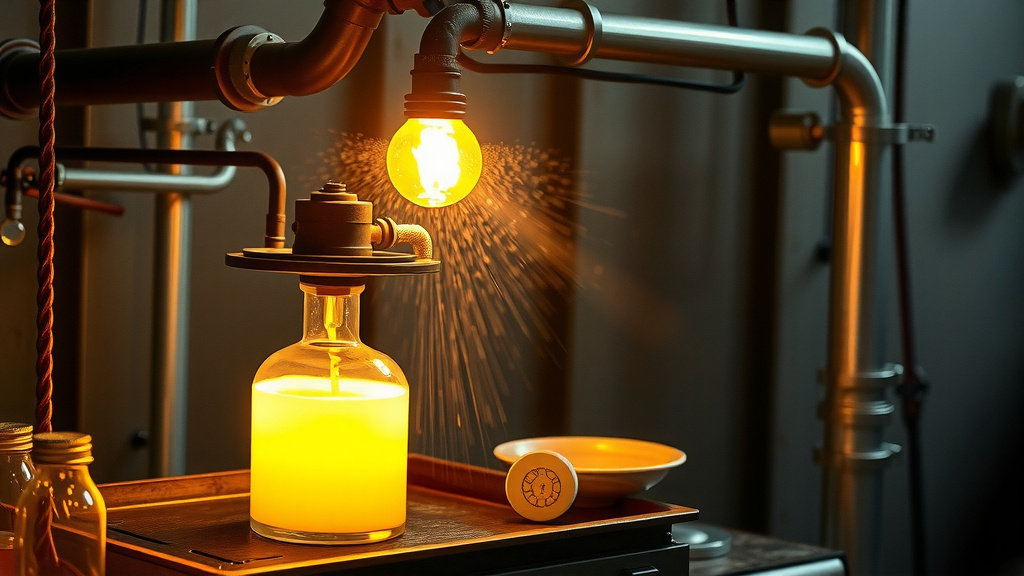
The main method used is called fractional distillation. Imagine a tall tower. Crude oil is heated and then pumped into this tower. Different parts of the oil vaporize at different temperatures. These vapors rise up the tower. As they rise, they cool and condense into different liquids. This process separates the crude oil into various fractions. Each fraction has a different boiling point range. Think of it like separating different sizes of marbles with a sieve. The lighter, more volatile parts go higher. The heavier parts stay lower.
Getting the Right Cut
Lamp oil needs a specific type of fraction. It needs to be stable and burn cleanly. This typically comes from the kerosene range of fractions. It’s not the lightest gasoline or the heaviest tar. It’s that middle ground that works best. This cut is then further treated. Lamp oil needs a specific type of fraction, typically from the kerosene range, that is stable and burns cleanly.
Purification Steps: Making It Clean and Safe
Once the desired fraction is collected, it’s not quite ready. It still contains impurities. These can cause soot, smoke, and unpleasant odors. So, further refining is needed. This often involves treating the oil with chemicals. These chemicals help remove sulfur and other unwanted compounds. Think of it like washing your hands to get rid of dirt. The oil gets cleaned up.
Removing the Unwanted Stuff
Acid washing is a common step. It uses sulfuric acid to remove compounds like sulfur and nitrogen. After the acid treatment, the oil is washed with water. Then, it might be treated with an alkaline solution. This neutralizes any remaining acid. Finally, the oil is dried. This ensures no water is left behind. Many safety guidelines recommend these steps for producing stable fuels (American Petroleum Institute).
Additives for Performance
Sometimes, small amounts of additives are included. These can help with burning properties. They might improve flow or prevent gum formation. However, for most common lamp oils, the focus is on purity. You want a fuel that burns as cleanly as possible. Too many additives can sometimes defeat the purpose.
The World of Vegetable-Based Lamp Oil
Not all lamp oil comes from the ground. You also have plant-based options. These are often called “natural” lamp oils. They offer a different experience. They are generally considered more eco-friendly. Their production process is quite different.
Sourcing the Plant Material
The most common sources are vegetable oils. Think about oils you use in your kitchen. Soybean oil is a frequent choice. Coconut oil is another. Some manufacturers might use other plant-based oils too. The key is finding an oil that can be processed. It needs to be suitable for burning without excessive smoke.
Processing and Refining Vegetable Oils
Like petroleum oils, vegetable oils also need refining. Raw vegetable oil can be thick and can clog lamps. It can also produce a lot of soot. So, it undergoes a transformation. The first step is often **degumming**. This removes gums and phospholipids. Then comes **neutralization**. This removes free fatty acids. These acids can cause unpleasant odors when burned.
Making It Burn Better
After neutralization, the oil is often bleached. This removes color pigments. It makes the oil look clearer. Then, it might be deodorized. This is done using steam under vacuum. It removes volatile compounds that cause smells. Sometimes, the oil is also filtered multiple times. This ensures a very clean product. The goal is to mimic the clean burn of petroleum-based oils.
Specialized “Paraffin” vs. Vegetable Oils
It’s worth noting the difference between common lamp oil terms. What’s often called “paraffin oil” is typically a highly refined kerosene. It comes from petroleum. It’s different from paraffin wax. Vegetable oils are their own category. They are made from plants. This distinction is important for understanding what you’re buying and burning.
A Quick Comparison Table
Here’s a simple way to see the main differences:
| Feature | Petroleum-Based Lamp Oil | Vegetable-Based Lamp Oil |
|---|---|---|
| Source | Crude Oil | Soybeans, Coconut, etc. |
| Primary Process | Fractional Distillation & Chemical Refining | Extraction & Chemical/Physical Refining |
| Odor | Generally Odorless when refined | Can have a slight natural odor, but usually deodorized |
| Soot Production | Low when properly refined | Can be low, but depends on processing |
| Environmental Impact | Fossil fuel based | Renewable resource based |
What to Look for When Buying Lamp Oil
Now that you know how it’s made, what should you keep in mind? You want a lamp oil that burns safely and cleanly. Here’s a quick checklist:
- Check the Label: It should clearly state if it’s petroleum-based or vegetable-based.
- Look for “Odorless”: This is usually a sign of good refining.
- Consider Smokeless Claims: Good refining leads to less smoke.
- Safety First: Always buy from reputable sources.
- Match to Your Lamp: Some lamps work better with specific oil types.
Conclusion
You’ve now seen how lamp oil, whether from petroleum or plants, undergoes a careful refining process. From crude oil’s fractional distillation to vegetable oils’ degumming and deodorizing, the goal is always a clean, safe, and pleasant burning fuel. Understanding these steps helps you make informed choices about the light that fills your home. Next time you choose a lamp oil, consider its journey from raw material to the beautiful glow it provides. Take a moment to appreciate the science behind that simple flame. You’ve now seen how lamp oil is made, and you might be interested in comparing oil lamps to other lighting options.
Frequently Asked Questions
Can you make lamp oil at home?
Making lamp oil at home is generally not recommended. The refining processes, especially for petroleum-based oils, require specialized equipment and safety protocols to remove impurities and ensure safe burning. Improperly refined oils can be dangerous, producing excessive smoke, soot, or even posing fire risks.
Is petroleum-based lamp oil better than vegetable-based?
Neither type is definitively “better”; they offer different advantages. Petroleum-based lamp oil, like highly refined kerosene, is typically very clean-burning and odorless. Vegetable-based oils are a renewable resource and can be a good choice if you prefer natural products, though their burning characteristics can vary more depending on the specific processing.
What makes lamp oil odorless?
The odorless quality of good lamp oil comes from thorough purification. For petroleum-based oils, this involves removing sulfur and other volatile compounds through processes like acid washing and steam stripping. For vegetable oils, deodorizing steps using steam under vacuum remove scent-causing compounds.
Why does some lamp oil produce more smoke than others?
Smoke production is directly related to the purity of the fuel. If a lamp oil hasn’t been adequately refined, it may contain impurities like unburned hydrocarbons or fatty acids. These incomplete combustion byproducts lead to more soot and smoke. Choosing a high-quality, well-refined oil minimizes this issue.
Is “paraffin oil” the same as lamp oil?
Often, what is sold as “paraffin oil” for lamps is actually a highly refined kerosene, which is petroleum-based. True paraffin wax is a different substance entirely, used for candles. So, while “paraffin oil” is a type of lamp oil, it’s important to know it’s derived from petroleum, not plants.