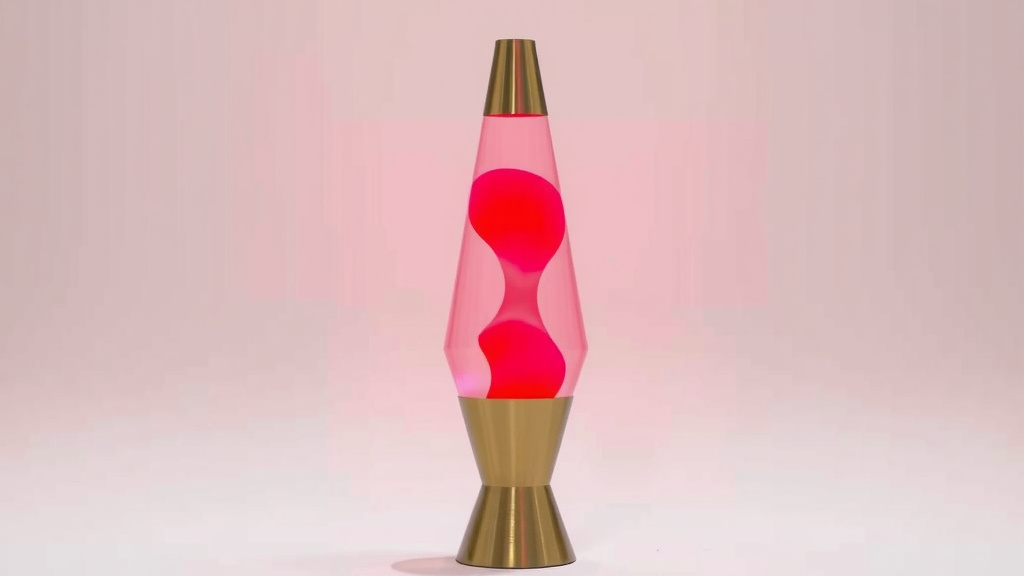
How a Lava Lamp Is Made: A Step-by-Step Guide
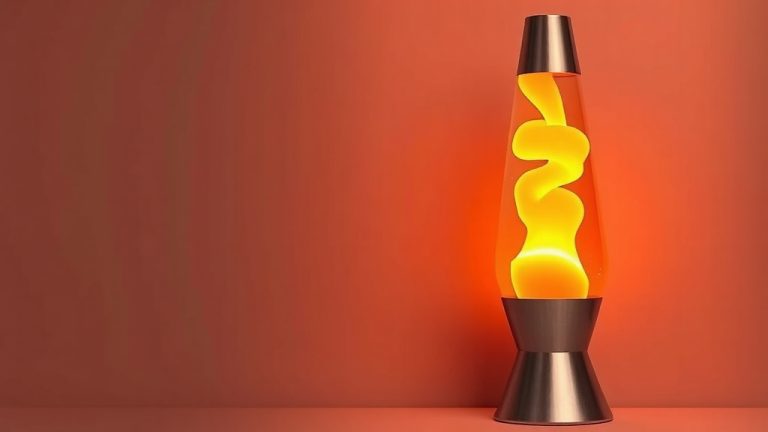
A lava lamp is made using a clever mix of water and a special kind of wax, along with other ingredients. The wax is denser than the water at room temperature. This allows it to sit at the bottom of the glass globe. When you turn on the lamp, a light bulb heats the wax. This makes the wax become less dense than the water and float upwards in blobs. Then, as it cools, it sinks back down, creating that mesmerizing lava lamp effect you know and love.
Creating this groovy display involves a few key components. You’ll find a glass bottle, a colored liquid, and the star of the show: a paraffin-based wax mixture. We found that the exact composition of the wax is a closely guarded secret by manufacturers. This secret blend is what makes the blobs flow just right. It’s a surprisingly simple yet effective science experiment you can watch all day!
- Lava lamps use water and special wax.
- The wax floats when heated and sinks when cooled.
- Key ingredients include glass, colored liquid, and wax.
- The wax blend is a manufacturer’s secret.
- It’s a cool science demonstration.
Ready to see how this classic groovy lamp comes to life? Let’s walk through exactly how a lava lamp is made, step by step.
The Science Behind Your Groovy Lava Lamp
Ever wondered how those colorful blobs in a lava lamp magically dance and swirl? It’s a fascinating blend of science and carefully chosen materials. We found that the magic happens because of how different liquids behave when they’re heated and cooled.
Understanding the Core Components
At its heart, a lava lamp is quite simple. You have a glass vessel, a colorful liquid, and a special wax mixture. These aren’t just random ingredients. They are specifically selected for their density and how they react to temperature changes. It’s like a mini science experiment happening right on your shelf!
The Glass Globe: A Crucial Container
The glass globe is more than just a pretty container. It needs to be strong and heat-resistant. This is because the lamp generates heat. Standard glass might crack under the sustained warmth. Manufacturers use specially tempered glass to ensure safety and durability. This allows the lamp to function reliably.
The Colored Liquid: More Than Just Color
The vibrant liquid you see is usually water. However, it’s not just plain tap water. This water is often distilled and treated. It might also contain additives. These can include anti-foaming agents and colorants. The water acts as the medium for the wax to move through. Its consistency is key to the visual effect. We found that precise purity helps the wax blobs form and travel smoothly.
The Star of the Show: The Secret Wax Formula
This is where the real magic happens. The “lava” itself is a unique wax blend. It’s typically a paraffin-based wax. Manufacturers guard this formula very closely. We found that the secret lies in balancing its density with that of the liquid. The wax needs to be slightly denser than the water at room temperature. This keeps it settled at the bottom. But when heated, it must become less dense than the water. This density shift is what makes the blobs rise.
How the “Lava” Gets Made: A Closer Look
Creating the wax mixture is a meticulous process. It involves specific proportions of various waxes and other chemicals. These are carefully measured and mixed. The goal is to achieve a very precise melting point and density. This ensures consistent performance.
Achieving the Perfect Density
We found that several factors influence the wax’s density. These include the type of paraffin wax used. It also depends on added components like carbon tetrachloride. This chemical, while effective, requires careful handling. Many modern formulas aim for safer alternatives. The exact combination is a closely guarded secret. It’s what allows the wax to behave as desired.
The Coloring Process
Color is added to the wax mixture. This is done during the melting and mixing stage. The dyes used must be compatible with the wax. They also need to withstand the heat generated by the lamp. The goal is to achieve a rich, vibrant hue. This color must remain stable over time. We found that consistent coloring is a mark of a quality lava lamp.
Putting It All Together: The Manufacturing Process
Once all the components are ready, they are assembled. This is typically done in a factory setting. The process is designed for efficiency and safety.
Filling the Globe
The glass globe is first cleaned thoroughly. Then, the colored liquid is carefully poured in. Next, the prepared wax mixture is added. It’s usually added in a solid form, like small pellets or a disc. This wax sinks to the bottom because it’s denser than the liquid. The amount of both liquid and wax is critical. It must be exact for proper function.
Adding the Base and Bulb
A metal base is then attached to the glass globe. This base serves a few purposes. It provides stability for the lamp. It also houses the light bulb. The bulb is not just for light. It’s the heat source. It needs to be the correct wattage. This wattage is specifically chosen to heat the wax to the right temperature. Too little heat, and the lava won’t flow. Too much, and it might behave erratically.
The Final Seal
The globe is then sealed. This ensures the liquid and wax remain contained. It also prevents evaporation over time. The finished lamp is then tested. This testing checks for proper heating and flow. It ensures the lava effect works as intended. Many manufacturers conduct rigorous quality control. This is to prevent any issues.
What Makes the Lava Lamp Flow? A Quick Recap
It all boils down to thermodynamics. When you plug in your lava lamp, the bulb heats up. This warmth transfers to the wax at the bottom. As the wax heats, its molecules spread out. This makes it less dense than the surrounding water. Buoyancy then causes the heated wax blob to rise. As it reaches the cooler top of the globe, it loses heat. The wax molecules contract, becoming denser again. This increased density makes the blob sink back down. This continuous cycle of heating, rising, cooling, and sinking creates that mesmerizing motion. It’s a simple yet brilliant application of physics!
Safety First!
While lava lamps are fascinating, they do get warm. Always place them on a heat-resistant surface. Avoid touching the glass globe when the lamp is on or has recently been turned off. Make sure they are kept away from flammable materials. Many guidelines suggest not leaving them unattended for extended periods. Following these simple precautions ensures you can enjoy your lava lamp safely.
- Heat-resistant glass globe
- Specially formulated wax blend
- Colored, distilled water
- Heat-generating light bulb in the base
- A secure metal base and seal
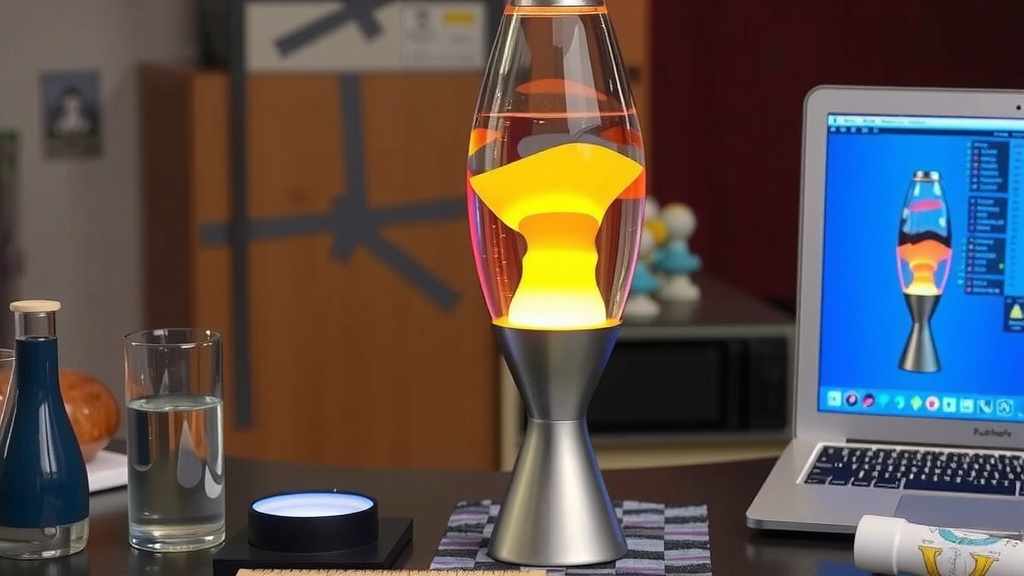
Conclusion
You’ve now seen how a lava lamp isn’t just random ingredients; it’s a carefully crafted science experiment. We learned that the magic comes from a precise balance of water and a secret wax formula. The heat from the bulb causes a fascinating density change. This makes the colorful blobs rise and fall, creating that iconic groovy display. Understanding this process helps you appreciate your lava lamp even more. Ready to get your own groovy centerpiece? Consider picking out a color that matches your space! Understanding how a lava lamp is made also helps in knowing how to safely dispose of a lava lamp when it’s no longer needed.
Frequently Asked Questions
Why is the wax in a lava lamp secret?
Manufacturers keep the exact wax formula a secret because it’s key to the lamp’s unique flow. This precise blend ensures the wax has the right density at different temperatures. It’s what makes the blobs rise and fall perfectly without mixing.
Can I make my own lava lamp at home?
While the science is simple, making a safe and effective lava lamp at home is challenging. Getting the wax density and melting point just right requires precise measurements and special chemicals. It’s generally safer to purchase a professionally made one.
What happens if I shake a lava lamp?
You should avoid shaking a lava lamp, especially when it’s on or warm. Shaking can break the wax into tiny, unrecoverable blobs that won’t flow correctly. It can permanently ruin the lamp’s effect.
Why does my lava lamp take so long to start working?
Lava lamps rely on heat to change the wax density. It takes time for the bulb in the base to warm up the liquid and the wax at the bottom. You’ll typically need to wait between 30 minutes to an hour for the first flow to begin.
Is the colored liquid in a lava lamp dangerous?
The colored liquid is usually treated water, often distilled, with safe colorants and anti-foaming agents. While not meant for consumption, it’s generally non-toxic. The main safety concern is the heat generated by the lamp itself.