How an Incandescent Lamp Works: The Science of Light
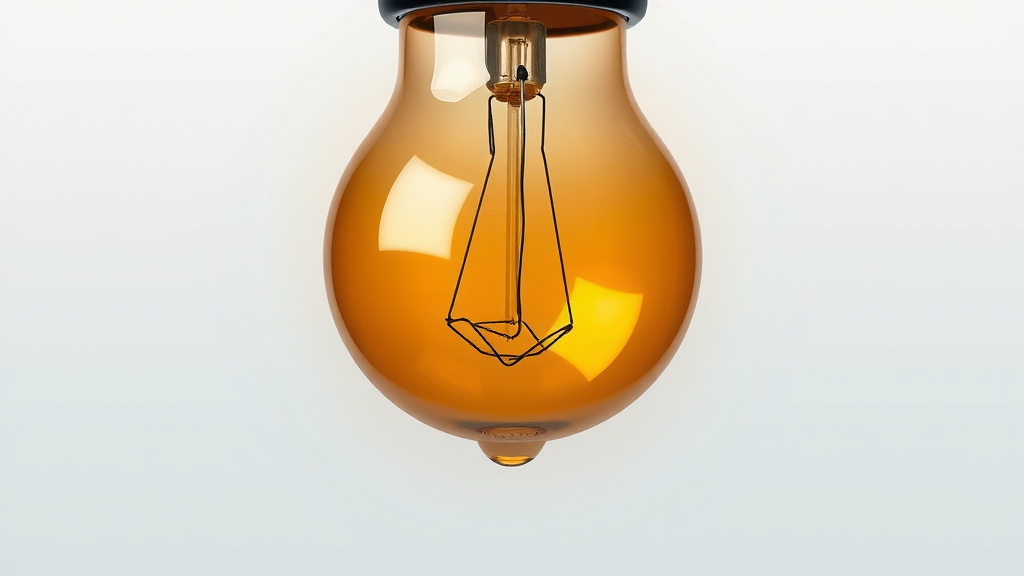
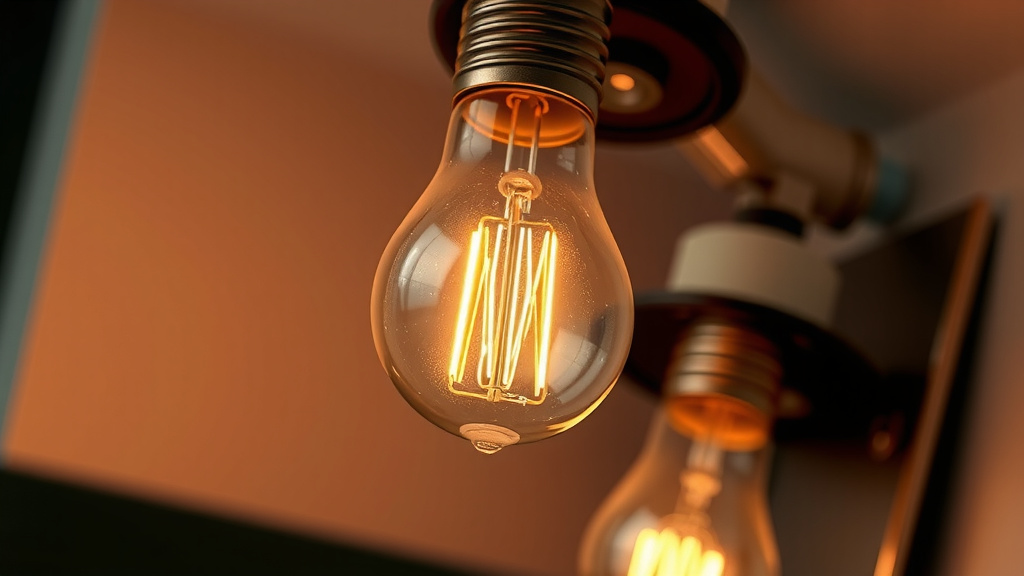
An incandescent lamp works by heating a thin wire filament until it glows and produces light. This filament is typically made of tungsten, a metal that can withstand very high temperatures without melting. The glass bulb around the filament is often filled with an inert gas or a vacuum to prevent the filament from burning up too quickly.
You might be surprised to learn how much heat is involved in creating that simple light. While they are a familiar sight in many homes, incandescent bulbs are actually quite inefficient at producing light. Most of the energy they use is lost as heat, which is why they can feel warm to the touch.
- Incandescent bulbs create light by heating a filament.
- Tungsten is the common material for the filament.
- The bulb contains gas or a vacuum.
- They are not very energy efficient, losing much power as heat.
Let’s break down precisely how this classic light bulb design manages to get its glow, and what makes it unique.
How Incandescent Bulbs Actually Produce Light
You’ve probably used them for years. But how do these simple bulbs get their glow? It all starts with a tiny wire. This wire gets super hot. When it gets hot enough, it starts to glow. This glowing wire is what you see as light.
The Magic of the Filament
The heart of an incandescent bulb is its filament. This is a very thin wire. It’s usually made of a metal called tungsten. Why tungsten? Well, tungsten has an incredibly high melting point. This means it can get very, very hot without melting away. Imagine heating a regular wire until it glows – it would melt almost instantly. Tungsten can handle the heat needed for light.
Heating Things Up: The Process of Incandescence
So, how does this heating process work? It’s all about electricity. When you flip a switch, electricity flows through the filament. The filament has resistance. This resistance causes it to heat up. As the temperature rises, the filament starts to emit light. This is called incandescence. It’s the same principle as heating metal until it glows red-hot, then orange, then yellow, and finally white-hot.
Why Tungsten? A Closer Look
Tungsten is key for a few reasons. It can be drawn into very fine wires. This thinness is important for heating up quickly. Also, tungsten has a very high melting point, around 6,192 degrees Fahrenheit (3,422 degrees Celsius). This allows the filament to reach temperatures of about 4,500 degrees Fahrenheit (2,500 degrees Celsius) to produce light (General Electric). Without tungsten, this type of bulb wouldn’t be practical.
The Role of the Glass Bulb
The glass bulb isn’t just for show. It serves a vital purpose. It encloses the filament. Without the bulb, the hot filament would be exposed to oxygen in the air. Oxygen would cause the filament to burn up very quickly, like a match. So, the bulb protects the filament. It helps the bulb last much longer.
Vacuum or Inert Gas? Protecting the Filament
Inside the bulb, there’s usually either a vacuum or an inert gas. A vacuum means all the air has been removed. This prevents oxidation. An inert gas, like argon or nitrogen, also prevents oxygen from reaching the filament. Many experts say that using inert gas helps slow down the evaporation of tungsten from the filament. This evaporation is what eventually causes the filament to break. So, the gas helps the bulb last longer.
The Evaporation Problem and How It’s Slowed
Even with protection, tungsten does slowly evaporate from the hot filament. Over time, the filament gets thinner. It can also lead to blackening on the inside of the glass bulb. This is why older incandescent bulbs would eventually dim and fail. Research has shown that filling the bulb with specific inert gases at the right pressure can help. It can even reduce the rate of filament thinning.
What Happens When the Filament Breaks?
When the filament gets too thin or a weak spot develops, it breaks. This breaks the electrical circuit. Electricity can no longer flow through the filament. When the circuit is broken, the filament stops heating up. And when it stops heating up, it stops glowing. That’s why the bulb goes out. If you could see inside a broken bulb, you’d see the gap where the filament snapped.
Understanding Incandescent Bulb Efficiency (or Lack Thereof)
We’ve talked about how they work, but what about how well they work? You might have noticed these bulbs get quite warm. That heat is a big clue about their efficiency. Most of the energy they use isn’t turned into light. It’s turned into heat.
The Energy Conversion: Light vs. Heat
An incandescent bulb is like a tiny space heater that also happens to produce light. Researchers estimate that only about 5% to 10% of the electrical energy consumed by an incandescent bulb is converted into visible light. The rest, a whopping 90% to 95%, is released as heat. This is why touching an old incandescent bulb shortly after turning it off can be painful! The U.S. Department of Energy highlights this inefficiency as a reason to move toward more energy-saving options.
Why So Much Heat?
The process of incandescence itself is inherently inefficient for producing light. To make something glow brightly, you need to heat it to very high temperatures. At those temperatures, a lot of energy is simply radiated away as infrared heat, not visible light. Think about a toaster element – it glows red, but its main job is to toast your bread with heat, not to illuminate your kitchen.
Comparison with Modern Lighting Technologies
When you compare incandescent bulbs to newer technologies like LEDs (Light Emitting Diodes) or CFLs (Compact Fluorescent Lamps), the difference is stark. LEDs, for instance, can convert a much larger percentage of electricity into light. Many sources show LEDs can be up to 80% more efficient than incandescents. This means for the same amount of light, an LED uses far less electricity.
The Cost Factor: Upfront vs. Long-Term
While incandescent bulbs are often cheaper to buy initially, their inefficiency costs you more in the long run. The higher electricity bills add up quickly. Plus, they don’t last as long as LEDs, meaning you buy replacements more often. It’s like buying a cheap tool that breaks right away versus a slightly more expensive one that lasts for years.
| Bulb Type | Energy to Light Conversion | Energy to Heat Conversion | Lifespan (Hours) |
|---|---|---|---|
| Incandescent | 5-10% | 90-95% | 750-1,000 |
| CFL | 20-30% | 70-80% | 8,000-10,000 |
| LED | 70-80% | 20-30% | 15,000-25,000+ |
Key Takeaways for Your Incandescent Bulbs
- The filament heats up and glows.
- Tungsten is used for its high melting point.
- The bulb protects the filament from air.
- Incandescent bulbs lose most energy as heat.
- Modern bulbs are much more energy efficient.
Conclusion
You’ve learned how the humble incandescent bulb produces light: by heating a thin tungsten filament until it glows. We’ve seen how the glass bulb and inert gas protect this delicate filament. While effective for years, this process is quite inefficient, converting most energy into heat rather than light. You now understand why these bulbs feel warm and cost more to run. Considering this, it’s a great time to think about upgrading your lighting. Explore energy-efficient LED options for your home to save money and reduce energy waste.
Frequently Asked Questions
Why do incandescent bulbs get so hot?
Incandescent bulbs produce light through a process called incandescence, which requires heating a filament to extremely high temperatures. Most of the electrical energy supplied is converted into infrared radiation, which we feel as heat, rather than visible light. This inherent characteristic makes them very inefficient light sources.
What happens if I use an incandescent bulb with no gas inside?
If an incandescent bulb had no gas and was just a vacuum, the tungsten filament would burn out much faster. Oxygen in the air would quickly react with the hot filament, causing it to oxidize and break. The vacuum or inert gas inside the bulb prevents this rapid burning and extends the filament’s life.
Can I repair a broken filament in an incandescent bulb?
No, repairing a broken filament is not practical or possible for a typical user. The filament is extremely thin and fragile, and it operates at very high temperatures. Once the filament breaks, it creates an open circuit, stopping the flow of electricity and rendering the bulb inoperable.
Why are incandescent bulbs being phased out?
Incandescent bulbs are being phased out primarily due to their low energy efficiency. They waste a large amount of electricity as heat, contributing to higher energy bills and increased environmental impact. Modern alternatives like LEDs are much more energy-efficient and last longer, offering better value over time.
How does the blackening on the inside of an old bulb happen?
The blackening on the inside of an old incandescent bulb occurs as the tungsten filament slowly evaporates over time due to the high heat. These evaporated tungsten particles then deposit onto the inner surface of the glass bulb, causing it to appear dark or discolored.