How Hot Does a Red Heat Lamp Get?
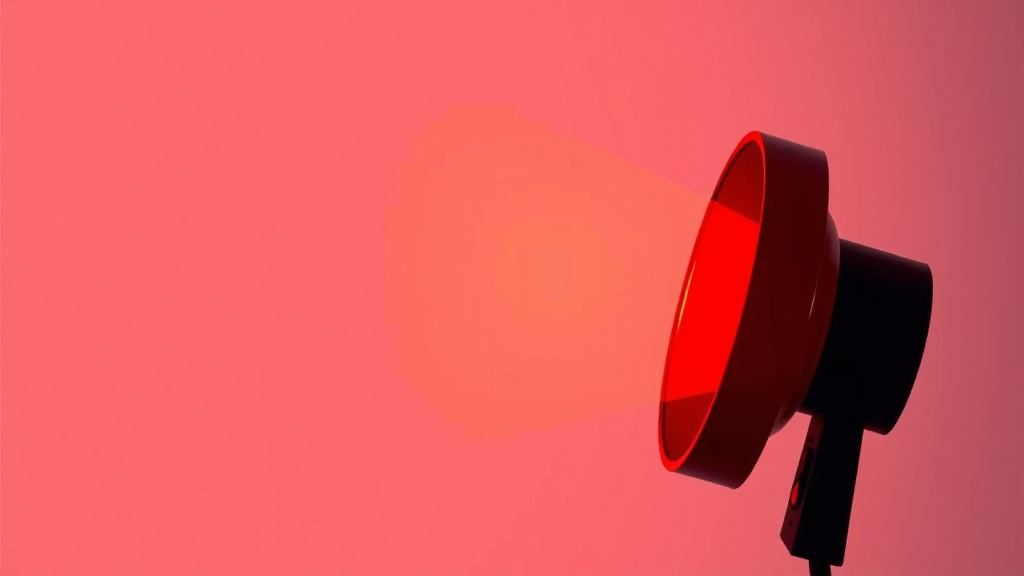
A red heat lamp can get very hot, typically reaching temperatures between 200°F and 400°F (93°C to 204°C). The exact temperature depends on the bulb’s wattage and design. These lamps are designed to generate intense heat, not just light.
You might be wondering if your heat lamp is functioning correctly or if it’s too hot for your needs. Understanding the operating temperature is key for safe and effective use, whether for warming food or providing therapeutic heat. Many factors influence how hot your specific red heat lamp gets.
- Red heat lamps are designed to be very hot.
- Temperatures usually range from 200°F to 400°F.
- Wattage and bulb design affect the heat output.
- Safety is important when using these high-heat devices.
Below, we’ll break down the typical temperatures you can expect from a red heat lamp and what influences that heat.
So, you’ve got a red heat lamp and you’re wondering just how hot it actually gets. It’s a fair question! These lamps aren’t your typical light bulbs. They’re built to generate serious warmth. We found that most red heat lamps will deliver temperatures well into the hundreds of degrees Fahrenheit.
Understanding Your Red Heat Lamp’s Temperature Range
You can generally expect your red heat lamp to reach temperatures between 200°F and 400°F (93°C to 204°C). This isn’t a small range, and it means the bulb is working hard to produce that heat. It’s designed to radiate warmth, not just a soft glow. Think of it like a mini-furnace for a specific spot.
What Determines the Heat Output?
Several factors play a role in the final temperature your lamp reaches. It’s not a one-size-fits-all situation. The most direct influences are the wattage of the bulb and its specific design.
The Role of Wattage
Just like with any appliance, higher wattage usually means more power. More power translates directly to more heat. A 250-watt bulb will naturally get hotter than a 100-watt bulb of the same type. We found that wattage is often the first thing to check if you need more or less heat.
Bulb Design and Materials
The way the bulb is constructed matters too. The type of filament used, the thickness of the glass, and even the coating on the bulb can affect how efficiently heat is generated and radiated. Some bulbs are designed for a more concentrated heat beam, while others spread it out.
Comparing Heat Lamp Types
It’s helpful to know that not all heat lamps are the same, even if they look similar. Red heat lamps are just one type. Others, like clear heat lamps or ceramic heat emitters, can have different temperature profiles and purposes. Red heat lamps are just one type. Others, like clear heat lamps or ceramic heat emitters, can have different temperature profiles and purposes.
Red vs. Clear Heat Lamps
Red heat lamps often use a red-tinted glass or coating. This helps filter out some visible light, making them less disruptive, especially in environments where constant light might be an issue (like for certain animals). However, the heat output is generally comparable to clear bulbs of the same wattage. We found that the color is more about light disruption than temperature difference.
Ceramic Heat Emitters
Ceramic heat emitters are a different beast altogether. They don’t produce any light, only infrared heat. While they can get very hot, their temperature curve might be more gradual. They are excellent for providing consistent, all-day heat without interfering with day/night cycles.
Factors Beyond the Bulb Itself
Once you’ve considered the bulb, other elements in your setup can influence how hot the area under the lamp becomes. You might be surprised how much these external factors matter!
Distance from the Heat Source
This is perhaps the most critical factor for safe use. The closer you are to the heat lamp, the more intense the heat will feel. Think about standing close to a campfire versus standing further away. The difference is dramatic. Guidelines from animal husbandry experts, for instance, often stress maintaining a specific distance to avoid burns (ASPCA).
Creating a Temperature Gradient
For many applications, especially with pets, you don’t want the entire space to be scorching hot. You want a temperature gradient. This means having a hot spot directly under the lamp and cooler areas further away. This allows the subject to move to a more comfortable temperature as needed. This is a key principle in providing a suitable environment.
Environmental Conditions
The room temperature and airflow around your heat lamp can also play a part. If the room is already warm, the lamp might not need to work as hard, or conversely, the heat might dissipate faster. Drafts can certainly cool things down quickly.
Room Temperature Influence
In a cold room, the heat lamp will appear to work harder and create a more noticeable hot spot. In a warm room, the same lamp might feel less intense. We found that ambient temperature is a silent but effective modifier of the heat lamp’s effect.
Airflow and Ventilation
Good ventilation is important for safety, preventing overheating of the fixture and surrounding materials. However, excessive airflow directly beneath the lamp can blow the heat away, reducing its effectiveness. It’s a balancing act.
Safety First: Using Your Hot Lamp Responsibly
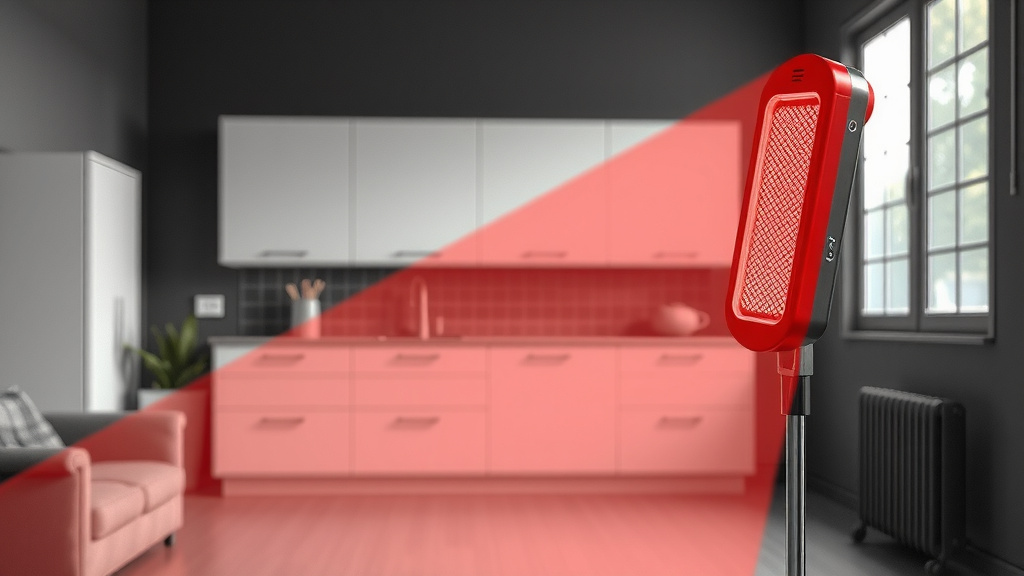
Given these temperatures, safety is absolutely non-negotiable. These aren’t lamps you can casually touch or place too close to flammable materials. Proper precautions are essential.
Protective Fixtures and Guards
Always use your heat lamp in a suitable fixture designed for high heat. Many lamps come with or require a protective cage or guard. This prevents accidental contact with the hot bulb and protects the bulb from damage. Many safety organizations recommend these guards for any heat-producing appliance (Consumer Product Safety Commission).
Regular Checks are Key
It’s a good idea to regularly check the temperature of the area under the lamp with a thermometer. This ensures it’s within the safe and desired range. Also, periodically inspect the lamp and its cord for any signs of wear or damage. Early detection can prevent accidents.
To make sure you’re using your heat lamp safely and effectively, consider this quick checklist:
- Always use a proper, heat-rated fixture.
- Ensure a protective cage or guard is in place.
- Keep flammable materials far from the lamp.
- Monitor the temperature directly under the lamp.
- Check the lamp and cord for damage regularly.
- Maintain a safe distance between the bulb and what you’re heating.
Conclusion
You’ve learned that your red heat lamp is designed to get quite hot, often between 200°F and 400°F. Wattage and bulb design are primary drivers of this heat, but factors like distance and room temperature also play a role. Remember that safety is key, so always use protective fixtures and keep flammable items far away. Now that you understand your lamp’s capabilities and limitations, you can use it more effectively and safely. Your next step should be to check the setup you have in place and make any adjustments needed for optimal performance and security.
Frequently Asked Questions
Can a red heat lamp be too hot for a pet?
Yes, a red heat lamp can absolutely be too hot for a pet if placed too close. It’s essential to create a temperature gradient, allowing your pet to move away from the heat source if they get too warm. Always monitor the temperature directly under the lamp with a thermometer.
How far away should a red heat lamp be from what it’s heating?
The ideal distance varies based on the lamp’s wattage and what you’re heating. For general purposes, we found that starting with at least 12 inches (about 30 cm) is a good baseline. Always check the temperature directly beneath the lamp to ensure it’s safe and effective for your specific needs.
Do red heat lamps produce more heat than clear heat lamps?
Generally, no. The red tint on a heat lamp primarily affects the visible light it emits, making it less disruptive. The heat output is usually very similar to a clear bulb of the same wattage and design. The color is more about the light quality than the heat intensity.
Is it safe to leave a red heat lamp on all night?
Whether it’s safe depends on the setup and what’s being heated. If you’re providing heat for an animal, ensure there’s a safe distance and a way for them to escape the heat. Always use a proper, heat-rated fixture and check regularly for any signs of overheating or wear on the lamp and cord.
Can I use a regular light bulb fixture for a red heat lamp?
No, you should not use a regular light bulb fixture. Red heat lamps generate much more heat than standard incandescent bulbs. You must use a fixture specifically rated for high heat and often one that includes a protective cage or guard to prevent contact with the hot bulb and surrounding materials.