Lava Lamp Temperature Explained: How Hot Is Hot Enough
Your lava lamp needs to reach a specific temperature to work its magic. Typically, a lava lamp requires a base bulb that heats the wax to around 120-140°F (49-60°C). This heat allows the denser wax to become less dense and rise. Without enough heat, the wax will stay at the bottom, and you won’t get that iconic lava flow. It’s all about the right balance of temperature and density.
Getting the temperature just right is key for that mesmerizing, slow-motion dance. If your lamp is too cold, the wax won’t melt properly. If it gets too hot, the wax might break down or behave erratically. Many factors influence how quickly a lamp heats up, including the wattage of the bulb and the surrounding room temperature. Proper heating ensures a safe and enjoyable viewing experience.
- Lava lamps need to get quite warm to function.
- Aim for a base temperature around 120-140°F.
- The bulb’s wattage and room temp affect heating time.
- Too cold, and the wax won’t move.
- Too hot, and the wax can be damaged.
Let’s dive into what makes your lava lamp bubble and flow just right.
You’ve got your lava lamp plugged in, and you’re eagerly waiting for that first blob to detach. But how hot does it actually need to get for the show to begin? It’s a common question, and the answer really boils down to science – specifically, the principles of density and heat.
Understanding Your Lava Lamp’s Heating Needs
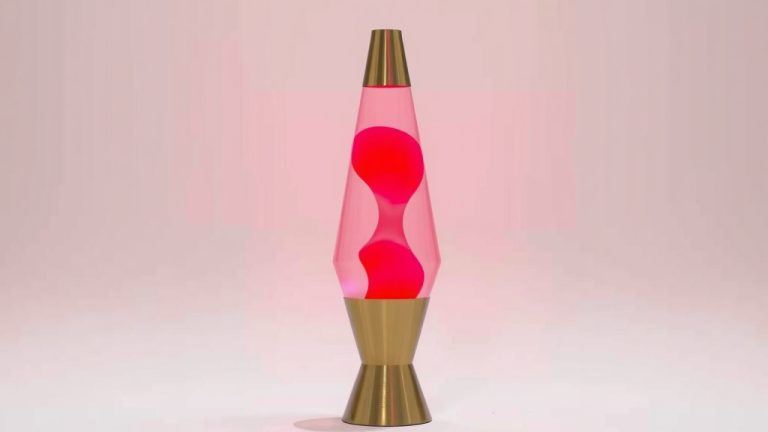
For your lava lamp to perform its signature mesmerizing flow, the wax inside needs to reach a particular temperature. This temperature range is typically between 120°F and 140°F (49°C to 60°C). This isn’t just a random number; it’s precisely calculated to make the wax behave. When heated, the wax expands slightly and becomes less dense than the surrounding liquid. This density difference is what makes those iconic blobs rise.
Think of it like a tiny, contained convection current. The heat from the bulb at the base warms the wax. As the wax warms, it becomes lighter and more buoyant, causing it to float upwards. When it reaches the cooler top of the lamp, it cools down, becomes denser again, and sinks back to the bottom. This continuous cycle is what you’re waiting for, and it all starts with that initial heat.
Why the Right Temperature is Key
If your lava lamp doesn’t get hot enough, the wax will remain too dense. It will just sit there, stubbornly at the bottom, unmoved. You might see a little shimmering, but the characteristic flow won’t happen. On the flip side, if it gets too hot, the wax can become *too* light, or worse, it can break down. This can lead to cloudy liquid or even permanently damaged wax, ruining the effect.
The liquid and wax are carefully chosen to have specific densities at different temperatures. The goal is to have the wax denser than the liquid when cool, and less dense when hot. Manufacturers spend a lot of time perfecting this formula. So, giving it the correct heat is respecting the science behind its design.
Factors Influencing Lava Lamp Heating Time
So, how long should you expect to wait? Well, that depends on a few things. It’s not an instant gratification device, but it’s usually not an all-day wait either. Most modern lava lamps take anywhere from 45 minutes to 2 hours to reach optimal operating temperature. Newer lamps might heat up a bit faster than vintage models.
The Bulb’s Wattage Matters
The wattage of the bulb in the base is a primary factor. This bulb doesn’t just provide light; its main job is to generate heat. Lava lamps typically use specialized incandescent bulbs. You’ll often see them rated around 25W or 40W. A higher wattage bulb will generate more heat, potentially shortening the warm-up time. However, you must use the correct wattage bulb specified by the manufacturer. Using one that’s too powerful can overheat the lamp, which, as we discussed, is not good.
We found that manufacturers often recommend a specific bulb type. For instance, many 14.5-inch tall lava lamps use a 25-watt bulb, while larger ones might call for a 40-watt bulb (Lava Lamp Official Website guidance). Always check your lamp’s manual or the manufacturer’s website to be sure.
Ambient Room Temperature’s Role
Don’t forget about the environment your lamp is in! The temperature of the room plays a significant role. If you have your lava lamp in a cool basement or a room with air conditioning running, it will naturally take longer to heat up. Conversely, placing it in a warmer room will help it reach operating temperature more quickly. We found that a room temperature of around 68-72°F (20-22°C) is ideal for consistent performance.
Think of it like this: if you’re trying to boil water, it takes longer if the starting temperature is 40°F than if it’s 70°F. Your lava lamp is doing a similar, albeit gentler, heating process. Avoid placing it near drafts or direct sunlight, as these can cause uneven heating.
Lamp Size and Design
The size and internal design of the lava lamp also influence heating time. Larger lamps with more wax and liquid will generally take longer to heat evenly. The thickness of the glass and the internal structure can also affect how heat is distributed. Some vintage lamps were designed with different heating elements or glass thicknesses than modern ones.
Signs Your Lava Lamp is Ready
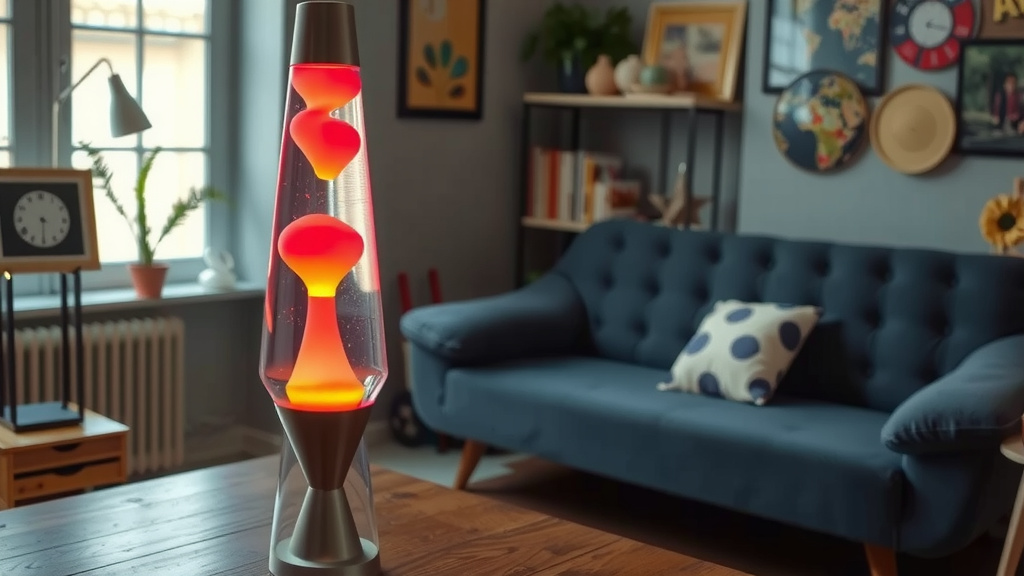
How do you know when your lamp has hit that sweet spot? You’ll see the signs! The first indication is usually the appearance of small, detached blobs of wax at the bottom of the lamp. These are the wax formations starting to get buoyant. As the lamp continues to heat, these blobs will grow larger, begin to wobble, and eventually start their journey upwards. The liquid itself might also appear clearer as the wax warms and begins to move.
What to Expect During the First Hour
For the first 30 minutes or so, you’ll likely see very little activity. The wax will start to soften and might bulge slightly. Around the 45-minute mark, you might see the first few small globules separate from the main mass at the bottom. These will likely be quite small and may sink back down. Patience is key here!
By the one-hour mark, you should start seeing more consistent movement. Larger blobs will form and begin their ascent. By the 90-minute to two-hour mark, your lava lamp should be in full swing, with a steady, mesmerizing flow of wax. The exact timing can vary, but this gives you a general idea of what to anticipate.
Troubleshooting Common Heating Issues
What if your lava lamp isn’t cooperating? Don’t despair! Many common issues can be fixed with a little troubleshooting.
Wax Not Moving At All
If, after a couple of hours, there’s still no movement, the most common culprit is the If there’s no movement after two hours, first check if the bulb is properly seated and functional.bulb. Is it the correct wattage? Is it burned out? Try replacing it with a new, manufacturer-recommended bulb. If that doesn’t work, check the room temperature. Is the lamp in a very cold environment? Try moving it to a warmer spot or using a slightly higher wattage bulb (only if recommended by the manufacturer).
Wax Moving Too Quickly or Erratic Flow
This usually means the lamp is getting too hot. If the blobs are moving super fast, breaking apart into tiny pieces, or sticking to the top, it’s likely overheated. The first step is to turn the lamp off and let it cool down completely. Ensure you are using the correct bulb wattage and that the room isn’t excessively warm. Avoid placing the lamp in direct sunlight or near heat sources like radiators or vents.
Cloudy Liquid or Separated Wax
If the liquid looks cloudy, or you see tiny wax particles suspended in the liquid, this often indicates that the lamp has been overheated for an extended period. This can sometimes damage the wax or liquid mixture permanently. The best approach here is to let the lamp cool completely. If the problem persists after cooling and with the correct bulb, the lamp might be compromised.
Checklist: Is Your Lava Lamp Heating Correctly?
- Have you waited at least 45 minutes?
- Is the correct wattage bulb installed?
- Is the room temperature within a reasonable range (68-72°F)?
- Are you seeing small blobs forming at the base?
- Are the blobs starting to rise and fall?
- Is the flow smooth and consistent, not too fast or broken apart?
Conclusion
You’ve learned that your lava lamp needs to reach a specific temperature, typically between 120-140°F (49-60°C), for its wax to flow. This temperature balance is key to creating the mesmerizing dance. Remember that the bulb’s wattage and your room’s temperature play big roles in how quickly this happens. If your lamp isn’t performing as expected, check these factors first.
Now that you understand the heating science, you can better troubleshoot and enjoy your lamp. Give your lava lamp the time and conditions it needs to perform its unique show. Happy flowing!
Frequently Asked Questions
How long does a new lava lamp usually take to heat up?
New lava lamps typically take between 45 minutes to 2 hours to reach their optimal operating temperature. This time can vary based on the bulb’s wattage and the ambient room temperature.
Can I use a different wattage bulb if mine burns out?
It’s best to always use the exact wattage bulb recommended by the manufacturer. Using a higher wattage bulb can overheat the lamp, potentially damaging the wax and liquid mixture.
What should I do if my lava lamp isn’t heating up after two hours?
If there’s no movement after two hours, first check if the bulb is properly seated and functional. Replace it with a new, manufacturer-recommended bulb. Also, ensure the room temperature isn’t too cold; try moving the lamp to a warmer location.
Is it normal for the wax to move very slowly at first?
Yes, it is completely normal for the wax to move very slowly initially. You’ll often see small, detached blobs start to form around the 45-minute mark before they begin their upward journey.
What causes the liquid in my lava lamp to turn cloudy?
Cloudy liquid often indicates that the lamp has been overheated for an extended period. This can sometimes permanently affect the wax and liquid. Letting the lamp cool down completely is the first step in troubleshooting this issue.