How a Tungsten Halogen Lamp Works Explained
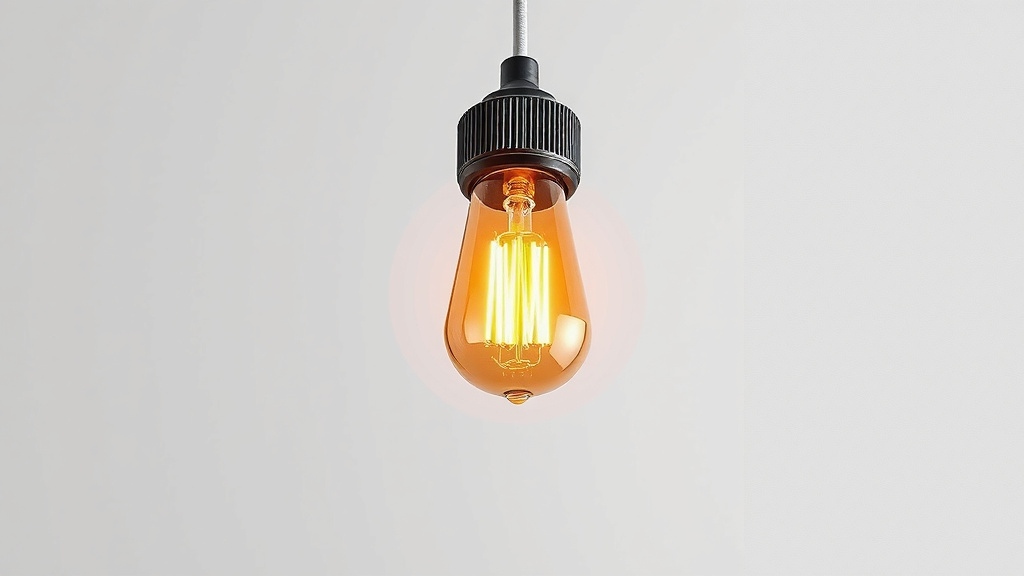
A tungsten halogen lamp works by using a tungsten filament that glows when electricity passes through it. A special gas inside the bulb, usually halogen, then recycles the evaporated tungsten back onto the filament. This process prevents the filament from darkening the bulb and allows it to burn brighter and longer than regular incandescent bulbs.
You might know these bulbs as simply “halogen bulbs.” They’re a type of incandescent light bulb but with a clever trick. The addition of a halogen gas helps maintain the filament’s integrity, leading to superior light quality and a longer lifespan compared to older, non-halogen designs. It’s a neat bit of science keeping your spaces well-lit.
- Halogen bulbs use a tungsten filament.
- A special halogen gas is key to their function.
- This gas recycles tungsten, preventing bulb blackening.
- They offer brighter light and a longer life than old bulbs.
Ready to see how this fascinating process happens step-by-step? Let’s break down exactly how your halogen lamp creates that bright, clear light you rely on.
Understanding How a Tungsten Halogen Lamp Works
So, you’ve got these bright, clear halogen bulbs in your home. Ever wondered what makes them so different from the old incandescent bulbs that used to be everywhere? It all comes down to a clever chemical reaction happening inside that little glass bulb.
The Basic Idea: Heat and Light
Just like its older incandescent cousins, a halogen lamp produces light when electricity heats up a thin wire filament. This filament is made of tungsten, a metal that can get incredibly hot without melting. When electricity zips through the tungsten, it gets so hot it glows, and that’s how you get light. Simple enough, right?
What Makes Halogen Different? The Gas Inside
Here’s where the magic happens. Inside a halogen bulb, instead of just a vacuum or inert gas, you’ll find a small amount of halogen gas. Think of gases like iodine or bromine. This gas is the secret ingredient that allows halogen bulbs to work so much better.
The Problem with Old Incandescent Bulbs
With regular incandescent bulbs, the hot tungsten filament slowly evaporates over time. This tungsten vapor then deposits onto the inside of the glass bulb. You’ve probably seen this – the bulb gets dimmer and develops a dark, sooty film. Eventually, the filament gets too thin and snaps, and the bulb burns out. It’s like a slow march towards darkness.
The Halogen Cycle Solution
Halogen gas changes this whole game. When the tungsten evaporates from the hot filament, it mixes with the halogen gas. This creates a chemical reaction. The tungsten halide vapor then floats around the bulb. When it gets close to the hot filament again, the intense heat breaks it down. This process deposits the tungsten back onto the filament. This is known as the halogen cycle.
This cycle is super important. It means less tungsten ends up on the glass, so the bulb stays clearer for longer. It also means the filament doesn’t thin out as quickly. Researchers have found this cycle can significantly extend the bulb’s life compared to non-halogen designs.
Key Components of a Halogen Bulb
Let’s break down the parts that make this whole system work.
The Tungsten Filament
This is the heart of the bulb. It’s a coil of tungsten wire. Tungsten is chosen because it has a very high melting point, around 6,190°F (3,422°C). This allows the filament to get extremely hot, producing bright light. In halogen bulbs, the filament can often be run hotter than in traditional incandescent bulbs. This results in a brighter, whiter light.
The Bulb Envelope (Glass)
The outer glass shell isn’t just for show. It needs to be made of a special material that can withstand the high temperatures and pressures inside. Standard glass would soften or even shatter. Many halogen bulbs use quartz glass or a similar heat-resistant material. This is a big difference from the softer glass used in regular incandescent bulbs.
The Fill Gas
As we talked about, this isn’t just air. It’s a carefully controlled mixture. It contains a small amount of halogen gas (like iodine or bromine) and often an inert gas, such as argon or krypton. The pressure inside the bulb is also higher than in standard incandescent bulbs. This helps push the tungsten halide vapor back towards the filament.
How the Light is Produced: Step-by-Step
Let’s trace the journey of electricity through your halogen lamp.
1. Power On: Electricity Flows
When you flip the switch, electricity flows from your home’s wiring to the bulb. It travels through the base and into the filament.
2. Filament Heats Up
The tungsten filament resists this flow of electricity. This resistance causes the filament to heat up rapidly. It gets incredibly hot, reaching temperatures around 5,000°F (2,760°C).
3. Light Emission Begins
As the filament gets hot enough, it starts to glow. This glow is visible light. The hotter it gets, the brighter and whiter the light becomes. This is why halogen bulbs often appear brighter than older bulbs.
4. Tungsten Evaporation and the Cycle
At these high temperatures, tiny amounts of tungsten begin to evaporate from the filament. This tungsten vapor mixes with the halogen gas inside the bulb.
5. Gas Chemical Reaction
The tungsten and halogen combine to form a tungsten halide compound. This compound is gaseous at bulb temperatures. It’s like a tiny, invisible chemical cloud swirling around.
6. Deposition Back onto Filament
As the tungsten halide gas circulates, it eventually comes near the hot filament again. The extreme heat causes the compound to break apart. The tungsten is deposited back onto the filament, and the halogen gas is released to repeat the cycle.
7. Preventing Bulb Blackening
Because tungsten is returned to the filament, it doesn’t build up on the glass walls. This keeps the bulb clear and prevents the dimming that plagues older bulbs. Many sources, like engineering guides, highlight this as the primary advantage.
Why Use Halogen Bulbs? The Advantages
You might be wondering, “Why go through all this trouble?” Well, the benefits are pretty clear.
- Brighter Light: The ability to run the filament hotter means more light output for the same wattage.
- Whiter Light: The light produced is closer to natural daylight. This makes colors appear more true and vibrant.
- Longer Lifespan: The halogen cycle significantly extends bulb life compared to standard incandescent bulbs. While not as long as LEDs, they last longer than their predecessors.
- Instant On: Like incandescent bulbs, they reach full brightness immediately.
- Dimmable: Most halogen bulbs can be dimmed using standard dimmer switches.
Halogen vs. Other Bulbs: A Quick Look
It’s helpful to see how they stack up.
| Bulb Type | Lifespan (Hours) | Energy Efficiency | Light Quality |
|---|---|---|---|
| Tungsten Halogen | 2,000 – 4,000 | Moderate | Bright, White |
| Incandescent (Old Style) | 750 – 1,000 | Low | Warm, Yellowish |
| CFL | 8,000 – 15,000 | High | Varies, can be less bright initially |
| LED | 15,000 – 50,000+ | Very High | Excellent, many options |
Things to Remember When Handling Halogen Bulbs
Since these bulbs get so hot and work under pressure, a few safety tips are a good idea.
- Oils from Your Skin: Never touch the glass of a halogen bulb with your bare fingers. The natural oils from your skin can create hot spots on the quartz. This can cause the bulb to fail prematurely. Always use a clean cloth or gloves.
- Proper Fixture: Make sure the fixture you use is rated for the wattage of the bulb. Overpowering a fixture can be a fire hazard.
- Heat: Halogen bulbs get very hot. Keep them away from flammable materials.
Understanding this simple, yet effective, science behind your halogen bulbs can help you appreciate the bright light they provide and keep them working safely and efficiently for you.
Conclusion
You’ve learned how your tungsten halogen lamp uses a clever halogen cycle to keep your spaces bright. By recycling evaporated tungsten back onto the filament, these bulbs avoid the blackening seen in older designs. This results in a clearer bulb and a longer life. Remember to handle them carefully, avoiding skin oils on the glass to maximize their performance. Now you can better appreciate the science behind that crisp, clear light you enjoy, knowing exactly how it works.
Frequently Asked Questions
Do all “bright white” bulbs use halogen technology?
Not necessarily. While tungsten halogen bulbs produce a bright, white light, other bulb technologies like LEDs can also offer similar color temperatures. The “bright white” characteristic is a result of the filament’s high operating temperature in halogen lamps, but modern LEDs can replicate this with different internal components.
Can I replace an old incandescent bulb with a halogen bulb?
Often, yes, you can directly replace older incandescent bulbs with halogen ones of the same base type and wattage. The halogen bulb will likely provide brighter light and last longer. Always check the fixture’s maximum wattage rating to ensure safety, as halogen bulbs can get hotter.
How does the quartz glass in halogen bulbs differ from regular glass?
The quartz glass used in halogen bulbs is much more heat-resistant than the standard glass of older incandescent bulbs. This allows the bulb to contain the higher internal pressure and temperatures generated by the halogen cycle without softening or shattering, which is essential for its operation.
Why do halogen bulbs get so hot compared to other bulbs?
Halogen bulbs need to operate at very high filament temperatures to achieve their bright, white light and to power the halogen cycle effectively. This high heat means the bulb’s surface and surrounding area will also get quite hot, so it’s important to keep flammable materials away from them.
What happens if I accidentally touch a halogen bulb with my bare hands before installing it?
If you touch a halogen bulb with bare hands, the oils from your skin can create localized hot spots on the glass envelope when the bulb is on. These hot spots can weaken the glass, potentially leading to premature failure or even causing the bulb to break. It’s best to wipe the bulb gently with a clean, dry cloth or use gloves to remove any oils.