How Light Therapy Lamps Work to Boost Your Mood
A light therapy lamp works by mimicking natural sunlight, which helps regulate your body’s internal clock, or circadian rhythm. This can boost your mood and energy levels by signaling your brain to produce serotonin and decrease melatonin. Think of it as a little burst of sunshine, especially useful when you’re not getting enough natural light.
When you sit in front of a light therapy lamp, the bright light stimulates specialized cells in your eyes. These cells then send signals to your brain’s hypothalamus. This area controls many functions, including your sleep-wake cycle and mood. The bright light exposure helps reset this internal clock, making you feel more alert during the day and sleepier at night.
- Light therapy lamps mimic natural sunlight.
- They help reset your body’s internal clock.
- This boosts mood and energy by affecting brain chemicals.
- It’s especially helpful during darker months or for shift workers.
Let’s dive into the science behind how these lamps help you feel more awake and balanced. We’ll cover the basics so you can understand how this simple tool can make a difference in your day.
Understanding How Light Therapy Lamps Work
You might be wondering about the science behind these lamps. They work by delivering bright light that closely mimics natural sunlight. This light exposure has a direct impact on your brain. It helps to regulate your body’s natural rhythms.
The Brain’s Natural Clock: Your Circadian Rhythm
Your body has an internal clock. This clock is called your circadian rhythm. It controls many of your body’s functions. This includes when you feel sleepy and when you feel awake. It also influences your mood and energy levels throughout the day.
How Light Affects Your Circadian Rhythm
Natural sunlight is the primary signal for your circadian rhythm. When light enters your eyes, it tells your brain that it’s daytime. This signals your brain to suppress the production of melatonin. Melatonin is a hormone that makes you feel sleepy. At the same time, your brain might increase the production of serotonin. Serotonin is a neurotransmitter that helps regulate mood and energy.
What Happens with Less Natural Light?
During darker months or if you work shifts, your exposure to natural light can be limited. This can disrupt your circadian rhythm. You might start to feel more tired, sluggish, and even down. Your internal clock gets a bit confused.
The Mechanics of Light Therapy Lamps
Light therapy lamps are designed to compensate for this lack of natural light. They provide a strong dose of light to your eyes. This effectively resets your internal clock. It’s like giving your brain a clear signal that it’s daytime, even if the weather outside is gloomy.
What Kind of Light Do They Use?
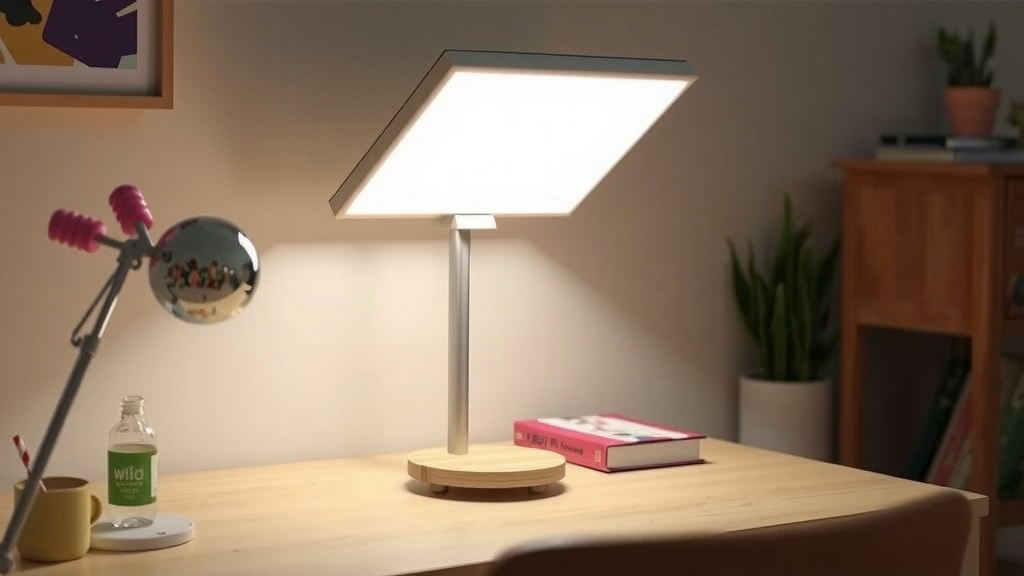
Most light therapy lamps use full-spectrum LED lights. These lights mimic the wavelengths found in natural sunlight. This is important because different wavelengths of light affect your body in different ways. The goal is to provide a light experience that is close to what you’d get from the sun.
Brightness Matters: Lux Levels
The effectiveness of a light therapy lamp is often measured in lux. Lux is a unit of illuminance. It measures how much light falls on a surface. For light therapy, a common recommendation is 10,000 lux at a specific distance. This is much brighter than typical indoor lighting. You don’t need to stare directly into the lamp. Just having it on in your peripheral vision is often enough. Many guidelines suggest sitting about 12-20 inches away from the lamp (Mayo Clinic).
Light Spectrum and UV Filtering
It’s crucial that the light from the lamp is filtered to remove harmful ultraviolet (UV) rays. UV rays from the sun can damage your skin and eyes. Reputable light therapy lamps are designed to emit light with little to no UV output. This ensures you get the benefits of bright light without the risks.
How Your Body Responds to the Light
When the light enters your eyes, it stimulates specialized cells in your retinas. These cells are called intrinsically photosensitive retinal ganglion cells (ipRGCs). These cells are particularly sensitive to blue light wavelengths. They send signals directly to a part of your brain called the hypothalamus. The hypothalamus plays a key role in regulating your sleep-wake cycles and mood (National Institutes of Health).
Impact on Serotonin and Melatonin
By signaling the hypothalamus, the bright light helps to adjust your hormone levels. It can reduce the production of melatonin, helping you feel more awake. It can also boost serotonin levels, which contributes to a better mood. Think of it as nudging your brain back into its optimal functioning state.
Who Can Benefit from Light Therapy?
Many people can find relief and improved well-being with light therapy. It’s particularly helpful for individuals experiencing the effects of reduced natural light exposure.
Seasonal Affective Disorder (SAD)
One of the most well-known uses for light therapy is treating Seasonal Affective Disorder (SAD). This is a type of depression that occurs at certain times of the year, usually in the fall and winter. The lack of sunlight during these months is thought to be a primary cause. Light therapy can effectively alleviate SAD symptoms by mimicking the brighter days of spring and summer.
Other Conditions and Situations
Beyond SAD, light therapy can also be helpful for:
- Sleep Disorders: For those with disrupted sleep patterns, like shift workers or people with jet lag, light therapy can help reset their sleep-wake cycle.
- Mood Enhancement: Even if you don’t have a diagnosed mood disorder, you might find that light therapy boosts your overall mood and energy levels during darker times.
- ADHD Symptoms: Some research suggests light therapy might help manage certain symptoms of ADHD by improving focus and alertness.
- Circadian Rhythm Sleep Disorders: This is a broad category that includes issues with your internal clock not aligning with the external day-night cycle.
Getting Started with Light Therapy: A Quick Checklist
Ready to try a light therapy lamp? Here are a few things to keep in mind:
- Consult Your Doctor: Especially if you have an existing medical condition or are taking medication.
- Choose the Right Lamp: Look for a 10,000 lux lamp with UV filtering.
- Determine Your Session Length: Start with 15-30 minutes per day.
- Find the Best Time: Morning is often recommended to avoid interfering with sleep.
- Positioning is Key: Sit at the recommended distance, not directly in your eyes.
- Be Patient: It may take a week or two to notice significant effects.
Conclusion
You now understand how light therapy lamps work by mimicking natural sunlight to reset your body’s internal clock. This simple yet powerful tool can boost your mood and energy by influencing your brain’s natural rhythms. By understanding the role of circadian rhythm, lux levels, and UV filtering, you can make an informed choice. If you’re struggling with low energy or mood, especially during darker months, consider consulting your doctor. Taking this step can help you determine if a light therapy lamp is the right addition to your wellness routine for brighter days ahead.
Frequently Asked Questions
How quickly can I expect to see results from a light therapy lamp?
It often takes about 1-2 weeks of consistent use to notice the full benefits. Start with short sessions and gradually increase the duration. Your body needs a little time to adjust and reset its natural rhythms.
Do I need to look directly into the light therapy lamp?
No, you don’t need to stare directly into the lamp. Position it so the light falls on your face without causing discomfort. Your eyes’ specialized cells can still pick up the beneficial light waves from your peripheral vision.
Can I use a light therapy lamp if I have sensitive eyes or wear contacts?
Yes, most people can use them safely. However, if you have sensitive eyes, start with shorter sessions and a slightly further distance. If you wear contacts, they generally don’t block the light, but listen to your body and adjust as needed.
What is the difference between a SAD lamp and a regular bright lamp?
SAD lamps, or light therapy lamps, are specifically designed to emit a bright, full-spectrum light at a controlled intensity (measured in lux) to mimic sunlight. Regular bright lamps might not have the correct spectrum or intensity needed for therapeutic effects and may also lack UV filtering.
Can using a light therapy lamp at night affect my sleep?
It’s generally recommended to use light therapy lamps in the morning. Using very bright light in the evening can signal your brain that it’s daytime, potentially disrupting melatonin production and making it harder to fall asleep. Stick to morning or early afternoon sessions.

![10 Best Contemporary Table Lamps [2026]](https://bestdesklamp.com/wp-content/uploads/2026/09/10-best-contemporary-table-lamps-2026-featured-768x432.jpg)
![10 Best Candle Warmer Lamp Ikea [2026]](https://bestdesklamp.com/wp-content/uploads/2026/08/10-best-candle-warmer-lamp-ikea-2026-featured-768x432.jpg)