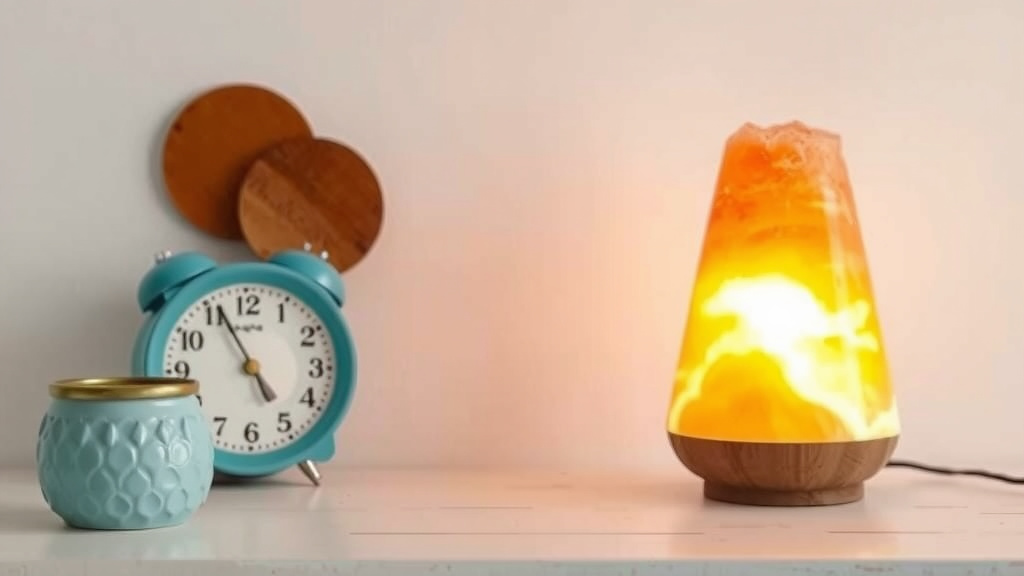
How Does a Himalayan Salt Lamp Work Explained
A Himalayan salt lamp works by using a light bulb to gently heat a large chunk of pink salt. This process causes the salt to release negative ions, which are believed to help purify the air. So, yes, your pretty pink lamp is more than just decoration; it’s a natural air purifier powered by heat and a bit of crystal magic.
Many people enjoy these lamps for their calming glow and the potential air-cleaning benefits. While scientific research on the extent of these benefits is ongoing, the simple principle of hygroscopy plays a role. Salt attracts water vapor from the air, and as the lamp heats the salt, any impurities trapped in that water vapor are thought to be released back into the air, or locked into the salt itself.
- Salt lamps work by heating salt crystals.
- This heating process releases negative ions.
- Negative ions may help clean the air.
- They also provide a warm, ambient light.
- Their function relies on salt’s natural attraction to moisture.
Let’s walk through exactly how this glowing wonder does its thing and what you can expect from it.
Understanding How a Himalayan Salt Lamp Functions
You’ve got this beautiful, glowing lamp. But how does it actually work its magic? It’s a simple process involving heat and a very special kind of salt. Think of it like a cozy, glowing humidifier, but with a crystal twist.
The Core Mechanism: Heat and Salt Interaction
At its heart, a Himalayan salt lamp works by using a low-wattage light bulb inside a hollowed-out chunk of salt. This bulb does two main jobs. First, it provides that lovely, soothing light. Second, it generates a gentle heat. This warmth is the key to everything that follows. The heat causes the salt crystal to warm up slowly and steadily.
The Role of the Light Bulb
The light bulb isn’t just for ambiance. It’s the engine driving the lamp’s function. A standard incandescent bulb is often used because it emits more heat than LED bulbs. You want enough warmth to initiate the process. The wattage is usually kept low, typically between 15-25 watts. This ensures the salt doesn’t get too hot, which could cause it to crumble over time. It’s a delicate balance, providing just enough heat for the desired effect.
What Happens to the Salt?
As the salt crystal warms, something interesting begins to happen due to a property called hygroscopy. You see, Himalayan salt, like all salt, naturally attracts water molecules from the surrounding air. It’s like a little sponge for moisture. When the lamp is on and the salt gets warm, it draws in this moisture. This is the first step in how the lamp interacts with your environment.
The Science of Hygroscopy and Air Purification
This attraction of moisture is what scientists call hygroscopy. It’s a scientific principle that explains why salt can feel damp in humid weather. Your salt lamp capitalizes on this natural tendency. The process isn’t about the salt *adding* something to the air. Instead, it’s about what happens when moisture is drawn to the salt’s surface. Many believe this is where the air-cleaning claims come into play.
How Impurities Get Involved
When water vapor from your room lands on the warm salt crystal, it’s believed to carry tiny particles with it. These particles can include dust, pollen, and even some airborne pollutants. As the water evaporates back into the air, the theory is that these trapped impurities are left behind, adhering to the salt’s surface. It’s like the salt is acting as a natural filter, capturing microscopic bits from the air. This is a key aspect of why people think these lamps purify the air.
The Negative Ion Theory
Now, let’s talk about negative ions. This is where things get a bit more theoretical. Many proponents suggest that the heating of the salt crystal releases negative ions into the air. Negative ions are naturally found in environments like beaches, waterfalls, and forests. They are thought to help neutralize positive ions, which are often associated with electronic devices and can contribute to feelings of stress or fatigue. When the salt is heated and moisture evaporates, some hypothesize that the process creates these beneficial negative ions. Research into this specific claim is ongoing and not universally agreed upon by all scientists.
| Claimed Benefit | Mechanism | Scientific Basis |
|---|---|---|
| Air Purification | Hygroscopy draws moisture, trapping pollutants. | Plausible, salt attracts water. |
| Negative Ion Release | Heat and evaporation of water. | Less established, debated in scientific circles. |
| Ambiance and Mood | Warm, soft light. | Well-supported, visual and psychological effect. |
What You Can Expect: The Practical Side
So, what does this mean for your everyday experience? You’ll definitely get that beautiful, warm glow. It creates a cozy atmosphere, perfect for winding down. Many users report feeling more relaxed when the lamp is on. The gentle light is far less harsh than typical overhead lighting. It can really change the mood of a room. This aesthetic and mood-boosting effect is undeniable.
The Humidity Factor
It’s important to note how your lamp behaves in different conditions. In very humid environments, your salt lamp might actually “sweat” or form condensation on its surface. This is just hygroscopy in action! It means the salt has absorbed a lot of moisture from the air. If you notice this happening, it’s a sign the lamp is doing its job drawing moisture. You might want to place it on a coaster or a waterproof mat just in case.
Maintaining Your Salt Lamp
Keeping your lamp clean is simple. You’ll want to dust it regularly with a dry cloth. If it feels damp or has accumulated dust, turn it off and wipe it down with a slightly damp cloth, then dry it thoroughly. It’s crucial to ensure it’s completely dry before turning it back on. Leaving a wet salt lamp on can cause it to dissolve over time. So, a little care goes a long way to keep it glowing.
A Simple Checklist for Salt Lamp Owners
Here’s a quick rundown to help you understand and enjoy your lamp:
- Understand Hygroscopy: Salt naturally attracts moisture.
- Heat is Key: The bulb provides warmth, not just light.
- Pollutant Trapping: Moisture carries particles to the salt surface.
- Negative Ions: A theorized benefit, research is ongoing.
- Ambiance: Enjoy the soothing, warm glow.
- Humidity Matters: Observe its behavior in your environment.
Conclusion
You’ve seen how your Himalayan salt lamp works its subtle magic. It’s a fascinating blend of simple physics and natural properties. The bulb’s gentle heat activates the salt’s hygroscopic nature, drawing in moisture and potentially trapping airborne particles. While the negative ion theory is still being researched, the lamp’s ability to create a warm, calming ambiance is undeniable. You can enjoy a more relaxing atmosphere in your home. To keep your lamp glowing beautifully, remember to dust it regularly and wipe it dry if it feels damp. Now that you understand its mechanics, you can truly appreciate this unique piece in your home!
Frequently Asked Questions
Do I need to keep my Himalayan salt lamp on all the time?
It’s not strictly necessary to keep your Himalayan salt lamp on constantly. While continuous use ensures a steady, gentle warmth that aids the hygroscopic process, turning it on for several hours a day is usually sufficient to enjoy its effects. Some sources suggest turning it on for at least 4-6 hours daily.
Why is my salt lamp “sweating” or wet?
If your salt lamp appears wet or is sweating, it’s a sign of its hygroscopic property in action, especially in humid environments. The salt is attracting moisture from the air. This is normal, but if it becomes excessive, you might want to place it on a coaster or mat and ensure good air circulation.
Can I use an LED bulb in my Himalayan salt lamp?
While LED bulbs are energy-efficient, they don’t produce much heat. A standard incandescent or halogen bulb is typically recommended for salt lamps because the gentle heat is essential for the lamp’s claimed functions, such as air purification and negative ion release. The heat helps evaporate the moisture drawn into the salt.
How often should I clean my Himalayan salt lamp?
You should dust your salt lamp regularly with a dry cloth to prevent build-up. If it feels damp or has accumulated grime, turn it off, wipe it with a slightly damp cloth, and then dry it completely with a soft, dry cloth before plugging it back in. Avoid harsh cleaners.
Are Himalayan salt lamps really air purifiers?
The air-purifying claims are based on the principle of hygroscopy, where the salt attracts moisture and potentially traps airborne particles. While the salt does attract moisture, the extent to which it actively purifies the air and removes pollutants is still a subject of scientific discussion and not fully proven for significant air cleaning.




![10 Best Cheap Lamp Shades [2026]](https://bestdesklamp.com/wp-content/uploads/2026/08/10-best-cheap-lamp-shades-2026-featured-768x432.jpg)