How Candle Warming Lamps Work: A Quick Guide
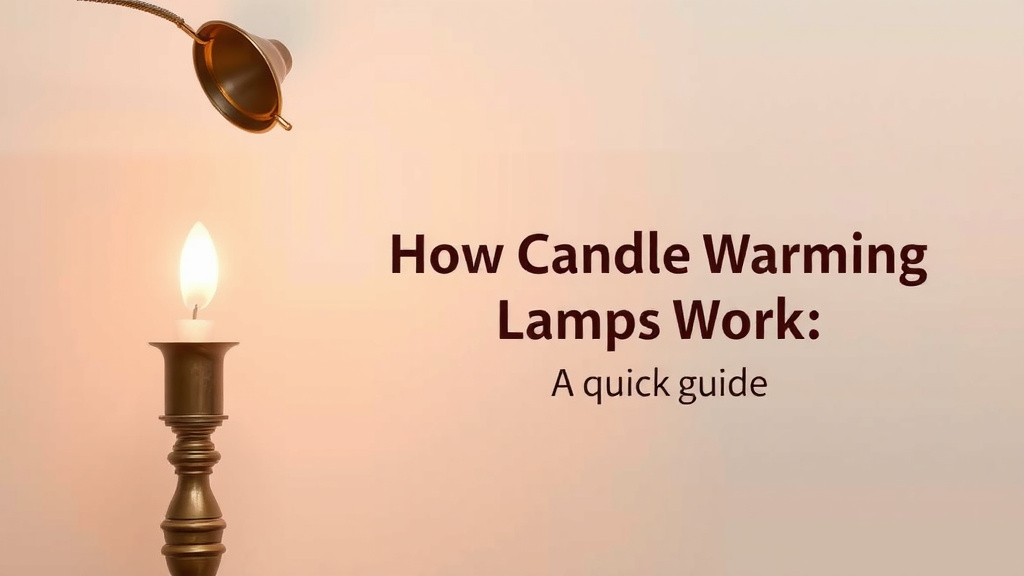
A candle warming lamp works by using a heat source to melt the wax from the top down. This is achieved through a light bulb or heating element that gently warms the surface of your candle. You get all the wonderful scent without any an open flame, which is a This is achieved through a light bulb or heating element that gently warms the surface of your candle, and this explains what a candle warmer lamp does.safer way to enjoy your favorite fragrances.
Unlike traditional burning, a candle warmer lamp provides a consistent heat. This method helps preserve the candle’s scent for longer. Many people prefer this method for its convenience and safety, especially in homes with pets or children.
- Candle warmers use heat, not flame.
- A bulb or heating element melts the wax.
- This releases fragrance more gradually.
- It’s a safer alternative to burning candles.
- Enjoy your favorite scents longer.
Let’s walk through exactly how these handy devices bring fragrance into your home, step by step.
Understanding How Candle Warming Lamps Work
You’re probably curious about how these lamps make your home smell amazing without a single flame. It’s actually quite straightforward! A candle warming lamp, sometimes called a wax melt warmer or a candle melter, uses a gentle heat source. This heat is applied to the top of your candle. The goal is to melt the wax. This process releases the fragrance into the air. It’s a brilliant way to enjoy scented candles safely. We’ll break down the mechanics for you.
The Core Mechanism: Gentle Heat Application
At its heart, a candle warming lamp is all about controlled heat. It doesn’t involve combustion like a traditional candle. Instead, it relies on a heating element. This element is designed to slowly and evenly warm the wax. Think of it like a very gentle, focused oven for your candle’s wax. This controlled melting is key to how it operates.
Types of Heating Elements
Most candle warmers use one of two main heating methods. Both achieve the same result: melting wax. They differ in how they generate that heat. Understanding these differences can help you appreciate the technology behind your favorite scents.
Incandescent Light Bulbs
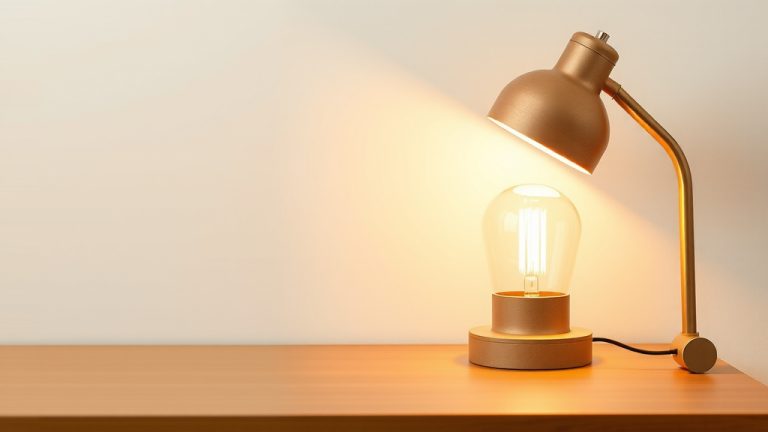
Many warmer lamps use a standard light bulb. This bulb is positioned directly above the candle. The heat generated by the filament as it glows warms the candle’s surface. This is a common and effective method. It’s been used for years in many warmer designs. The intensity of the bulb can affect melting speed. Brighter bulbs tend to melt wax faster.
Heating Plates or Coils
Other warmers feature a heating plate or coil. This element is typically at the base of the warmer. Your candle sits directly on this plate. The plate then transfers heat upwards to melt the wax. These can be very efficient. They often provide a very consistent temperature. This helps ensure even melting. It’s a design choice that many appreciate for its simplicity.
The Melting Process Explained
Once the heat source is active, the magic begins. The heat is applied to the wax. This causes the wax to liquefy from the top down. As the wax melts, it exposes the fragrant oils suspended within it. These oils are volatile. They then evaporate into the air. This is what creates the scent you enjoy. It’s a gradual release. It’s unlike the rapid release you get from an open flame.
The Science of Scent Release
Why does melting wax release scent? It all comes down to thermodynamics and chemistry. Fragrance oils are made of volatile organic compounds (VOCs). These compounds have a lower boiling point than wax. When heated, they turn into a gas. This gas then disperses into your room. A candle warmer provides just enough heat for this to happen. It doesn’t burn the oils. This preserves their delicate aromas. Many sources suggest this is why the scent lasts longer (NCBI).
Preserving Fragrance Oils
Burning a candle with an open flame can sometimes be too intense. The high heat can degrade or alter the fragrance oils. This can lead to a weaker scent. It can even change the scent profile over time. A warming lamp offers a gentler approach. The lower, consistent temperature allows the fragrance molecules to release slowly. This means you get the full, intended scent. You get it for a much longer period. It’s a smarter way to savor your favorite smells.
Comparison: Flame vs. Heat
Think about it like boiling water versus simmering it. A flame is like a rapid boil – intense and quick. It gets the job done, but it can be harsh. A warming lamp is like a gentle simmer. It’s controlled and steady. This steadiness is what makes all the difference for scent preservation. It’s a subtle but important distinction in how you experience your candles.
| Feature | Candle Warming Lamp | Traditional Candle |
|---|---|---|
| Heat Source | Electric bulb or heating plate | Open flame (wick combustion) |
| Safety | No open flame, cooler to touch (wax surface) | Open flame, fire hazard |
| Scent Release | Gradual, consistent, preserved oils | Rapid, can degrade oils with high heat |
| Wax Consumption | Melts top layer, less waste | Burns wax and wick |
| Air Quality | No soot or smoke | Can produce soot and smoke |
Benefits Beyond Just Melting Wax
So, we’ve covered the “how.” But why is this method so popular? It goes beyond just melting wax. The absence of an open flame is a major draw. This makes them a fantastic option for many households. Let’s look at some of the practical advantages.
Enhanced Safety Features
Safety is a huge consideration for many consumers. An open flame can be a hazard. It poses risks of fire, burns, and damage to surroundings. Research consistently shows the risks associated with unattended flames (National Fire Protection Association). Candle warmers eliminate this risk entirely. You get the ambiance and fragrance without the worry. This is especially important if you have children or pets. It’s also great for renters where open flames might be restricted.
Extended Candle Lifespan
Did you know that traditional candle burning can waste wax? It’s true! When a candle burns unevenly, you can end up with wax left on the sides of the jar. This is called “tunneling.” A warming lamp melts the wax evenly across the entire surface. This means you use nearly all the wax in your candle. You get to enjoy your scent for much longer. It’s a more economical choice in the long run. You’re getting more for your money.
Improved Air Quality
When a candle burns, it produces soot and smoke. This can negatively impact indoor air quality. Some studies have linked soot particles to respiratory issues (U.S. Environmental Protection Agency). A candle warmer, by contrast, produces no soot or smoke. You can enjoy your fragrances without introducing harmful particulates into your home. This makes them a cleaner choice for your living space.
Simple Steps for Using Your Warmer
Using a candle warming lamp is wonderfully simple. You don’t need any special skills. Here’s a quick rundown of how you’ll typically use one:
- Place your candle on the warming plate or under the bulb.
- Plug in the warmer and turn it on.
- Wait for the wax to begin melting.
- Enjoy the fragrance as it fills your room.
- Turn off the warmer when not in use or when you leave the room.
It’s that easy! You get all the benefits without any fuss. You can simply relax and enjoy the wonderful aromas.
Conclusion
You’ve learned that candle warming lamps offer a brilliant, flame-free way to enjoy your favorite scents. By using gentle heat from bulbs or plates, they safely melt wax, releasing fragrance gradually and preserving its quality. This method enhances safety, extends the life of your candles, and improves indoor air quality compared to traditional burning. Ready to transform your space? Consider trying a candle warmer for a cleaner, longer-lasting aromatic experience in your home.
Frequently Asked Questions
Do candle warming lamps use a lot of electricity?
Candle warming lamps are generally quite energy efficient. They typically use low-wattage bulbs or heating elements, similar to a small desk lamp. You’ll likely find their energy consumption to be minimal, especially when compared to other home appliances.
Can I use any candle with a warming lamp?
Yes, you can use most standard jar candles with a warming lamp. Just ensure the candle fits comfortably on the warming plate or under the heat source. Some warmer designs are specifically made for wax melts, so always check the product details for compatibility.
Will a candle warmer melt wax faster than a flame?
Generally, a candle warmer melts wax more slowly and evenly than an open flame. This controlled melting process helps to release the fragrance oils gradually, preserving them and making the scent last longer. A flame can sometimes heat the wax too quickly, which may lead to a less consistent scent release.
How long does a candle last when used with a warmer?
Candles used with a warmer tend to last significantly longer. Because the wax melts evenly from the top down without burning, you utilize almost all the wax. You avoid issues like “tunneling,” where wax is left on the sides of the jar, meaning you get to enjoy the scent for its full duration.
Is it safe to leave a candle warmer on all day?
While candle warmers are much safer than open flames, it’s still wise to exercise caution. Most manufacturers recommend turning off the warmer when you’re not actively using it or when you leave the room for extended periods. Always follow the specific safety instructions provided with your warmer.
![10 Best Arched Floor Lamp [2026]](https://bestdesklamp.com/wp-content/uploads/2026/09/10-best-arched-floor-lamp-2026-featured-768x432.jpg)
![10 Best Affordable Uv Nail Lamp [2026]](https://bestdesklamp.com/wp-content/uploads/2026/09/10-best-affordable-uv-nail-lamp-2026-featured-768x432.jpg)