How to Refill a Lava Lamp: A Step-by-Step Guide
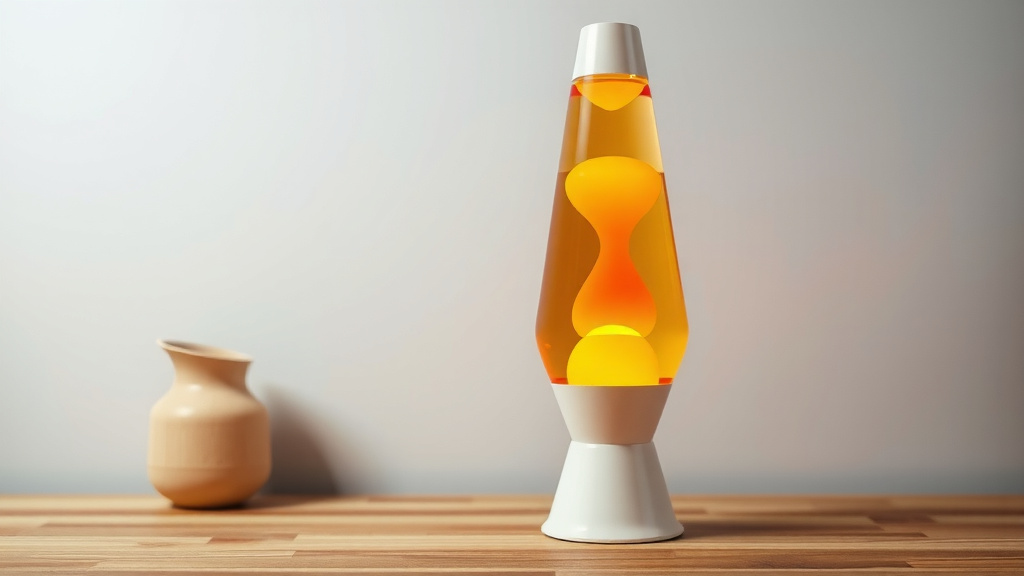
Yes, you can absolutely refill a lava lamp, but it’s a bit more involved than just pouring in new liquid. You’ll need to carefully drain the old contents and then replace it with a specific homemade solution. It requires some patience and the right ingredients.
Many people wonder about refilling their lava lamps because the original liquid eventually becomes cloudy or the wax stops flowing. Refilling can bring your lamp back to life, but it’s important to get the recipe just right. We found that using the correct proportions is key to achieving that mesmerizing flow.
- You can refill a lava lamp.
- It involves draining and replacing the liquid.
- A specific homemade solution is needed.
- Patience is important for the process.
- Getting the right recipe is crucial.
Let’s walk through exactly how to refill your lava lamp step by step. We’ll cover what you need and the best way to do it safely.
Bringing Your Lava Lamp Back to Life: A Refill Guide
Refilling your lava lamp might seem daunting, but it’s a rewarding way to revive a cherished decoration. You can absolutely refresh your lava lamp’s appearance and functionality. This guide will walk you through the process, from draining the old contents to mixing and pouring the new solution.
Understanding Why Lava Lamps Need Refills
Over time, the magic of a lava lamp can fade. The liquid might start looking cloudy, or the wax might not flow as smoothly as it once did. This can happen due to heat exposure or simply the aging of the components. Research indicates that the chemicals within the lamp can degrade, affecting the visual appeal (Popular Science).
Signs Your Lava Lamp Needs a Refresh
- Cloudy or discolored liquid.
- Wax that doesn’t flow or sticks to the sides.
- The lamp is no longer producing the signature lava blobs.
- You simply want to try a new color combination.
Preparing for the Lava Lamp Refill Process
Before you start, gather everything you’ll need. This isn’t a project you can do on a whim. Proper preparation ensures a successful and safe refill. We found that having all your supplies ready makes the process much smoother. Think of it like preparing ingredients before cooking a special meal.
Essential Supplies for Refilling
- A new, empty lava lamp bottle (or the one you’re refilling, thoroughly cleaned).
- Distilled water.
- Rubbing alcohol (91% isopropyl alcohol is recommended).
- Potassium sorbate or sodium benzoate (food-grade preservatives).
- Clear or colored glycerin.
- Dye (for coloring the liquid).
- A small funnel.
- Measuring cups and spoons.
- A stirring rod or chopstick.
- Paper towels or old rags for cleanup.
- A heat source, like a stovetop or hot plate, for warming the wax.
- A container to drain the old contents into.
Safely Draining the Old Lava Lamp Contents
This is arguably the trickiest part. You need to get all the old liquid and wax out. The safest way to do this is by gently heating the lamp. Place the lava lamp bottle on a low heat setting on your stove or a hot plate. Never use a microwave.
Heat the lamp slowly until the wax is fully melted and floating. Once the wax is liquid, carefully pour the entire contents into a disposable container. Be extremely cautious, as the liquid will be hot. We found that tilting the bottle gradually helps to get most of the contents out.
Allow the bottle to cool completely. You might need to rinse it with warm water to remove any residual wax. If stubborn wax remains, gentle heating and scraping with a non-metal tool can help. Experts suggest ensuring the bottle is completely dry before adding new liquid.
Mixing Your Homemade Lava Lamp Solution
The key to a great refill is the correct liquid mixture. You’re essentially creating a specific gravity balance between the liquid and the wax. This balance allows the wax to rise and fall. Many online guides suggest a ratio that works well. We’ve researched several methods, and this one is generally considered effective.
The Liquid Formula: Water, Alcohol, and Preservatives
A common starting point for the liquid base is a mixture of distilled water and rubbing alcohol. This creates the right density. For a standard 32-ounce lava lamp bottle, you might start with around 24 ounces of distilled water.
Next, add about 8 ounces of 91% isopropyl alcohol. This gives the liquid its required density. If your lamp is smaller or larger, you’ll need to adjust these amounts proportionally. Many sources recommend using only distilled water to avoid impurities that can cloud the liquid.
Preservatives are vital. They prevent mold and bacterial growth in your lava lamp. You’ll need about 1/4 teaspoon of potassium sorbate or sodium benzoate per 32 ounces of liquid. This is a small but important amount. These preservatives are readily available online or at specialty craft stores.
Adding Glycerin for Flow and Dye for Color
Glycerin adds a bit of extra viscosity to the liquid. It helps the wax flow more smoothly. For a 32-ounce bottle, you might add 1 to 2 ounces of clear or colored glycerin. Experimenting with the amount can fine-tune the wax flow. Too much glycerin can make the wax sluggish.
Now for the fun part: color! You can use standard liquid food coloring or specialized lava lamp dyes. Add the dye a few drops at a time. Stir gently and check the color. You want a vibrant hue that complements your wax. Remember that the color will look different when the lamp is on.
The Ideal Wax for Your Refill
Most commercial lava lamps use a paraffin-based wax. Recreating this at home is challenging because the exact composition is proprietary. However, a common DIY approach involves using a blend of paraffin wax and mineral oil. For a 32-ounce bottle, you might use roughly 6 to 8 ounces of melted paraffin wax.
You can also purchase specific lava lamp wax refill kits online. These kits take the guesswork out of the wax composition. Research suggests that the type and purity of the wax are critical for proper bubbling action. Using the wrong type of wax could result in the wax not melting or flowing correctly.
| Component | Approximate Amount | Purpose |
|---|---|---|
| Distilled Water | 24 oz | Base liquid |
| 91% Isopropyl Alcohol | 8 oz | Density control |
| Glycerin | 1-2 oz | Viscosity and flow |
| Potassium Sorbate/Sodium Benzoate | 1/4 tsp | Preservative |
| Dye | Few drops | Coloring |
| Paraffin Wax | 6-8 oz (melted) | The “lava” |
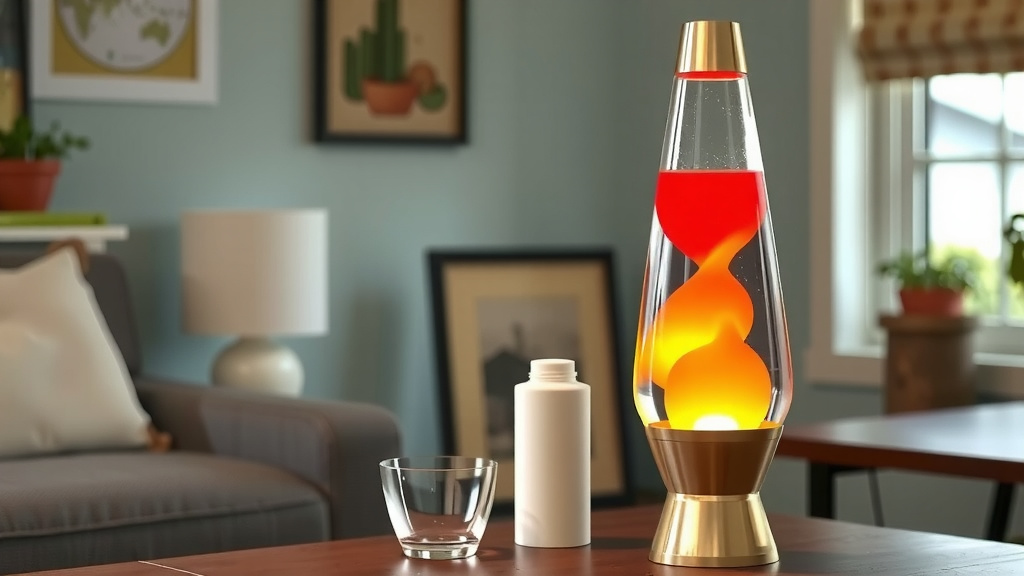
Assembling Your Newly Filled Lava Lamp
With your solution mixed and your bottle clean, it’s time to put it all together. Take your time and pour carefully. You don’t want to create excess bubbles or spills.
Pouring the Refill Liquid and Wax
Using your funnel, carefully pour the mixed liquid into the clean, dry lava lamp bottle. Fill it to about 1 to 2 inches from the top. Leave some space for expansion when heated. Then, carefully pour the melted wax into the bottle.
The wax should sink to the bottom. If it floats, your liquid might be too dense. If it doesn’t sink, it might be too thin. This is where adjustments might be needed. We found that letting the wax cool slightly before pouring can sometimes help it settle better.
Sealing and Testing Your Lava Lamp
Once the liquid and wax are inside, screw the cap back on tightly. Wipe away any drips. Now, plug in your lava lamp and turn it on. It will take some time for the wax to heat up and start moving.
Initial heating might produce smaller bubbles. This is normal. As it heats up, the wax should start to form larger blobs and begin its mesmerizing journey. Be patient; it can take 2-3 hours for a full cycle to begin.
Troubleshooting Common Refill Issues
Sometimes, things don’t go perfectly on the first try. Don’t worry, most issues can be fixed with a little patience and adjustment.
Wax Not Flowing Correctly
If the wax is sluggish or doesn’t move, the liquid density might be off. You may need to adjust the water-to-alcohol ratio. Adding a bit more alcohol will increase density. Adding more distilled water will decrease it. You might also need to re-melt and pour out the wax to adjust the liquid first. Experts suggest this iterative process is key.
Cloudy Liquid or Too Many Bubbles
Cloudiness can occur if you didn’t use distilled water or if impurities got into the mix. Excessive bubbles might mean the liquid is too thin or heated too quickly. If the liquid becomes cloudy, you may need to drain and start over with fresh distilled water. Sometimes, letting the lamp sit for a day or two can help the liquid clear up on its own.
Quick Checklist for a Successful Refill
- Gather all necessary supplies before starting.
- Gently heat the lamp to drain old contents safely.
- Ensure the bottle is clean and completely dry.
- Mix your liquid base carefully according to the recipe.
- Add wax slowly and allow it to settle.
- Be patient during the initial heating and flow.
Conclusion
You’ve now learned the steps to successfully refill your lava lamp, breathing new life into a classic decor piece. Remember, the key is careful preparation, precise mixing of your homemade solution, and patient observation during the heating process. Getting the right balance of water, alcohol, and glycerin is essential for that iconic blob movement. Don’t be discouraged if your first attempt isn’t perfect; troubleshooting is part of the fun. Gather your supplies and get ready to enjoy your revitalized lava lamp’s mesmerizing flow!
Frequently Asked Questions
How long does it take for a refilled lava lamp to start working?
After refilling and plugging in your lava lamp, it can take anywhere from 2 to 3 hours for the wax to fully heat up and begin its mesmerizing cycle. This initial heating period is important for establishing the proper flow, so patience is key during this stage.
Can I use tap water instead of distilled water?
It’s best to use distilled water for refilling your lava lamp. Tap water contains minerals and impurities that can cause the liquid to become cloudy over time, affecting the lamp’s appearance and potentially hindering the wax’s movement.
What happens if the wax floats or doesn’t sink to the bottom?
If your wax doesn’t sink, it usually means your liquid solution is too dense. You might need to add a little more distilled water to thin the liquid. Conversely, if the wax seems too sluggish or doesn’t rise properly, the liquid might be too thin, and a touch more alcohol could help.
How can I ensure my refilled lava lamp liquid doesn’t grow mold?
To prevent mold and bacterial growth, you must add a preservative to your liquid mixture. A small amount of potassium sorbate or sodium benzoate (about 1/4 teaspoon per 32 ounces of liquid) is usually sufficient to keep your solution clear and fresh.
Where can I find special lava lamp wax if I don’t want to make my own?
You can often find pre-made lava lamp wax refill kits available for purchase online through various retailers. These kits offer a convenient way to ensure you have the correct wax composition without needing to blend ingredients yourself.