Lava Lamp Experiment Explained: How it Works
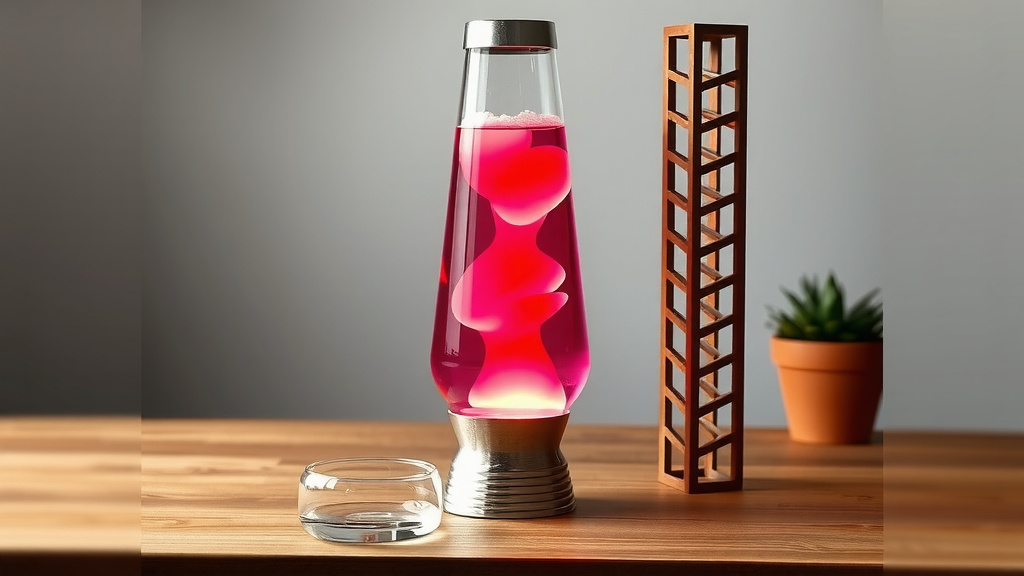
Explaining a lava lamp experiment is all about showing how **heat causes density changes**, making the colored wax blobs rise and fall. When you heat the base of the lava lamp, the wax inside expands and becomes **less dense** than the surrounding liquid. This difference in density causes the wax to float upwards. As it cools at the top, it becomes denser again and sinks. It’s a fun way to see basic physics principles in action right in your living room!
This colorful display isn’t just for show; it’s a visual representation of convection currents. You might have seen similar principles at work in boiling water or even weather patterns. Understanding how the wax and liquid interact helps explain these larger natural phenomena. It’s a great way to make science engaging for all ages, highlighting how simple physical laws create mesmerizing effects and are fundamental to many natural processes.
- Heat makes wax lighter.
- Lighter wax floats up.
- Cooler wax gets heavier and sinks.
- This creates a continuous cycle.
- It demonstrates convection currents.
Ready to dive into the bubbly magic? Let’s break down exactly what’s happening inside your lava lamp.
“`htmlBreaking Down the Lava Lamp Magic: What’s Happening Inside?
Ever wondered about the mesmerizing dance inside a lava lamp? It’s not just pretty to look at. We found that this bubbly display is a fantastic way to understand basic science principles. It shows you how heat affects substances and makes them move. You’re about to get the inside scoop on this fun experiment.
Understanding the Science Behind the Bubbles
The core idea behind your lava lamp is a simple yet powerful one: density changes. Everything around us has a certain density, which is how much “stuff” is packed into a certain amount of space. When things heat up, they tend to expand, meaning the “stuff” gets spread out more.
The Role of Heat and Expansion
Inside your lava lamp, you have two main liquids. One is usually water-based, and the other is a special wax. When you switch on the lamp, a bulb at the base heats the wax. This heat causes the wax to expand. Think of it like a balloon filling with air; it gets bigger.
As the wax expands, its density decreases. This means it becomes lighter for its size compared to the surrounding liquid. It’s like a cork floating in water; the cork is less dense than the water.
When Light Things Rise
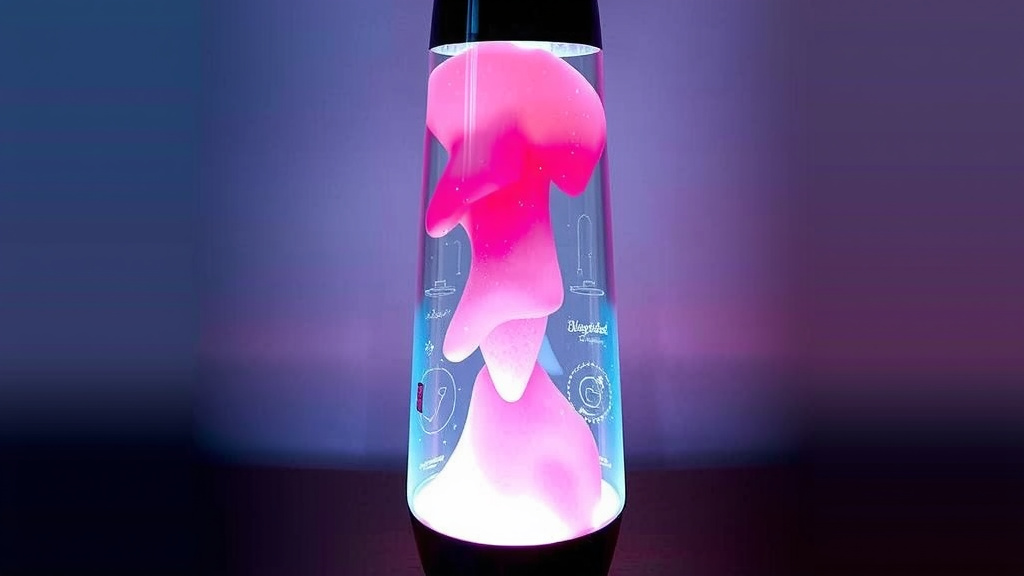
Because the heated wax is now less dense than the liquid around it, it starts to float upwards. This is the beginning of the lava lamp’s show. The colorful blobs rise from the base, creating those familiar, flowing shapes.
Cooling Down and Sinking Back
Once these wax blobs reach the cooler top of the lamp, they start to lose heat. As they cool, they contract and become denser again. They become heavier than the surrounding liquid. This is the opposite of what happened at the bottom.
Because they are now denser, they begin to sink back down towards the heat source. This cycle repeats over and over, creating the continuous movement you see.
Visualizing Convection Currents at Play
This up-and-down movement isn’t random. It’s a perfect example of convection currents. You can see this same principle in action in many places.
What Are Convection Currents?
Convection is how heat transfers through fluids, like liquids and gases. It happens when a part of the fluid gets heated, becomes less dense, and rises. Then, it cools, becomes denser, and sinks. This creates a circular flow.
Examples Beyond the Lava Lamp
Think about a pot of boiling water on the stove. The water at the bottom heats up, rises, and cooler water from the top sinks down. Weather patterns are also driven by convection. Warm air rises, and cooler air sinks, creating wind and storm systems. Even the Earth’s mantle moves due to convection currents, which shapes our continents (USGS).
The Secret Ingredients: What Makes It Work?
The magic of the lava lamp depends on the careful selection of its components. The types of liquids used are key to achieving that unique effect.
The Wax vs. The Liquid
The colored wax and the clear liquid are specially chosen. Their densities are very close at room temperature. They are also designed so their densities change differently with temperature. This precise balance allows the wax to rise when heated and sink when cooled.
The wax is typically made from paraffin wax mixed with other substances. The liquid is usually water-based, with added ingredients like salt or antifreeze to adjust its density and prevent it from freezing or boiling too easily.
| Component | Role | Behavior with Heat |
|---|---|---|
| Colored Wax | The “lava” blobs | Expands and becomes less dense when heated; contracts and becomes denser when cooled. |
| Clear Liquid | The medium for movement | Remains relatively constant in density; surrounds the wax. |
Why Not Just Any Liquids?
If you tried to make your own lava lamp with random household liquids, it likely wouldn’t work. The densities wouldn’t match up correctly, or they wouldn’t change as needed with heat. Many home experiments have shown this requires specific formulations (Science Buddies).
Making the Lava Lamp Experiment Your Own
While you can’t easily replicate the exact liquid formulation at home, you can still use a lava lamp to teach or learn about these science principles. It’s a visual aid that brings abstract concepts to life.
Observing the Cycle
The best way to explain it is to simply observe. Watch the wax blobs rise, spread, and fall. Point out how this is driven by temperature changes.
Discussion Points
Ask questions like: What happens when the blobs get to the top? Why do they start to sink? What would happen if the lamp was turned off? These simple questions can lead to great discussions about heat transfer and density.
Simple Steps for a Great Demonstration
Here’s a quick checklist for using your lava lamp as a science tool:
- Turn on the lava lamp.
- Point out the wax blobs starting to move.
- Explain that heat from the bulb makes the wax expand and get lighter.
- Show how the lighter wax floats up to the cooler top.
- Explain that cooling makes the wax heavier, causing it to sink.
- Emphasize that this cycle keeps repeating.
Conclusion
You’ve now seen how your lava lamp is more than just a decorative item; it’s a fantastic science demonstrator. By understanding the interplay of heat, density, and convection, you can explain this mesmerizing phenomenon to anyone. Remember, the wax expands and becomes less dense, causing it to rise, then cools, becomes denser, and sinks. This continuous cycle beautifully illustrates fundamental physics at work. Use your lava lamp as a conversation starter and a tool to make science fun and accessible!
Frequently Asked Questions
Can I make my own lava lamp at home?
Creating a true lava lamp at home is challenging because the exact liquid and wax formulations are specific. Their densities and how they react to heat need to be precisely balanced, which is difficult to achieve with common household ingredients. While you can experiment with oil and water, it won’t produce the same effect as a commercial lava lamp.
What happens if I shake a lava lamp?
Shaking a lava lamp is generally not recommended. The liquids inside are carefully balanced, and vigorous shaking can disrupt this balance. You might end up with cloudy liquids or small bubbles that take a very long time to dissipate, potentially ruining the visual effect for a while.
Why does my lava lamp take so long to start working?
Your lava lamp needs time to heat up. The bulb at the base transfers heat to the wax, causing it to expand and become less dense. This process requires patience. Depending on the lamp’s wattage and the ambient room temperature, it can take anywhere from 30 minutes to over an hour for the wax to start flowing properly.
Is the liquid in a lava lamp dangerous if it breaks?
While most lava lamps use non-toxic materials, it’s best to exercise caution if one breaks. The liquids are typically water-based with added chemicals to adjust density and prevent freezing. Clean up spills immediately and avoid contact with skin or eyes. Dispose of the contents responsibly according to local guidelines.
How does temperature affect the lava lamp’s movement?
Temperature is the main driver of a lava lamp’s action. The heat from the base causes the wax to expand and become lighter, making it rise. As the wax reaches the cooler top, it loses heat, contracts, and becomes heavier, causing it to sink back down. This cycle of heating and cooling is what creates the continuous movement you observe.
![10 Best Curing Lamp [2026]](https://bestdesklamp.com/wp-content/uploads/2026/09/10-best-curing-lamp-2026-featured-768x432.jpg)