How Therapy Lamps Work: Harnessing Light for Mood
Therapy lamps work by providing a controlled dose of bright light, mimicking natural sunlight. This light helps regulate your body’s internal clock, which can improve mood and energy levels, especially during darker months. It’s a safe and effective way to manage symptoms associated with seasonal affective disorder (SAD) and other mood-related conditions.
Many experts say that using a therapy lamp can make a big difference in your daily life. The light signals to your brain that it’s daytime, helping to reset your sleep-wake cycle. This can lead to better sleep quality and increased alertness throughout the day, offering a natural mood boost when you need it most.
- Therapy lamps mimic natural sunlight to boost mood.
- They help regulate your body’s sleep-wake cycle.
- This can improve energy levels and sleep quality.
- It’s a safe method for managing mood-related symptoms.
Let’s walk through exactly how these lamps help you feel your best.
Understanding How Light Therapy Works
So, how exactly does a therapy lamp get you feeling better? It’s all about the light. These special lamps are designed to emit a very bright, full-spectrum light. This light is much brighter than your average household lamp. Think of it as a safe, controlled dose of sunshine. It works by signaling to your brain that it’s daytime. This signal helps to reset your body’s internal clock, also known as your circadian rhythm.
The Science Behind the Light Signal
Your circadian rhythm is like your body’s master clock. It controls many processes, including when you feel sleepy and when you feel awake. It’s heavily influenced by light exposure. When you spend less time outdoors, especially during winter months with shorter days, your body might get confused. It might start producing more melatonin, the sleep hormone, at the wrong times. This can lead to feeling groggy and low. A therapy lamp helps correct this by providing a strong light stimulus during the day. It tells your brain, “Hey, it’s still daytime!” This helps to suppress melatonin production when it’s not needed. It also helps boost other mood-regulating chemicals like serotonin. Many studies have shown the effectiveness of light therapy for mood disorders (National Institutes of Health).
What Makes a Therapy Lamp Different?
Not just any bright lamp will do. Therapy lamps are specifically engineered. They offer a light intensity measured in lux. This is a unit for measuring illuminance. You’ll often see lamps rated at 10,000 lux. For comparison, a typical indoor room might only be 200-500 lux. Even a cloudy day outdoors can be around 1,000-4,000 lux. The strong 10,000 lux output is key to triggering the desired biological responses. Also, these lamps provide full-spectrum light. This means they emit a wide range of wavelengths, similar to natural sunlight. This is important for hitting all the right notes in your body’s biological symphony.
Intensity and Distance Matter
The effectiveness also depends on how close you are to the lamp and for how long you use it. Generally, you’ll want to sit within a certain distance, often 12-24 inches. This ensures you’re receiving the correct amount of light. The duration of use is also important. Typically, a session can range from 20 minutes to an hour each day. It’s best to use it in the morning. This helps align your body clock for the entire day ahead. Think of it like giving your internal clock a gentle but firm nudge in the right direction. This guide explains how to use a daylight lamp effectively.
How Light Affects Your Mood and Energy
Ever notice how a sunny day just makes you feel a bit happier? There’s a reason for that! Light plays a direct role in regulating your mood. Therapy lamps harness this connection. By providing that burst of bright light, they can help combat feelings of sadness or sluggishness. It’s like opening up the curtains on a gloomy morning.
Boosting Serotonin Levels
One of the main ways therapy lamps help is by influencing your brain’s production of neurotransmitters. Serotonin is a key player here. It’s often called the “feel-good” chemical. Research suggests that exposure to bright light can increase serotonin levels in the brain. Higher serotonin levels are associated with improved mood and a sense of well-being. When your serotonin is balanced, you tend to feel more stable and content. This is a big reason why light therapy is so effective for conditions like seasonal affective disorder (SAD). Discover how mood lamps work and their impact on well-being.
Regulating Your Sleep-Wake Cycle
Your body has a natural rhythm that dictates when you should be alert and when you should be asleep. This rhythm is called the circadian rhythm. Light is the primary cue for this cycle. When your circadian rhythm is disrupted, you might experience insomnia, excessive sleepiness, or fatigue. Using a therapy lamp, especially in the morning, helps to anchor your circadian rhythm. It reinforces the signal to your brain that it’s time to be awake and alert. This can lead to more consistent sleep patterns. You might find yourself falling asleep easier at night and waking up feeling more refreshed. It’s like setting your internal clock to the right time zone.
Melatonin and Its Role
Melatonin is a hormone that helps regulate sleep. Your body naturally produces it in the dark. When you’re exposed to light, melatonin production decreases. If you’re getting too little bright light during the day, your body might produce melatonin at inappropriate times, making you feel tired. A therapy lamp helps by reducing melatonin levels during the day. This allows your body to prepare for sleep at the proper time in the evening. It’s a natural way to signal to your body that day has arrived.
When and How to Use Your Therapy Lamp
Getting the most out of your therapy lamp involves a little bit of planning. It’s not a magic bullet, but a helpful tool when used correctly. Think of it like a vitamin – you need to take it consistently to see the benefits.
Best Times for Light Therapy
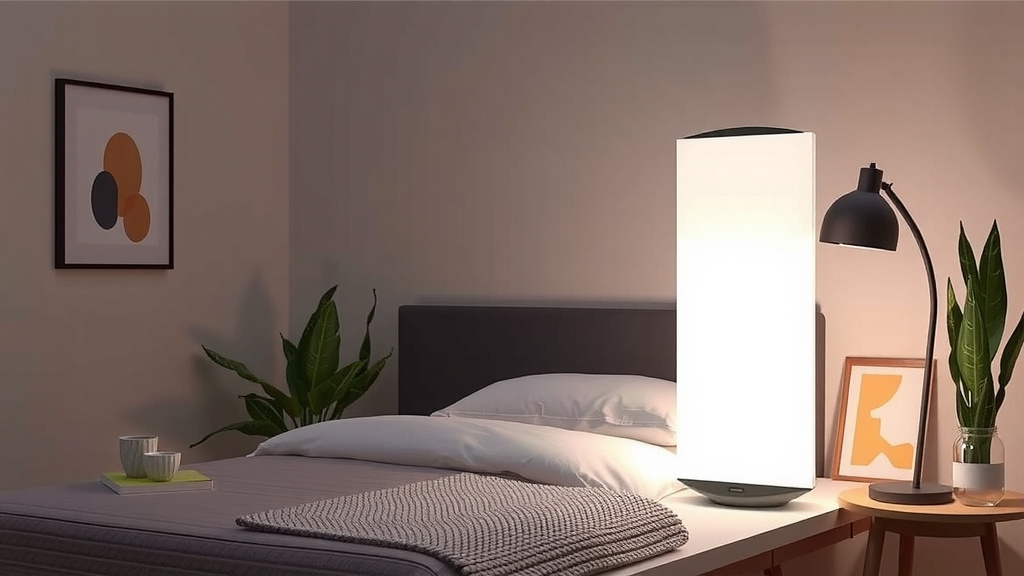
The general advice from experts is to use your therapy lamp in the morning. This is when light has the most impact on your circadian rhythm. Aim for your first session within an hour or two of waking up. This helps set the tone for your entire day. It signals to your body that it’s time to be awake and active. Many people find that 20-30 minutes is sufficient. Some might need up to an hour, depending on their individual needs and the lamp’s intensity. Consistency is more important than duration. Daily use is recommended for best results.
Setting Up Your Session
Here’s a simple checklist to guide your light therapy routine:
- Find a comfortable chair.
- Position the lamp within the recommended distance (usually 12-24 inches).
- Angle the light towards your face, but don’t stare directly into it.
- Sit with your eyes open, reading, working, or relaxing.
- Make sure you’re not looking away from the light for extended periods.
- Try to do it at the same time each morning.
What to Expect During and After
During your session, you might feel a gentle warmth from the light. You shouldn’t experience any discomfort or eye strain. If you do, reduce the time or increase the distance. Some people report feeling more alert and energized right after a session. Others notice a gradual improvement in mood and sleep over a few days or weeks. It’s important to be patient and consistent. The effects are cumulative. It’s not an instant fix, but a way to support your body’s natural processes.
| Feature | Description |
|---|---|
| Light Intensity | Measured in lux; 10,000 lux is common for effective treatment. |
| Spectrum | Full-spectrum light mimics natural sunlight, emitting various wavelengths. |
| UV Filter | Most therapy lamps have filters to block harmful UV rays. |
| Size & Design | Available in various sizes, from desk lamps to larger floor models. |
| Timer | Some lamps include built-in timers for easy session management. |
Conclusion
You’ve learned how therapy lamps work by harnessing the power of bright, full-spectrum light. They help reset your body’s natural clock, boosting mood-lifting chemicals like serotonin and regulating sleep hormones like melatonin. This can make a real difference in how you feel, especially during darker times of the year. Remember, consistency is key. Start incorporating your morning light sessions into your routine. You’re taking a positive step towards feeling more energized and balanced throughout your day.
Frequently Asked Questions
Can I use any bright lamp as a light therapy lamp?
No, it’s best to use a lamp specifically designed for light therapy. These lamps emit a controlled intensity of light, often 10,000 lux, and provide full-spectrum light without harmful UV rays. Regular household lamps typically don’t offer the necessary brightness or spectrum for therapeutic effects.
How long does it take to see results from using a therapy lamp?
Results can vary from person to person. Some people notice improvements in mood and energy within a few days of consistent use. For others, it might take a couple of weeks to feel the full benefits. Patience and daily use, especially in the morning, are important for optimal outcomes.
Is it safe to stare directly into a therapy lamp?
While you need to be looking towards the lamp, you should avoid staring directly into it for extended periods. The light is very bright. It’s generally recommended to sit within the recommended distance, with your eyes open and directed toward the light source, perhaps while reading or working. If you experience any eye discomfort, adjust the distance or duration.
What is the best time of day to use a therapy lamp?
The most effective time to use a therapy lamp is in the morning, typically within an hour or two of waking up. Morning light exposure is crucial for syncing your body’s internal clock (circadian rhythm) and setting your sleep-wake cycle for the entire day. This helps you feel more alert and improves sleep quality later.
Can light therapy lamps help with conditions other than SAD?
Yes, research suggests that light therapy can be beneficial for other mood-related issues. This includes certain types of depression, sleep disorders, and even jet lag. By regulating your circadian rhythm and influencing neurotransmitter production, light therapy offers a natural way to support overall mood and well-being.
![10 Best Budget Desk Lamp [2026]](https://bestdesklamp.com/wp-content/uploads/2026/08/10-best-budget-desk-lamp-2026-featured-768x432.jpg)
![10 Best Cheap Nail Lamp [2026]](https://bestdesklamp.com/wp-content/uploads/2026/08/10-best-cheap-nail-lamp-2026-featured-768x432.jpg)
![10 Best Bulb For Table Lamp [2026]](https://bestdesklamp.com/wp-content/uploads/2026/08/10-best-bulb-for-table-lamp-2026-featured-768x432.jpg)