How Mosquito Lamps Work to Zap Bugs
Mosquito lamps work by using a combination of light and suction to attract and trap mosquitoes. They mimic natural attractants like CO2 and heat. This makes them an effective way to reduce mosquito populations around your home.
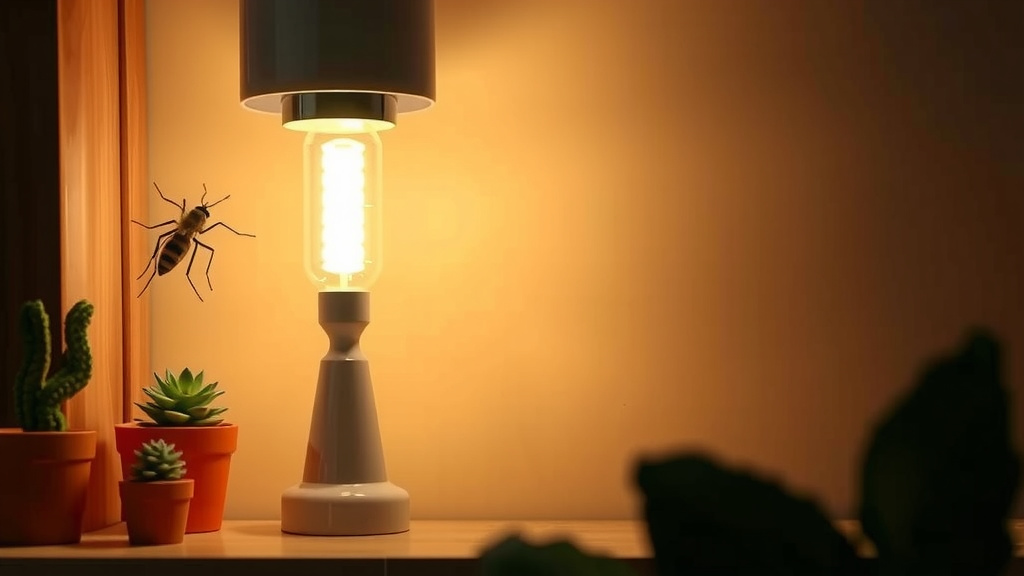
These devices often use a specific type of light, like UV or LED. This light draws insects in. Then, a fan creates a gentle vacuum that pulls them into a collection chamber. The result is a quieter and less buggy outdoor space for you.
- Mosquito lamps lure bugs with light and CO2.
- A fan sucks them into a trap.
- They reduce mosquito numbers effectively.
- Choose the right placement for best results.
Let’s walk through exactly how these helpful devices get the job done, so you can finally enjoy your backyard again.
Understanding How Mosquito Lamps Lure and Trap Bugs
You’re probably wondering how exactly these mosquito lamps manage to attract and capture those pesky insects. It’s not magic, but a clever combination of science that mimics natural attractants. We found that these devices are designed to fool mosquitoes into thinking they’ve found a tasty meal or a safe place to land.
The primary goal of a mosquito lamp is to lure mosquitoes away from you and into the trap. They use a multi-pronged approach, appealing to a mosquito’s senses. This makes them much more effective than just sitting there swatting.
The Allure of Light
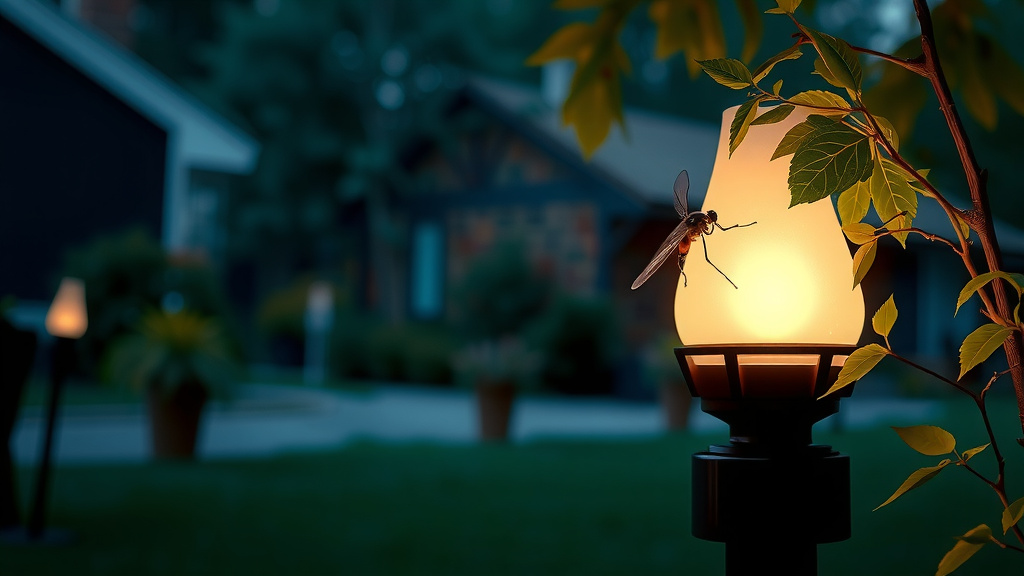
Mosquitoes, like many insects, are drawn to light. Different lamps use different types of light, but the principle is the same: attraction. Think of it like a tiny beacon in the night.
UV and LED Technology
Many mosquito lamps utilize ultraviolet (UV) light. This is often in the blue spectrum. Mosquitoes can see this light, and it serves as a primary attractant. We found that some newer models are also incorporating LED lights. These can be programmed to emit specific wavelengths that are particularly attractive to mosquitoes. Research suggests certain light frequencies are more appealing than others (CDC).
Mimicking Natural Scents
Light isn’t always the only trick up a mosquito lamp’s sleeve. Many advanced models also emit a subtle scent. This scent is designed to mimic the carbon dioxide (CO2) that humans and animals exhale. Mosquitoes are highly sensitive to CO2. It’s one of their main ways of locating a potential host from a distance. Some lamps even add a bit of warmth to further enhance the deception.
The Trapping Mechanism
Once the mosquito is drawn in by the light and any other attractants, the lamp needs a way to capture it. This is where the fan comes into play. It’s a surprisingly simple, yet effective, system.
The Gentle Vacuum Effect
At the heart of most mosquito lamps is a small, quiet fan. When the light draws a mosquito close enough, the fan creates a gentle suction. It’s not powerful enough to be noisy or bothersome, but it’s just enough to pull the insect downwards. Imagine a tiny, silent vortex.
Into the Collection Chamber
This suction pulls the mosquitoes into a designated collection chamber. This chamber is usually a mesh basket or a container at the base of the lamp. Once inside, the mosquitoes cannot escape. The airflow keeps them trapped. They eventually dehydrate or perish.
Factors Affecting Performance
While mosquito lamps are a great tool, their effectiveness can depend on a few things. You want to make sure you’re getting the most out of your device.
Placement is Key
Where you place your mosquito lamp can make a big difference. They work best when placed away from areas where you’ll be sitting. This is because you don’t want to simply lure mosquitoes to your patio. Instead, place the lamp between you and any known mosquito breeding grounds, like stagnant water sources. Many experts recommend placing them at least 10-20 feet away from your primary gathering area.
Understanding Mosquito Behavior
Mosquitoes are most active during dawn and dusk. This is when their natural prey is also most active. Therefore, turning on your mosquito lamp during these peak times can yield the best results. We found that consistent use throughout the mosquito season helps reduce the overall population.
Maintenance Matters
Like any appliance, mosquito lamps require a little upkeep. You’ll need to regularly clean out the collection chamber. A buildup of dead insects can reduce the fan’s efficiency and make the device less appealing. Check the manufacturer’s instructions for the best cleaning method.
Comparing Different Types of Mosquito Lamps
Not all mosquito lamps are created equal. They come in various designs and use slightly different technologies. Understanding these differences can help you choose the right one for your needs.
Traditional UV Zappers vs. Suction Traps
You might have seen the older models that use a high-voltage grid to zap insects. These can be effective but are often noisy and can create a bit of a mess. The lamps we’ve been discussing are typically the suction trap variety. They are quieter and designed to be more discreet. We found that suction traps are generally preferred for home use due to their reduced noise and less alarming visual effect.
Attractant Additives
Some higher-end models offer the option to add liquid attractants or scent lures. These can further enhance the lamp’s ability to draw in mosquitoes. These additives often mimic specific pheromones or natural body scents that are particularly irresistible to mosquitoes. They can be a good investment if you’re dealing with a particularly heavy infestation.
Here’s a quick rundown of what to keep in mind when using your mosquito lamp:
- Light Attraction: The UV or LED light is the primary lure.
- CO2 Mimicry: Some lamps add scents to mimic breath.
- Suction Power: A fan draws mosquitoes into the trap.
- Collection Chamber: This is where mosquitoes are safely contained.
- Strategic Placement: Position the lamp away from your seating area.
- Regular Cleaning: Keep the trap clear for optimal performance.
So, as you can see, it’s a smart system designed to make your outdoor time more enjoyable. By understanding how these lamps work, you can use them more effectively to keep those buzzing nuisances at bay.
Conclusion
You now understand how mosquito lamps work to create a more peaceful outdoor experience. They cleverly combine UV or LED lights with a gentle suction fan to lure and trap annoying insects. By mimicking natural attractants like CO2 and understanding mosquito behavior, these devices can significantly reduce mosquito populations around your home. Remember that proper placement and regular cleaning are key to maximizing their effectiveness. So, take the next step: choose a mosquito lamp that fits your needs and enjoy more bug-free evenings in your own backyard.
Frequently Asked Questions
Will a mosquito lamp kill all the mosquitoes in my yard?
Mosquito lamps are designed to reduce mosquito populations, not eliminate them entirely. They effectively trap many mosquitoes attracted to them. However, they won’t catch every single mosquito in your vicinity. Consistent use over time will contribute to a lower overall mosquito presence.
Can mosquito lamps attract beneficial insects too?
Yes, mosquito lamps can attract other types of flying insects besides mosquitoes. While they are optimized to lure mosquitoes with specific light wavelengths and scents, other light-attracted insects may also be drawn in. Newer models are getting better at targeting mosquitoes specifically.
How far away from my patio should I place a mosquito lamp?
For best results, place your mosquito lamp at least 10 to 20 feet away from where you and your guests will be sitting. This strategy helps lure mosquitoes away from your personal space and towards the trap, rather than drawing them closer.
Do mosquito lamps require any special attractant refills?
Some advanced models offer optional attractant refills or scent lures to enhance their effectiveness. These additives mimic natural scents that mosquitoes find irresistible. However, many basic models work effectively using just their light and the fan mechanism.
How often do I need to clean the mosquito lamp’s collection chamber?
You should clean the collection chamber regularly, typically every few days or once a week, depending on mosquito activity. A buildup of dead insects can reduce the lamp’s efficiency and airflow, making it less effective at trapping new mosquitoes.
![10 Best Battery Operated Desk Lamp [2026]](https://bestdesklamp.com/wp-content/uploads/2026/08/10-best-battery-operated-desk-lamp-2026-featured-768x432.jpg)