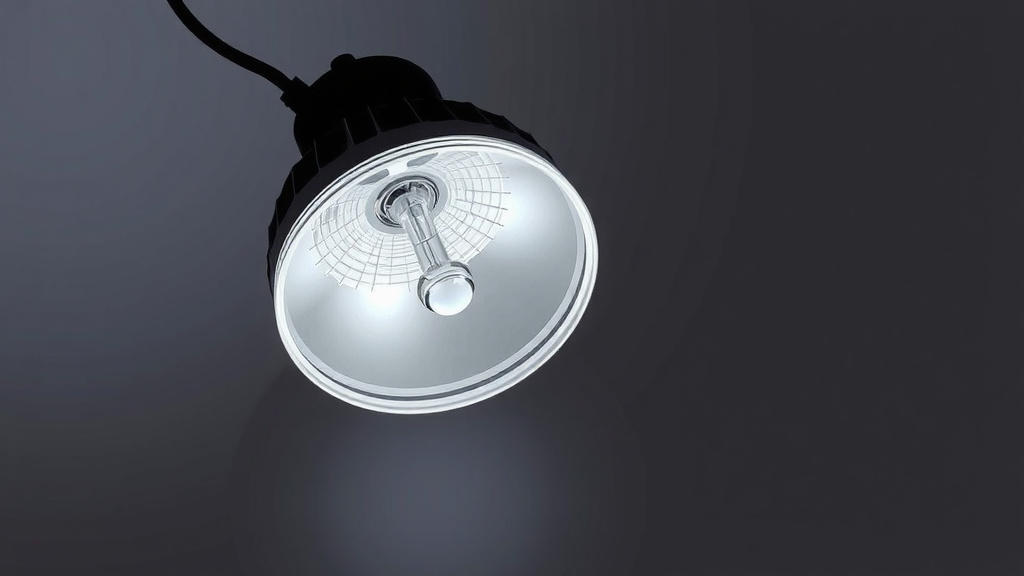
How Metal Halide Lamps Work: The Science Explained
Metal halide lamps work by passing an electric arc through a mixture of vaporized metal halides and noble gases. This process creates a brilliant, white light. You can think of it like a supercharged fluorescent bulb, but with a lot more punch. These lamps are known for their high efficiency and excellent color rendering, making them popular for stadiums and large indoor spaces.
When electricity hits the vaporized salts inside the bulb, it energizes them, causing them to emit photons—that’s the light you see. The specific mix of metal halides determines the exact color and intensity of the light. Many experts say they offer a bright, daylight-like quality that’s hard to match. It’s quite a neat bit of science packed into a glass tube!
- Metal halide lamps create light using an electric arc through vaporized metal salts.
- This process produces a very bright, white light.
- They are highly efficient and render colors very well.
- Their light quality is often compared to natural daylight.
Ready to see how this magic happens step-by-step? Let’s dive into the mechanics of your metal halide lamps.
Understanding How Metal Halide Lamps Work
Metal halide lamps produce light through a fascinating electro-chemical process. Think of them as a sophisticated version of your old fluorescent bulbs. They deliver bright, clear light. This makes them a favorite for many applications.
The Core Components of a Metal Halide Lamp
To understand how these lamps work, we need to look at their main parts. Each piece plays a vital role in creating that brilliant light you see. Getting these parts right is key to their performance.
The Arc Tube: Where the Magic Happens
At the heart of every metal halide lamp is the arc tube. This is a small, often quartz or ceramic, container. It’s built to withstand extreme temperatures and pressures. Inside, a precisely measured mixture awaits. This mixture includes noble gases and metal halide salts.
The Ballast: The Lamp’s Brain
No metal halide lamp works without a ballast. This device is like the lamp’s personal assistant. It has two main jobs. First, it provides a high voltage surge to start the lamp. This initial jolt gets the arc going. Second, it regulates the electric current flowing through the arc tube. This keeps the lamp stable and prevents it from burning out too quickly. Without a ballast, the lamp would be unreliable and short-lived.
The Outer Bulb: Protection and Diffusion
Surrounding the arc tube is an outer bulb, usually made of glass. This part is not just for looks. It serves several important functions. It protects the arc tube from physical damage and environmental factors. It also helps to diffuse the intense light produced by the arc tube. This creates a more uniform and less harsh light output. Many outer bulbs also contain a vacuum or inert gas. This helps keep the arc tube at the optimal operating temperature.
The Process of Light Production Step-by-Step
Now, let’s walk through the actual creation of light. It’s a quick but involved process. You’ll see how electricity transforms into visible photons.
Ignition: The Initial Spark
When you turn on a metal halide lamp, the ballast kicks in. It sends a powerful burst of electricity to the electrodes inside the arc tube. This high voltage ionizes the noble gases (like argon or xenon) within the tube. This creates a conducting path for the electricity to flow. It’s the very first step in getting things lit up.
Vaporization and Excitation: Heating Things Up
Once the arc is established, the intense heat begins to work. The electricity flowing through the arc tube heats up the metal halide salts. These salts, which are compounds of metals like mercury, sodium, and various rare earth elements, turn into a vapor. As these metal vapors are energized by the electric arc, their atoms become excited. They absorb energy from the arc.
Photon Emission: The Light Appears
Excited atoms don’t stay excited forever. They quickly return to their normal state. When they do, they release the absorbed energy in the form of photons. These photons are what we perceive as light. The specific combination of metal halides used in the arc tube dictates the color and spectrum of the light emitted. This is why metal halide lamps can offer such varied and appealing light qualities.
Stabilization: Steady Light Output
After a brief warm-up period, the lamp reaches its operating state. The arc tube is now hot and filled with vaporized metal halides. The ballast ensures a steady flow of electricity. This results in a consistent and bright light output. It can take a few minutes for the lamp to reach its full brightness and color. This warm-up time is normal for this type of lighting.
Key Characteristics and Advantages of Metal Halide Lighting
So, why choose metal halide lighting? It’s not just about the science; it’s about the results you get. Their performance makes them a solid choice for many situations.
High Light Output and Efficiency
Metal halide lamps are known for their high lumen output. This means they produce a lot of light for the amount of energy they consume. They are significantly more efficient than incandescent bulbs. This efficiency translates into lower energy bills. It also means less heat is generated for the same light output.
Excellent Color Rendering
One of their biggest selling points is their ability to render colors accurately. This is often measured by the Color Rendering Index (CRI). Metal halide lamps typically have a high CRI. This means that colors under their light appear natural and vibrant, much like they would in daylight. Many sources confirm their CRI can be 80 or higher (U.S. Department of Energy).
Versatility in Color Temperature
Depending on the specific metal halides used, these lamps can produce light in a range of color temperatures. You can find them emitting a warm, yellowish light or a cool, bluish-white light. The most common types produce a bright, daylight-like quality. This makes them suitable for diverse environments, from sports arenas to art galleries.
A Quick Comparison: Metal Halide vs. Other Lighting Types
It’s helpful to see how metal halide lamps stack up against other common lighting technologies. This can help you decide if they are right for your needs.
| Lamp Type | Typical CRI | Efficiency (Lumens/Watt) | Warm-up Time | Lifespan |
|---|---|---|---|---|
| Metal Halide | 80-90+ | 75-100 | 2-10 minutes | 10,000-20,000 hours |
| High-Pressure Sodium | 20-30 | 80-140 | 2-5 minutes | 24,000+ hours |
| Fluorescent | 60-90 | 50-100 | Immediate | 10,000-30,000 hours |
| LED | 70-95+ | 70-150+ | Immediate | 25,000-50,000+ hours |
Checking Your Metal Halide Setup
Thinking about your current lighting or planning a new installation? Here’s a quick checklist to ensure you’re on the right track.
- Ensure you have the correct ballast for your lamp type.
- Verify the lamp is compatible with the ballast specifications.
- Allow adequate warm-up time after turning on the lamp.
- Consider the specific application when choosing the lamp’s color temperature.
- Check for proper ventilation around the lamp and fixture.
- Regularly inspect for any signs of wear or damage on the outer bulb.
Conclusion
You’ve now seen how metal halide lamps transform electricity into brilliant, daylight-like illumination. Understanding their core components—the arc tube, ballast, and outer bulb—reveals the sophisticated science at play. The process of ignition, vaporization, excitation, and photon emission ensures a bright, efficient light with excellent color rendering. By comparing them to other lighting types, you can better appreciate their strengths for applications demanding high light output and accurate colors. Ready to make informed lighting choices? Consider where you need that bright, true-to-life light and see if metal halide fits your needs.
Frequently Asked Questions
How long does a metal halide lamp take to warm up?
Metal halide lamps require a warm-up period to reach full brightness and their correct color temperature. This typically ranges from 2 to 10 minutes after you turn them on. The ballast and arc tube need time to heat up and stabilize the vaporized metal halides.
Can I replace my old metal halide lamp with any new one?
No, you cannot just swap any metal halide lamp for another. It’s essential to match the new lamp to the specifications of your existing ballast. Using an incompatible lamp can lead to poor performance, damage to the lamp or ballast, or a shortened lifespan.
Why do metal halide lamps sometimes flicker?
Flickering in metal halide lamps can happen for several reasons. It might indicate the lamp is nearing the end of its life, or it could signal an issue with the ballast. Also, power fluctuations or improper ventilation can sometimes cause flickering.
What does “color rendering” mean for a metal halide lamp?
Color rendering, often measured by the Color Rendering Index (CRI), indicates how accurately a light source shows the true colors of objects. Metal halide lamps generally have a high CRI, meaning colors appear natural and vibrant under their light, similar to how they would look in natural daylight.
Are metal halide lamps energy efficient?
Yes, metal halide lamps are considered highly energy-efficient compared to older technologies like incandescent bulbs. They produce a large amount of light (lumens) for the electricity they consume, making them a good choice for large areas where high light output is needed without excessive energy use.

![10 Best Buy Projector Lamps [2026]](https://bestdesklamp.com/wp-content/uploads/2026/08/10-best-buy-projector-lamps-2026-featured-768x432.jpg)
![10 Best 3d Moon Lamp [2026]](https://bestdesklamp.com/wp-content/uploads/2026/09/10-best-3d-moon-lamp-2026-featured-768x432.jpg)