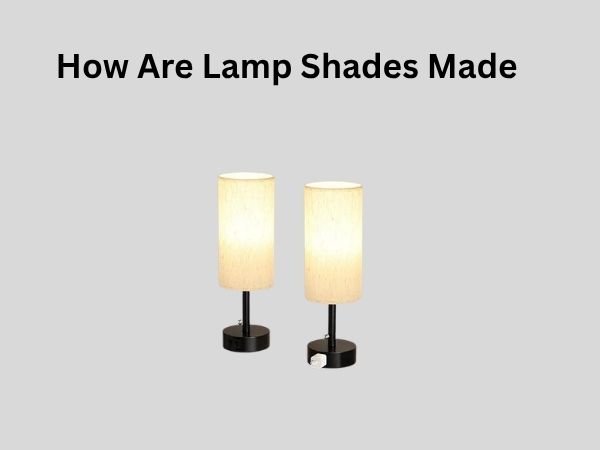
The Art of Illumination: How Are Lamp Shades Made?
Ever wondered what goes into creating those beautiful lamp shades that sit atop your favorite lamps? It’s not just a simple piece of fabric stretched over a wire frame. The process of manufacturing lamp shades is actually a fascinating blend of craftsmanship, engineering, and artistic vision. Whether you’re curious about the behind-the-scenes magic or considering starting your own lamp shade business, understanding how these decorative pieces come to life will give you a whole new appreciation for them.
Understanding the Basics: What Exactly Is a Lamp Shade?
Before we dive into the nitty-gritty of production, let’s establish what we’re actually talking about. A lamp shade is essentially a covering that surrounds a light bulb or light source. Think of it as the guardian between the harsh, direct light and your eyes. It softens the glow, creates ambiance, and adds a decorative element to your space. But beyond these aesthetic functions, lamp shades also serve practical purposes like directing light downward and protecting surrounding materials from heat.
The beauty of lamp shades lies in their versatility. They come in countless shapes, sizes, colors, and materials. From traditional bell-shaped shades to modern cylindrical designs, from delicate silk fabrics to sturdy paper constructions, the variety is truly endless. And each type requires a unique manufacturing approach.
The Foundation: Understanding Lamp Shade Materials
The first step in lamp shade manufacturing is selecting the right material. This choice determines the entire production process and the final quality of the product. Let me walk you through the most common materials used in the industry.
Fabric Materials: The Traditional Choice
Fabric is perhaps the most popular material for lamp shades, and for good reason. It provides warmth, elegance, and a soft light diffusion. Cotton, linen, polyester, and silk are frequently used in lamp shade production. Each fabric type has its own characteristics. Cotton is durable and affordable, silk offers luxury and superior light diffusion, while polyester provides versatility and stain resistance.
When manufacturers select fabric, they consider several factors including thread count, weight, and color fastness. The fabric must be able to withstand the heat generated by the bulb without degrading or discoloring over time. This is why specialty lamp shade fabrics are often treated with heat-resistant and flame-retardant coatings.
Paper and Specialty Materials
Paper lamp shades offer an economical and lightweight alternative to fabric. They’re particularly popular for contemporary designs and paper-based shades are often easier to manufacture at scale. Additionally, you’ll find lamp shades made from materials like parchment, fiberglass, acrylic, and even specialized polymers. Each material serves different aesthetic and functional purposes.
Structural Components
Beyond the visible covering material, lamp shades require an internal structure. Wire frames form the skeleton of most lamp shades. These frames are typically made from steel, aluminum, or brass. The choice of metal affects durability, weight, and cost. Steel frames are sturdy and economical, aluminum offers lightness, while brass provides an elegant appearance.
The Design Phase: Where Creativity Meets Function
Before a single piece of material is cut, designers must conceptualize the lamp shade. This phase is crucial because it sets the stage for everything that follows.
Sketching and Prototyping
Designers typically start with hand sketches or digital renderings. They consider the intended light output, the decor style it will complement, and practical constraints like fitting standard lamp bases. Modern designers often use computer-aided design (CAD) software to create precise specifications. These digital blueprints become the reference point for production.
Prototyping follows next. Manufacturers create sample shades to test materials, sizing, and construction methods. This stage helps identify potential issues before full-scale production begins. It’s like testing a recipe before serving it to a hundred guests—you want to ensure everything works perfectly.
Pattern Development
Creating accurate patterns is essential for efficient production. Designers must calculate precise dimensions for the covering material, accounting for the shade’s shape and size. For cylindrical shades, this might be straightforward, but for more complex shapes like empire or bell-shaped shades, pattern development requires sophisticated calculations.
Wire Frame Manufacturing: Building the Skeleton
The wire frame is the foundation upon which everything else is built. Let’s explore how these frames are created.
Wire Selection and Preparation
Manufacturers source wire in various gauges depending on the lamp shade size and intended durability. The wire is then straightened and cut to precise lengths. Modern facilities use automated wire cutting machines that can produce hundreds of pre-cut wire segments per hour with remarkable accuracy.
Frame Assembly
Creating the frame structure involves several steps:
- The top and bottom rings are formed from the pre-cut wire, typically using bending machines that shape the wire into perfect circles
- Vertical support wires (called struts or ribs) are attached to connect the top and bottom rings
- The connections are secured using solder, welding, or crimping techniques, depending on the material and design
- The assembled frame undergoes quality checks to ensure proper dimensions and structural integrity
Some manufacturers use pre-made frame components and simply assemble them together, while others manufacture frames entirely in-house from raw wire stock. Either approach requires precision and consistency.
Fabric Preparation: Getting Materials Ready
Once the frame is ready, the covering material must be prepared. This stage is often overlooked but absolutely critical to the final product’s quality.
Fabric Inspection and Treatment
Incoming fabric is inspected for defects. Any material with flaws is rejected or set aside for lower-grade products. Quality fabric is then treated with flame-retardant coatings and sometimes stiffening agents, depending on the lamp shade type.
For some applications, fabric is backed with paper or plastic to provide additional structure and improve light diffusion. This backing process might involve heat-pressing or adhesive application.
Cutting and Pattern Layout
Using the patterns developed earlier, fabric is carefully laid out and cut. For large production runs, industrial cutting tables with computerized systems ensure precision and minimize waste. Workers position pattern templates on the fabric and cut along the lines using rotary cutters or laser cutting machines.
Efficiency matters here because material waste directly impacts production costs. Experienced layout specialists arrange patterns to maximize usable fabric from each bolt.
Assembly: Bringing It All Together
This is where the magic really happens—the transformation of separate components into a finished lamp shade.
Attaching Fabric to the Frame
The prepared fabric is carefully positioned over the wire frame. There are several methods for securing the fabric:
- Gluing: Adhesive is applied to the frame or fabric edges, then the fabric is pressed firmly into place
- Sewing: Thread is used to stitch the fabric edges to the frame’s binding tape
- Crimping: The frame has small metal tabs that grip and hold the fabric without adhesive
- Wrapping: Fabric is wrapped around the frame and secured with binding tape along the edges
The chosen method depends on the material type and the desired quality level. Premium lamp shades often use sewing methods, while budget options might rely on adhesives.
Finishing Touches
After the fabric is attached, the edges need finishing. Binding tape is applied around the top and bottom rings to conceal the raw fabric edges and provide a polished appearance. This tape is typically sewn or glued in place.
For some designs, additional decorative elements are added now—fringe trim, beads, tassels, or embellishments. These details transform a simple shade into a statement piece.
Quality Control: Ensuring Excellence
You might think that once the shade is assembled, it’s ready to ship. But reputable manufacturers have rigorous quality control processes.
Visual Inspection
Each lamp shade undergoes careful visual examination. Inspectors look for:
- Wrinkles or puckering in the fabric
- Misaligned seams or binding
- Loose threads or fraying edges
- Stains, discoloration, or material defects
- Structural issues with the frame
Functional Testing
Beyond appearance, lamp shades must function properly. Shades are tested for heat resistance by installing them over heat sources. Durability tests might involve flexing the frame repeatedly to ensure it doesn’t crack or warp. Some manufacturers test light output and diffusion to ensure the shade performs as designed.
Dimensional Verification
Measurements are taken to confirm the shade fits standard lamp bases and maintains proper proportions. This is surprisingly important because an incorrectly sized shade looks awkward and may not function safely.
Specialized Manufacturing: Different Methods for Different Styles
Not all lamp shades are made the same way. Let me explain how different styles require different approaches.
Drum and Cylindrical Shades
These simple, modern designs are among the easiest to manufacture. The fabric is cut as a rectangle, wrapped around the cylindrical frame, and the edges are joined with binding tape. The process is straightforward, which makes these shades popular for mass production.
Bell and Empire Shades
These classic shapes require more complex patterns because the fabric must accommodate the curved, angled frame. The pattern pieces are cut to precise angles and carefully assembled. Multiple seams might be necessary, requiring either sewing machines or careful hand-stitching for premium versions.
Pleated Shades
Creating pleated lamp shades involves an additional step. Fabric is first pleated using specialized machinery or hand-folding techniques. These pleats create structural rigidity and an elegant aesthetic. The pleated fabric is then attached to the frame, which can be more challenging due to the fabric’s texture.
Paper and Non-Fabric Shades
Paper shades bypass some traditional steps. Paper is cut to size, often printed with designs or patterns using screen printing or digital printing methods. The paper is then wrapped around a simpler frame or structure, sometimes relying on the paper’s inherent stiffness rather than a complex frame.
Modern Technology in Lamp Shade Production
The lamp shade industry, like many manufacturing sectors, has embraced modern technology to improve efficiency and consistency.
Automation and Machinery
Contemporary factories employ automated cutting systems, computerized sewing machines, and robotic assembly arms. These technologies increase production speed and reduce human error. However, many lamp shade manufacturers still rely on skilled workers for tasks requiring precision, judgment, and creativity.
Digital Design and Customization
Digital printing technology allows manufacturers to create custom patterns and designs on lamp shade fabrics. Customers can now order personalized shades with photos, custom colors, or unique patterns. This capability has opened entirely new market segments.
3D Modeling and Simulation
Before investing in production, manufacturers can now use 3D modeling to visualize designs and simulate how light will be distributed. This technology reduces the need for physical prototypes and accelerates the design-to-production timeline.
Cost Factors: What Influences Lamp Shade Prices
Understanding manufacturing helps explain why lamp shade prices vary so dramatically. Several factors influence production costs and, consequently, retail prices:
Material Costs
Premium fabrics like silk cost significantly more than cotton or polyester. Specialty materials and imported fabrics further increase expenses. Brass frames cost more than steel, and hand-stitching adds labor costs compared to adhesive assembly.
Complexity and Labor
Simple cylindrical shades require minimal labor, while intricate designs with multiple seams, pleats, or embellishments demand more skilled work. Handmade artisan shades represent the highest labor investment.
Production Volume
Mass-produced shades benefit from economies of scale—the more units produced, the lower the per-unit cost. Custom or limited-edition shades don’t benefit from this advantage, making them inherently more expensive.
Brand and Retail Markup
Designer lamp shades command premium prices beyond their actual production costs. Distribution channels also affect pricing—direct-from-factory purchases cost less than retail store prices.
Sustainability in Lamp Shade Manufacturing
As environmental concerns grow, lamp shade manufacturers are adopting more sustainable practices.
Eco-Friendly Materials
Some manufacturers now use organic cotton, recycled polyester, and sustainably sourced materials. Natural dyes replace synthetic chemicals in some production facilities. These choices increase costs but appeal to environmentally conscious consumers.
Waste Reduction
Optimized pattern layouts minimize fabric waste. Some companies collect fabric scraps for recycling or repurposing. Efficient production processes reduce energy consumption and water usage.
Safe Manufacturing Practices
Responsible manufacturers ensure proper working conditions, fair wages, and safe practices in their facilities. This commitment adds to costs but reflects ethical production principles.
The Artisan Approach: Handmade Lamp Shades
While industrial manufacturing dominates the market, artisan lamp shade makers keep traditional craftsmanship alive.
Traditional Techniques
Artisans often use methods passed down through generations. Hand-stitching, traditional frame-making with techniques unchanged for decades, and careful attention to detail characterize handmade production. Each shade becomes a unique creation rather than a mass-produced item.
Custom and Bespoke Production
Artisans typically work with customers to create custom designs. They might hand-paint fabrics, incorporate unusual materials, or design frames to match specific decor styles. This personalized approach justifies premium pricing.
Common Manufacturing Challenges
Lamp shade production isn’t without its difficulties. Manufacturers must overcome several recurring challenges:
Heat Management: Fabric and adhesives must withstand bulb heat without degrading. Testing and material selection are critical.
Precise Fitting: Shades must fit various lamp base sizes while maintaining structural integrity. Frame tolerances must be tight.
Light Distribution: Achieving desired light output while maintaining aesthetic appeal requires careful material and design choices.
Consistency: Maintaining quality across thousands of units demands rigorous processes and quality control.
Labor Expertise: Skilled workers are becoming harder to find, particularly for handmade or artisan production.
Conclusion
The manufacturing of lamp shades is far more complex than most people realize. It’s a fascinating intersection of art, engineering, and craftsmanship that combines material science, design expertise, and production precision. From the initial concept sketches through frame manufacturing, fabric preparation, assembly, and rigorous quality control, each step contributes to the final product’s quality and appearance.
Whether you’re purchasing an affordable mass-


![10 Way Table Lamps [2026]](https://bestdesklamp.com/wp-content/uploads/2026/09/10-way-table-lamps-2026-featured-768x432.jpg)

![10 Best Bedside Lamp Wirecutter [2026]](https://bestdesklamp.com/wp-content/uploads/2026/08/10-best-bedside-lamp-wirecutter-2026-featured-768x432.jpg)