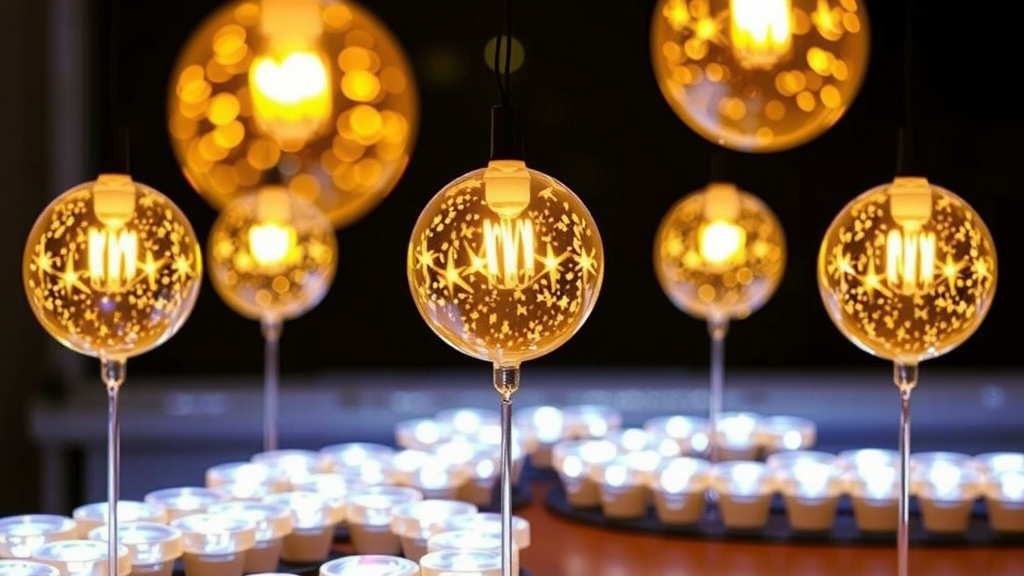
How Glitter Lamps Work: The Science Behind the Shine
Glitter lamps work by using a heating element to warm a mixture of water and oil. This causes the oil to rise and fall within the lamp, carrying glitter particles with it. The continuous movement creates that mesmerizing, bubbly effect you love. It’s a simple yet effective way to add a touch of magic to your space.
Many people wonder about the science behind these groovy lamps. It’s all about density and convection. The lamp contains a special formula that allows the oil and water to mingle without fully mixing. When heated, the oil becomes less dense and floats, lifting the glitter. As it cools, it becomes denser and sinks again, repeating the cycle. This unique process is what makes them so captivating to watch.
- Glitter lamps use a heating element.
- This heats a mix of water and oil.
- The heated oil rises, carrying glitter.
- As it cools, the oil sinks, repeating the cycle.
- It’s all about density and heat-driven movement.
Let’s dive into exactly how these captivating lamps create their magical swirling motion. We’ll break down the key components and the science that makes them shine.
Understanding How Glitter Lamps Create Their Magic
Ever stared at a glitter lamp and wondered how those tiny sparkles dance and swirl so hypnotically? It’s not magic, but it’s definitely fascinating science at play. We’re going to break down the components and the clever principles that make your glitter lamp a mesmerizing spectacle.
The Core Components of Your Glitter Lamp
At its heart, a glitter lamp is a fairly simple device. But the combination of its parts is what creates that captivating motion. Let’s look at what’s inside.
The Base: More Than Just a Stand
The base of your glitter lamp is where the action begins. It houses a low-wattage incandescent light bulb. This bulb serves two main purposes: illumination and heat. It lights up the lamp, of course, but its primary role in the swirling effect is to provide the necessary warmth.
The Liquid Mixture: Water and Oil’s Dance
Inside the glass vessel of the lamp, you’ll find a carefully balanced mixture. It’s typically made up of water and a type of oil. These two liquids don’t mix entirely, which is key to how the lamp works. You might also notice some additives that help keep the glitter suspended evenly.
The Glitter: The Star of the Show
And then there’s the glitter! This isn’t just random flecks. The glitter particles are usually made of a specific type of plastic. They are designed to be lightweight and float easily. Their size and shape are also important. They need to be small enough to be carried by the moving liquid but large enough to be seen clearly as they ascend and descend.
The Science Behind the Swirl: Density and Heat
The mesmerizing motion isn’t random; it’s a result of basic scientific principles. Specifically, it’s all about how heat affects the density of the oil. Let’s break it down.
Convection Currents: The Driving Force
When you turn on the lamp, the light bulb in the base heats up. This heat is transferred to the liquid mixture at the bottom of the lamp. The oil, being less dense than water, begins to warm up. As the oil heats, it expands slightly and becomes even less dense. This causes it to rise through the water.
The Ascent of the Glitter
As the warmed oil particles rise, they carry the suspended glitter along with them. Imagine tiny boats carrying passengers. The oil is the boat, and the glitter is the passenger. The upward movement of the oil creates the visual effect of the glitter floating upwards.
Cooling and Sinking: The Cycle Continues
Once the warm oil reaches the cooler top of the lamp, it starts to lose heat to the surrounding air. As it cools, the oil contracts and becomes denser again. Because it’s now denser than the water around it, it begins to sink back down towards the base of the lamp. This falling motion pulls the glitter down with it, completing the cycle.
Why They Don’t Mix
You might be asking, “Why don’t the water and oil just mix completely?” Water molecules are polar, meaning they have a slight positive charge on one side and a slight negative charge on the other. Oil molecules, on the other hand, are nonpolar. Polar and nonpolar substances generally don’t mix well. This difference in polarity is why they remain separate layers, allowing for the distinct convection currents to form.
A Table of Key Differences: Oil vs. Water in the Lamp
Understanding the properties of the liquids helps a lot. Here’s a quick look at why they behave the way they do:
| Property | Water | Oil |
|---|---|---|
| Polarity | Polar | Nonpolar |
| Density (Relative) | Denser (when cool) | Less dense (when cool) |
| Effect of Heat | Expands slightly, density decreases slightly | Expands more, density decreases significantly |
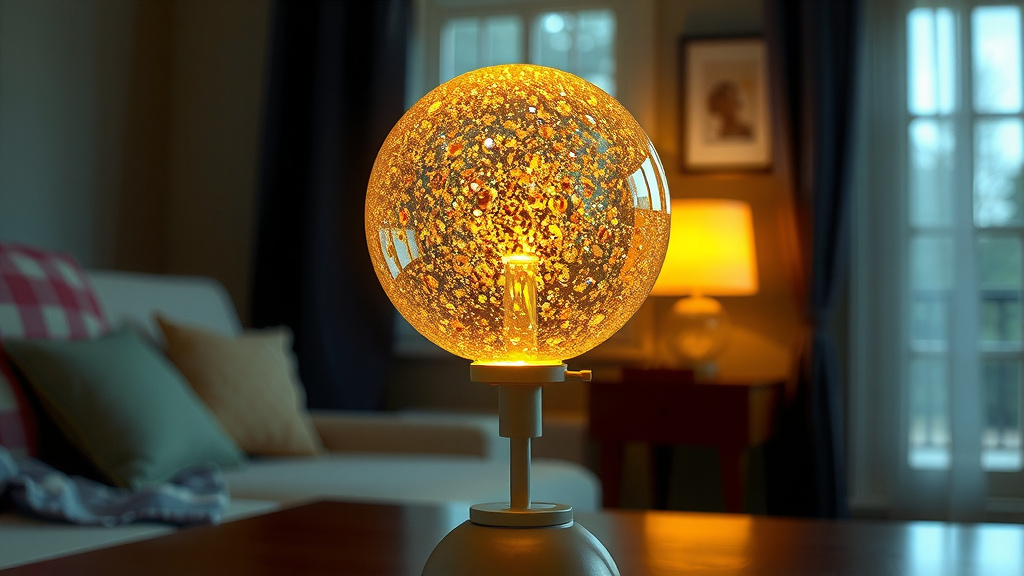
Factors Affecting Your Glitter Lamp’s Performance
While the science is consistent, a few things can influence how well your lamp performs. It’s good to be aware of these so you can get the best visual experience.
Ambient Temperature Matters
The temperature of the room where your lamp is located can play a role. If the room is very cold, it might take longer for the oil to heat up and start moving. Conversely, if the room is quite warm, the oil might not cool down enough at the top to sink effectively, potentially leading to a less active swirl. Most manufacturers recommend placing the lamp in a room with a moderate temperature, typically between 68°F and 77°F (20°C to 25°C).
The Light Bulb: A Crucial Element
The type and wattage of the light bulb are critical. Glitter lamps use specific incandescent bulbs that produce enough heat to drive the convection process without being too hot. If you replace the bulb with one that’s too low in wattage, it won’t generate enough heat. If it’s too high, you risk overheating the lamp or even damaging it. Always use the manufacturer-recommended bulb type.
Keeping Your Lamp in Good Condition
Over time, some sediment might form at the bottom of the lamp. This is usually normal and doesn’t necessarily affect the performance. However, if you notice the lamp isn’t swirling as well, it’s worth checking the bulb. Also, be sure to handle the lamp carefully, as it contains glass and liquid.
Quick Checklist for a Happy Glitter Lamp
Want to ensure your lamp is always at its best? Keep these simple points in mind:
- Place it in a room with moderate temperature.
- Ensure the correct wattage light bulb is installed.
- Handle it gently to avoid damage.
- Observe the oil and glitter; a good swirl means it’s working well.
- Avoid direct sunlight, as it can affect temperature.
Conclusion
So there you have it! Your glitter lamp isn’t just a pretty decoration; it’s a small science experiment in action. You’ve learned how the simple interplay of heat, density, and the unique properties of water and oil create that mesmerizing swirling effect. Understanding these principles helps you appreciate the magic even more. To keep your lamp sparkling, remember to place it in a moderate room temperature and always use the correct bulb. Now, go enjoy the captivating dance of light and glitter in your space!
Frequently Asked Questions
Can I use any kind of oil in a glitter lamp?
No, it’s best to use the type of oil recommended by the manufacturer or one that is specifically designed for glitter lamps. Different oils have different densities and heat properties, which are essential for the lamp’s performance. Using the wrong oil might prevent the swirling effect or even damage the lamp.
Why does my glitter lamp stop swirling after a while?
This usually happens when the lamp has reached a stable temperature, or the room temperature is too warm. If the liquid at the top doesn’t cool enough, the oil won’t become dense enough to sink. Make sure your lamp is in a room with moderate temperatures and that the light bulb is functioning correctly to provide adequate heat.
How long should a glitter lamp last?
With proper care, a glitter lamp can last for a very long time. The lifespan often depends on the quality of the lamp and the light bulb. The bulb will eventually burn out and need replacing, but the liquid and the rest of the lamp should remain functional for years. Just be gentle and avoid dropping it.
Can I leave my glitter lamp on all the time?
Most glitter lamps are designed to be left on for extended periods, often for hours at a time. However, it’s generally recommended to turn them off when you’re not actively using them or when you leave the house for safety and to prolong the life of the light bulb. Check the manufacturer’s instructions for specific guidance.
What causes the glitter to clump at the bottom?
If the glitter clumps, it might be due to static electricity or if the lamp has been shaken. Sometimes, the additives in the liquid can also wear down over time. Gentle handling and ensuring the lamp is placed on a stable surface can help prevent this. If it’s a consistent issue, the lamp might be nearing the end of its effective lifespan.

![10 Best Bedside Lamps Reddit [2026]](https://bestdesklamp.com/wp-content/uploads/2026/08/10-best-bedside-lamps-reddit-2026-featured-768x432.jpg)
![10 Best Daylight Therapy Lamp [2026]](https://bestdesklamp.com/wp-content/uploads/2026/09/10-best-daylight-therapy-lamp-2026-featured-768x432.jpg)