Candle Warmer Lamp vs Burning: Which Is Safer?
When you want your home to smell amazing, you have two main choices: a candle warmer lamp or traditional candle burning. Candle warmer lamps are generally safer because they eliminate an open flame, which is the biggest fire risk associated with candles. This means less worry about accidental fires and more enjoyment of your favorite scents.
While both methods fill your space with lovely aromas, the method of heating the wax makes a big difference in safety. Burning candles involves a direct flame, which can be hazardous if not supervised. A candle warmer lamp uses heat to melt the wax, offering a gentler and often preferred way to get that cozy fragrance experience.
- Candle warmer lamps offer a safer alternative to burning.
- They eliminate the open flame risk.
- Burning candles carry a higher fire hazard.
- Warmers melt wax gently for scent diffusion.
- Enjoy fragrance without the direct flame worry.
We know you want your home to smell wonderful safely. Below, we’ll walk you through the differences between candle warmer lamps and burning candles to help you choose the best option for your peace of mind.
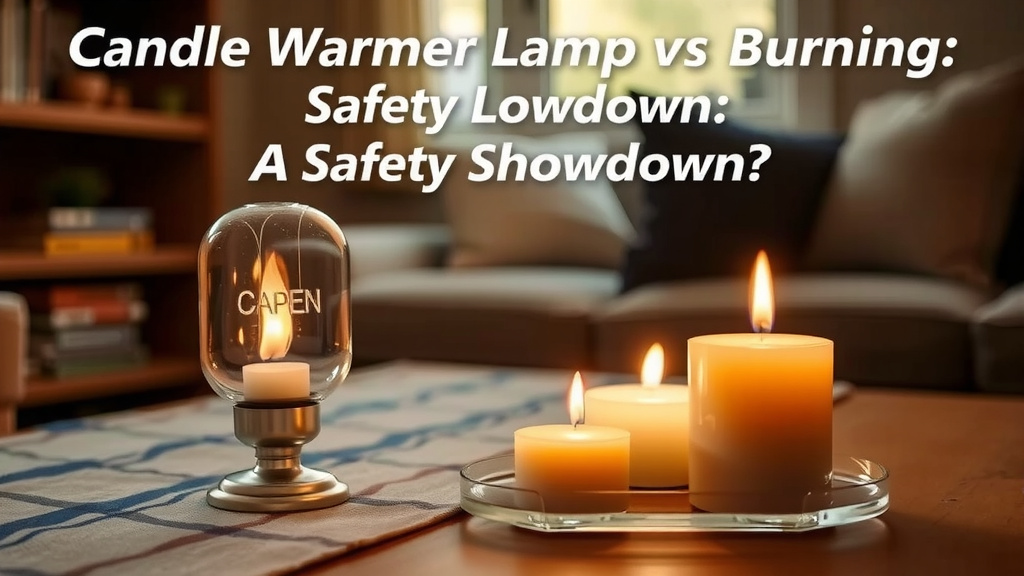
Here is the main body content for your blog post:Candle Warmer Lamp vs. Burning: A Safety Showdown
When you want your home to feel warm and smell inviting, candles are often your go-to. But how do you get that wonderful fragrance safely? We’ve looked into the differences between using a candle warmer lamp and traditional candle burning to help you make the best choice for your peace of mind.
The biggest difference between these two methods comes down to one thing: fire. Burning a candle means you’re actively using an open flame. This flame is the primary reason experts warn about candle safety. Candle warmer lamps, on the other hand, use a heat source to melt the wax. This eliminates the open flame entirely, making them a much safer option in many situations.
The Risks of Open Flames: Why Burning Candles Need Extra Care
Let’s talk about burning candles. They create a beautiful ambiance, and the scent fills your room. But that flame, while lovely, is a serious fire hazard. Research from the National Fire Protection Association (NFPA) consistently shows that unattended candles are a leading cause of home fires. These fires can start in many ways.
How Fires Can Start with Burning Candles
Think about where you place your candles. A candle too close to curtains, bedding, or paper can easily ignite these flammable materials. Even a slight draft can cause a flame to flicker and jump, potentially catching nearby items. This is why you’ll often hear fire safety officials stress the importance of keeping burning candles at least 12 inches away from anything that can burn (NFPA).
Pets and children also add another layer of risk. A curious cat might knock over a candle. A child might touch a burning candle, causing a burn. Even an accidental bump can send a burning candle tumbling. These incidents, while sometimes minor, can quickly turn into major emergencies.
When a Burning Candle Goes Wrong
Imagine you’re enjoying a cozy evening, and you accidentally fall asleep with a candle burning. Or perhaps you leave home for just a few minutes, forgetting to blow out a candle. These scenarios, while not intentional, are exactly how devastating house fires begin. The speed at which a fire can spread is astonishing.
We found that many people associate candle safety with simply remembering to blow them out. While this is critical, it doesn’t account for all risks. The heat from the flame also makes the wax pool hot. If the candle is tipped, that hot wax can spill and cause burns or spread fire. It’s a constant need for vigilance.
Candle Warmer Lamps: A Flame-Free Fragrance Solution
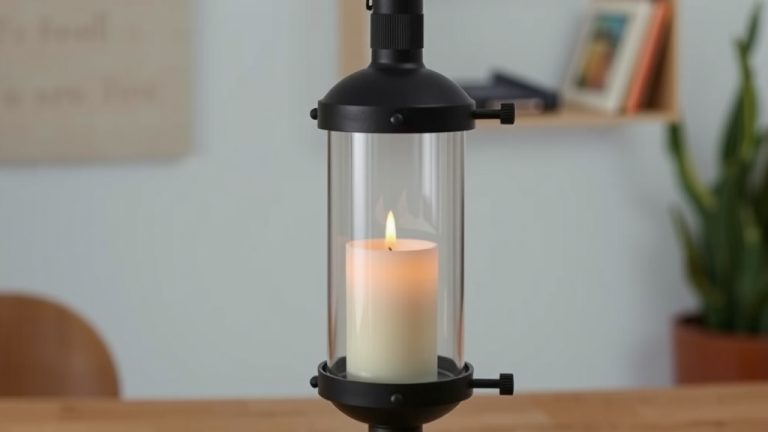
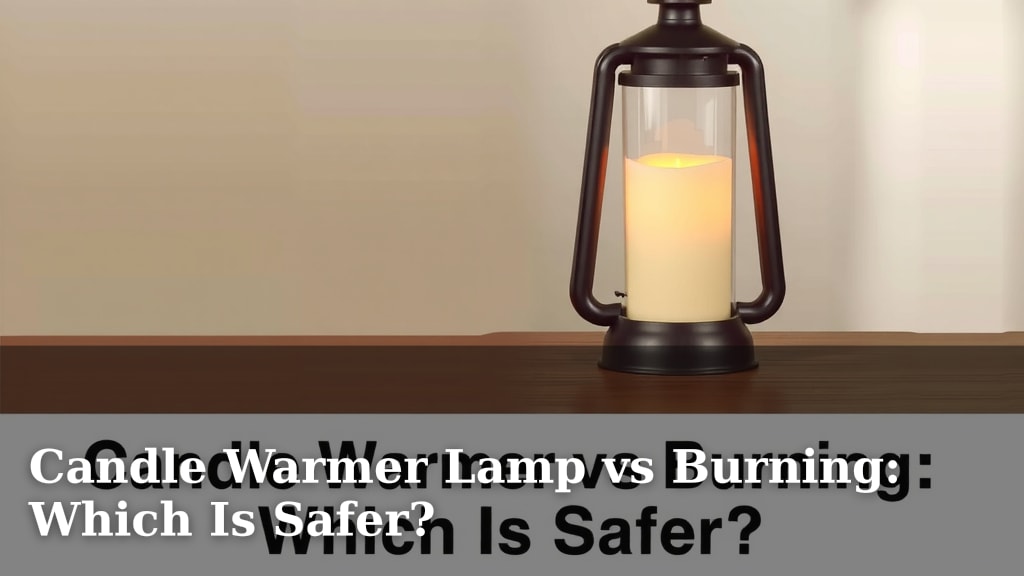
Now, let’s consider the candle warmer lamp. These devices typically use a heating element, often a bulb or a hot plate, to gently melt the wax. This process releases the fragrance without any open flame. It’s a fundamentally different approach to scent diffusion.
The primary safety benefit is clear: no open flame means no ignition source for nearby materials. This makes them a fantastic choice for households with children, pets, or even for those who tend to be a bit forgetful. You can enjoy your favorite scents with considerably less worry.
How Candle Warmer Lamps Work
Most warmer lamps use a light bulb to generate heat. This bulb sits beneath the wax. As the bulb heats up, it warms the wax in the candle jar. The melted wax then releases its scent into the air. Some models use a hot plate at the base of the lamp to achieve the same effect.
The heat is generally controlled and consistent. You don’t have to worry about a flame flickering or jumping. It’s a steady, controlled melt. This controlled melting also helps to preserve the fragrance compounds in the wax, which many users report leads to a more consistent scent throw.
Safety Advantages of Warmers
Because there’s no flame, the risk of a candle tipping over and causing a fire is practically eliminated. You also don’t need to worry about the flame height changing or soot buildup. The wax melts evenly from the top down. This consistent melting ensures you get the most out of your candle.
We found that many users appreciate the peace of mind. The ability to leave the warmer on while you’re in the room, even if you step away for a moment, is a huge relief. It’s like having a scented air freshener, but with the richness and complexity of a real candle fragrance.
Comparing the Two: A Quick Overview
To help you see the differences clearly, let’s break them down:
| Feature | Candle Burning | Candle Warmer Lamp |
|---|---|---|
| Primary Scent Release | Open flame heats wax and wick. | Heat source melts wax. |
| Fire Risk | High. Open flame can ignite nearby materials. | Very Low. No open flame. |
| Supervision Needed | Constant. Never leave unattended. | Minimal. Safe to leave on when home. |
| Ease of Use | Simple, but requires careful placement and attention. | Plug in and turn on; place candle on top. |
| Scent Longevity | Can be inconsistent, affected by draft and burn time. | Often more consistent, melts evenly. |
| Risk with Pets/Kids | Higher. Risk of knocking over or touching flame. | Lower. Eliminates direct flame hazard. |
Making the Safe Choice for Your Home
When it comes down to safety, the candle warmer lamp is the clear winner. The elimination of the open flame addresses the most significant risk associated with traditional candle use. Think of it as choosing between an open campfire and a controlled stovetop burner. Both can cook your food, but one carries far more inherent danger.
If you have a busy household, young children, playful pets, or simply want an extra layer of security, a warmer is a wise investment. You can still enjoy the ambiance and beautiful scents you love, but with greatly reduced risk.
Your Candle Safety Checklist
To ensure you’re always enjoying your home’s fragrance safely, keep these tips in mind:
- Always place burning candles on a stable, heat-resistant surface.
- Keep burning candles at least 12 inches away from anything flammable.
- Never leave a burning candle unattended.
- Ensure children and pets cannot reach burning candles.
- Consider a candle warmer lamp for a flame-free experience.
- Extinguish candles completely before leaving a room or going to sleep.
Conclusion
You’ve learned how candle warmer lamps offer a clear safety advantage by eliminating the open flame, the main cause of candle-related fires. While burning candles bring a cozy glow, they require constant vigilance due to fire risks, especially around children and pets. Warmers provide a flame-free way to enjoy beautiful scents, offering peace of mind for your home environment. We found that for many households, a candle warmer is the smarter, safer choice for a fragrantly happy home. So, consider making the switch to a warmer for worry-free enjoyment of your favorite aromas.
Frequently Asked Questions
Are candle warmer lamps really safer than burning candles?
Yes, candle warmer lamps are generally considered much safer. They eliminate the open flame, which is the primary fire hazard associated with traditional candle burning. This makes them a great choice if you have concerns about fire safety.
Can I leave a candle warmer lamp on unattended?
You can usually leave a candle warmer lamp on while you are home and in the vicinity. Unlike burning candles, there’s no open flame to worry about, greatly reducing the risk if you need to step away for a moment.
Do candle warmer lamps release as much fragrance as burning candles?
Many users find that candle warmer lamps release a consistent and pleasant fragrance. The controlled melting process can sometimes lead to a more even scent throw compared to the variable burn of a wick.
Are candle warmer lamps safe around kids and pets?
Candle warmer lamps are significantly safer around children and pets because they do not have an open flame. This removes the risk of accidental burns or the candle being knocked over and starting a fire.
Will a candle warmer lamp damage my furniture?
Typically, no. Candle warmer lamps are designed to sit on a surface and melt wax. It’s still a good idea to place yours on a heat-resistant mat or coaster to be extra cautious and protect your furniture from any heat marks.
![10 Best Cheap Sad Lamp [2026]](https://bestdesklamp.com/wp-content/uploads/2026/08/10-best-cheap-sad-lamp-2026-featured-768x432.jpg)
![10 Best Affordable Table Lamps [2026]](https://bestdesklamp.com/wp-content/uploads/2026/09/10-best-affordable-table-lamps-2026-featured-768x432.jpg)