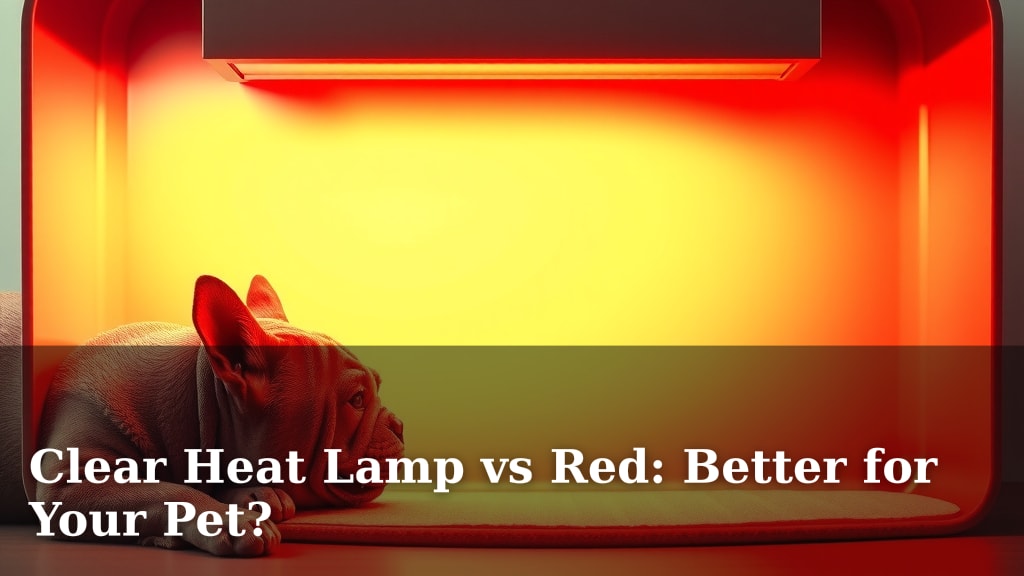
Clear Heat Lamp vs Red: Better for Your Pet?
When choosing between a clear heat lamp and a red heat lamp for your pet, the clear heat lamp is generally better. Clear bulbs provide a more natural light spectrum, mimicking daylight, which is less disruptive to your pet’s natural sleep-wake cycle. Red bulbs, while often thought to be soothing, can actually interfere with their rest and stress them out.
Many pet owners wonder about the best way to provide warmth without causing harm. Research and expert recommendations point to the importance of light spectrum for reptile and amphibian well-being. Understanding the differences can help you create a healthier environment for your scaly or feathered friend, avoiding potential sleep disturbances and stress.
- Clear heat lamps are best for your pet’s natural light cycle.
- Red heat lamps can disrupt sleep and cause stress.
- Natural light helps pets regulate their day and night.
- Choose clear bulbs for a healthier habitat.
Let’s dive into why the type of heat lamp matters and which one is the winning choice for your pet’s comfort and health.
Clear vs. Red Heat Lamps: What’s Best for Your Pet?
Choosing the right heat lamp can seem tricky. You want your pet to be warm and comfortable. But what kind of light is actually good for them? We’ve found that clear heat lamps are generally the best choice for most pets, especially reptiles and amphibians. They mimic natural sunlight better. Let’s figure out why.
Understanding Reptile and Amphibian Needs
Your pet’s environment is super important for their health. This includes temperature and light. Many of our scaly or smooth-skinned friends rely on specific heat sources. They also need a proper day-night cycle. This is where heat lamps come into play. Understanding their natural needs helps us pick the right equipment.
The Importance of Natural Light Cycles
Think about your own day. You wake up with the sun and wind down in the evening. Your pet has a similar internal clock. This is called a circadian rhythm. It affects everything from their appetite to their sleep. Disrupting this cycle can cause stress and health problems. Natural light is key to keeping this clock ticking correctly.
How Heat Lamps Affect Sleep
Some heat lamps emit colored light. Red bulbs are popular for this. The idea is that red light won’t disturb sleep. But research suggests this isn’t always true. Some studies show that continuous red light can still interfere with rest. Your pet might not get the deep sleep they need. This can lead to a grumpy pet and long-term health issues. Experts often recommend avoiding colored light bulbs for primary heat sources.
Clear Heat Lamps: Mimicking Daylight
Clear heat lamps do what their name suggests: they provide heat and clear, visible light. This type of light is very similar to natural sunlight. It allows your pet to experience a normal day and night. They can see their surroundings clearly. This is important for their behavior and well-being. It helps them feel secure.
Benefits of a Full Light Spectrum
Clear bulbs offer a broader spectrum of light. This is closer to what animals would experience in the wild. It helps with vitamin D3 synthesis, which is vital for calcium absorption. Without enough calcium, reptiles can develop serious bone diseases. A clear bulb helps provide the right kind of light for these essential processes.
Red Heat Lamps: Potential Downsides
Red heat lamps are often used because they emit heat without visible light. The theory is that they can be left on overnight. However, this can be problematic. While they might not produce bright light, the color itself can still be perceived by your pet. This might prevent them from getting a full night’s rest.
Stress and Behavioral Issues
Constant exposure to red light, even if it seems dim to us, might be stressful for some pets. They may not be able to fully relax or sleep. We found that some owners report increased anxiety or unusual behavior in pets kept under red light continuously. It’s like you trying to sleep with a dim red nightlight on all night. It’s just not the same as natural darkness.
Comparing Heat Lamp Types
Let’s break down the key differences. This table should help you see which might be best for your pet’s specific needs.
| Feature | Clear Heat Lamp | Red Heat Lamp |
|---|---|---|
| Light Spectrum | Mimics natural daylight. Provides full spectrum. | Emits primarily red light. Limited spectrum. |
| Impact on Sleep Cycle | Supports natural day-night cycle. Promotes rest. | May interfere with natural sleep. Can cause stress. |
| Visibility | Provides clear, visible light. Your pet can see. | Low visible light. Pet’s environment is dimly lit. |
| Best Use | Primary heat source during the day. Supports natural behavior. | Generally not recommended as primary heat source. Sometimes used for very specific, short-term needs if advised by a vet. |
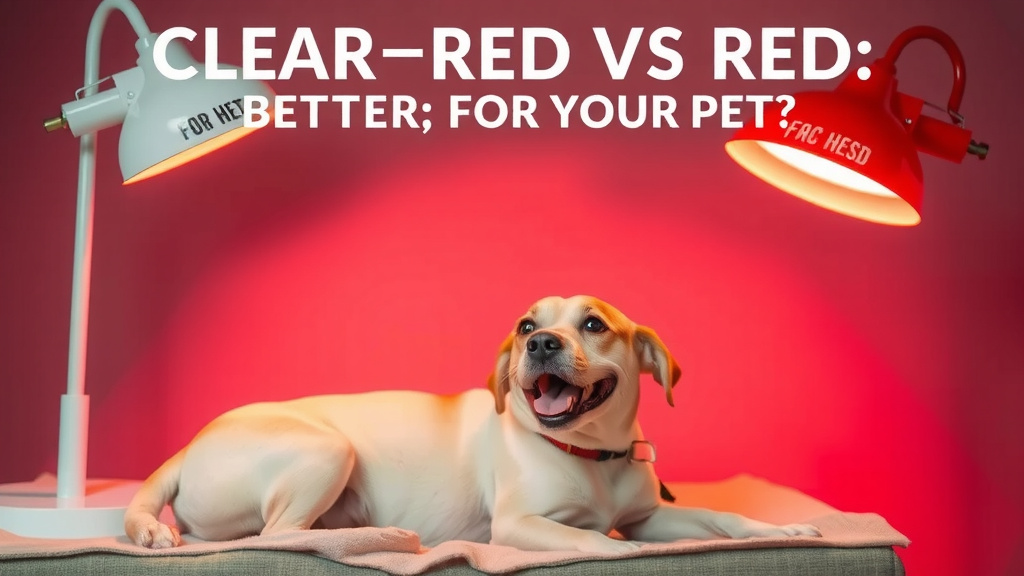
Expert Recommendations for Pet Heat Sources
Many veterinary professionals and reptile experts lean towards clear heat bulbs. They prioritize supporting a pet’s natural behaviors and biological rhythms. They often advise using a clear bulb for daytime heat. For nighttime warmth, a ceramic heat emitter or a different type of low-level heat source is preferred. These provide heat without any light at all. Always check with your veterinarian for specific advice tailored to your pet.
Creating the Ideal Habitat: A Checklist
Ready to make sure your pet’s home is just right? Here’s a quick checklist to help you create a healthy and comfortable environment:
- Use a clear heat lamp for daytime warmth.
- Ensure your pet has a distinct “day” and “night” period.
- Provide a basking spot with the correct temperature gradient.
- If nighttime heat is needed, use a lightless source like a ceramic heat emitter.
- Monitor your pet’s behavior for signs of stress or discomfort.
- Consult with a reptile or exotic pet veterinarian for personalized advice.
Conclusion
Choosing the right heat lamp makes a real difference for your pet’s health and happiness. We’ve found that clear heat lamps are the superior choice for most pets. They mimic natural daylight, supporting your pet’s natural sleep-wake cycle and overall well-being. Red heat lamps, while sometimes used, can disrupt rest and cause stress. Prioritizing a clear light spectrum helps create a healthier, more natural habitat for your pet. Make the switch to a clear bulb to ensure your pet thrives with proper light and rest.
Frequently Asked Questions
Can I use a red heat lamp all night for my reptile?
It’s generally not recommended to use a red heat lamp all night as a primary heat source. While the light might seem dim to you, your reptile can still perceive it, potentially disrupting their natural sleep cycle and causing stress. Research suggests that constant light exposure, even red, can interfere with their rest.
Will a clear heat lamp disturb my pet’s sleep?
No, a clear heat lamp is designed to mimic natural daylight. This means it supports your pet’s natural circadian rhythm, helping them differentiate between day and night. This leads to better quality sleep compared to colored bulbs that can interfere with their rest cycle.
What’s the difference between a clear heat lamp and a regular light bulb?
A clear heat lamp provides both heat and a full spectrum of visible light similar to natural sunlight. Regular light bulbs might offer light but not the specific heat wavelengths or spectrum that many reptiles and amphibians need for thermoregulation and vitamin D3 synthesis.
My pet seems fine under a red heat lamp, is it still a problem?
Even if your pet doesn’t show obvious signs of distress, continuous exposure to red light might still be causing subtle stress or sleep disruption. Your pet may not be getting the deep, restorative sleep they need. We found that clear bulbs are a safer bet for long-term health and well-being.
If I need nighttime heat, what should I use instead of a red lamp?
For nighttime warmth without light disruption, consider using a ceramic heat emitter (CHE). These devices provide heat but emit no visible light, allowing your pet to experience complete darkness for restful sleep. Always ensure any nighttime heating source is safe and at the appropriate temperature for your specific pet.
![10 Best Bright Lamps For Living Room [2026]](https://bestdesklamp.com/wp-content/uploads/2026/08/10-best-bright-lamps-for-living-room-2026-featured-768x432.jpg)

![10 Best Corner Lamps For Living Room [2026]](https://bestdesklamp.com/wp-content/uploads/2026/09/10-best-corner-lamps-for-living-room-2026-featured-768x432.jpg)
![10 Best Battery Pack For Lamps With No Outlet [2026]](https://bestdesklamp.com/wp-content/uploads/2026/08/10-best-battery-pack-for-lamps-with-no-outlet-2026-featured-768x432.jpg)