How Long to Sit in Front of a Sad Lamp for Best Results
Most people should sit in front of a sad lamp for 20 to 30 minutes each morning. That’s the sweet spot for light therapy when your lamp gives off around 10,000 lux. Less time may not help much, and more time can cause headaches or eye strain.
Sounds simple, right? Well, there’s a bit more to it. The right timing, distance from the lamp, and brightness all matter. We researched what sleep and light therapy experts recommend, and we found that consistency matters just as much as duration. Skipping days can weaken the benefits.
- 20 to 30 minutes is the standard daily session for most people.
- Morning use works best, ideally within the first hour of waking up.
- Keep the lamp about 16 to 24 inches from your face.
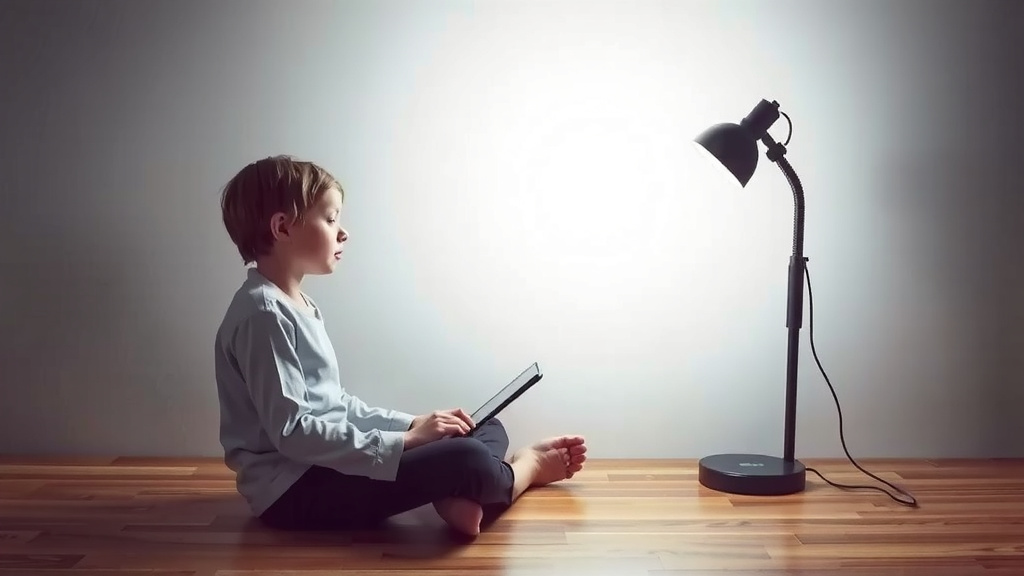
- You don’t need to stare at it. Reading or eating breakfast nearby works fine.
- Start with shorter sessions if you’re new, since too much too soon can cause side effects. Our step-by-step guide to using a light therapy lamp covers setup, distance, and your first-week routine.
Below, we break down everything you need to know about light therapy timing, so you can get the most out of your lamp without the guesswork. Let’s dig in.
Getting Your Sad Lamp Session Length Right
The honest answer: it depends on three things — your lamp’s brightness, your distance from it, and your own sensitivity. Most 10,000-lux lamps need 20 to 30 minutes. Weaker lamps may need longer sessions to deliver the same dose of light.
Think of it like watering a plant. A strong hose gets the job done fast. A weak trickle takes longer. Same water, different timing (Mayo Clinic).
How Brightness Changes Your Timing
Light therapy dosing is really about total light exposure. Brighter light at a closer distance means less time needed. Here’s a quick comparison to help you plan your mornings.
| Lamp Brightness | Typical Session Length | Notes |
|---|---|---|
| 10,000 lux | 20–30 minutes | The standard for most lamps |
| 5,000 lux | 45–60 minutes | Slower, but still can work |
| 2,500 lux or less | 1–2 hours | Often too weak to be worth it |
We found that experts generally recommend sticking with 10,000-lux lamps, since longer sessions with dim lamps are easy to abandon (Cleveland Clinic).
Why Morning Timing Matters So Much
When you use your lamp is almost as important as how long. Your body runs on an internal clock, and morning light is what sets it each day.
The Ideal Window
Aim to sit down within the first hour after waking. This tells your brain that the day has officially started. Many researchers say early morning light helps anchor your sleep-wake rhythm (NIH).
What Happens If You Use It at Night
Evening sessions can backfire. Bright light late in the day may push your body clock the wrong way and make it harder to fall asleep. If mornings are impossible for you, early afternoon is a safer backup than night.
Signs Your Session Is the Right Length
How do you know your timing is working? Your body gives you feedback. Watch for these good signs:
- You feel more awake within a week or two.
- Your mood lifts without jitters or restlessness.
- You fall asleep easier at night.
- No headaches, eye strain, or skin irritation.
If you get headaches or eye strain, your sessions may be too long or the lamp may sit too close. Shorten your time or push it back a few inches (Mayo Clinic).
Starting Out: Your First Two Weeks
New to light therapy? Don’t jump straight into 30 minutes on day one. Easing in gives your body time to adjust. Our step-by-step daylight lamp guide walks through placement, distance, and session length in detail.
A Simple Ramp-Up Checklist
- Days 1–3: Start with 10 minutes at 10,000 lux.
- Days 4–6: Move up to 15–20 minutes.
- Days 7–10: Try the full 30 minutes.
- Day 14 and beyond: Lock in your routine and track how you feel.
- Any day: If side effects show up, step back a notch.
Many clinicians suggest this gradual approach for people who are light-sensitive, and we found it’s a common tip in seasonal affective disorder care guides.
Consistency Beats Intensity
Here’s the part most people miss: a daily 20-minute habit beats an occasional hour-long session. Light therapy works by training your internal clock, and clocks don’t like being reset only sometimes.
It’s like exercise. One heroic workout won’t build fitness. Showing up most mornings will. Research summaries from the NCBI point to daily use as the pattern linked to the best results.
What to Do During Your Session
Good news: you don’t have to sit and stare like you’re waiting for a bus that’s never coming. The light works through your eyes’ exposure, not through direct staring.
- Eat your breakfast with the lamp on the table.
- Read a book, the news, or your emails.
- Do your makeup or shave nearby.
- Answer a few messages (we won’t judge).
Just keep your face roughly angled toward the light. Glancing at it now and then is plenty (Cleveland Clinic).
When to Adjust Your Session Length
Your needs can shift with the seasons, your schedule, and how your body responds. Some people find 15 minutes works fine by mid-winter once their routine is established. Others need the full 30 during dark, gray weeks.
Treat your first month as an experiment. Note your energy and mood, then tweak. If you’re unsure or you take medications that increase light sensitivity, check with your doctor before changing anything (NIH).
Conclusion
So, how long should you sit in front of a sad lamp? For most people, 20 to 30 minutes each morning at 10,000 lux hits the mark. Start small, ramp up over two weeks, and keep the lamp 16 to 24 inches from your face. Remember, the habit only works if you show up daily — your internal clock needs that steady morning signal. We researched what the experts suggest, and the pattern is clear: consistent, moderate sessions beat long, occasional ones every time. If side effects pop up, scale back. And if you’re unsure about your situation, loop in your doctor. Your next step? Set your lamp on the breakfast table tomorrow morning and give it two honest weeks.
Frequently Asked Questions
Can I sit in front of my sad lamp too long?
Yes, you can overdo it. Sessions that run well past an hour at full brightness may trigger headaches, jitteriness, or eye strain. If that happens, cut your time back and see if things settle down.
Do I need to blink or look at the lamp for it to work?
No, you don’t need to stare at it. The light works through general exposure to your eyes, so glancing at it now and then is enough. Reading or eating breakfast in its glow counts just fine.
How long does it take before a sad lamp starts working?
Most people notice a shift in energy or mood within one to two weeks of daily use. Some feel it sooner, others need a bit more time. If nothing changes after a month, it’s worth reviewing your timing and distance.
Can I use my sad lamp more than once a day?
You can, but it’s rarely necessary. A single morning session covers most people’s needs. If you split your time, keep the second session short and finish it by early afternoon so it doesn’t mess with your sleep.
Is it okay to skip a day with my sad lamp?
Missing one day won’t undo your progress, but making it a habit can dull the benefits. If you slip up, just pick things back up the next morning. The goal is showing up most days, not being perfect.