How Long to Use a Light Therapy Lamp for Best Results
Most light therapy lamps work best when you use them for 20 to 30 minutes each morning. That’s the sweet spot we found after digging into expert advice and user guides. Sit about 16 to 24 inches from the lamp, and you’ll get the full benefit without overdoing it. Our step-by-step daylight lamp setup guide walks through placement and first sessions in detail.
So why does timing matter so much? A 10,000-lux lamp mimics natural daylight, which helps reset your body clock and lift your mood during dark winter months. But too little time and you may not feel a difference. Too long, and some people get headaches or feel jittery. Ever felt wired after a long session? That’s usually the sign to dial it back.
- 20-30 minutes is the standard daily session for most people.
- Morning use, ideally within an hour of waking, works best.
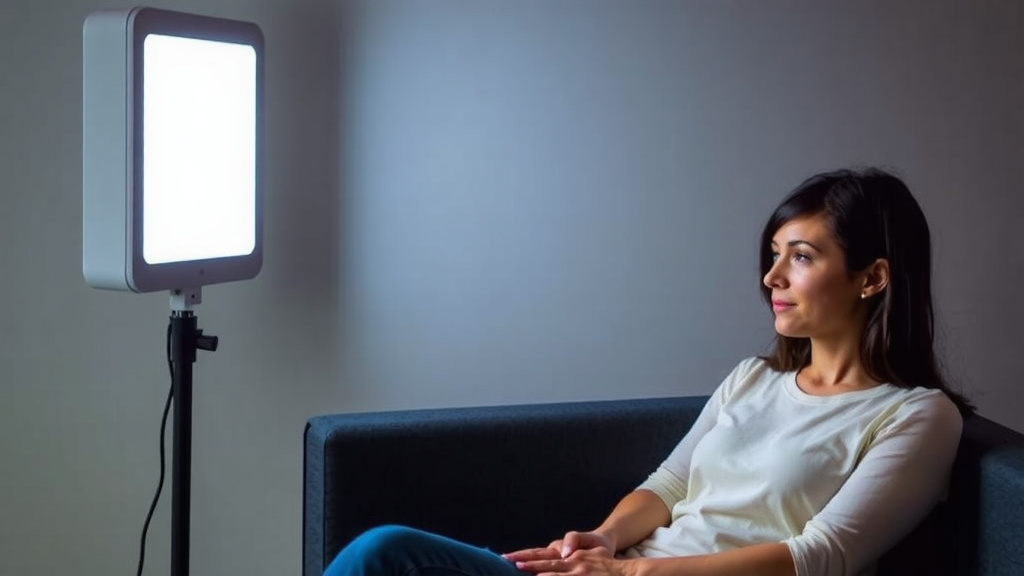
- Keep the lamp 16-24 inches from your face.
- Adjust time based on your lamp’s lux rating — weaker lamps need longer sessions.
- If you feel eye strain or restlessness, shorten your sessions.
Below, we break down everything you need to know about light therapy lamp timing — how session length changes with lux levels, the best time of day to use it, and what to do if it isn’t working for you.
How Long Should You Sit in Front of a Light Therapy Lamp?
For most people, 20 to 30 minutes at a 10,000-lux lamp does the job. We found that consistency matters more than marathon sessions. Think of it like brushing your teeth — short, steady, daily. That’s what actually moves the needle.
If your lamp is weaker, you’ll need more time. A 5,000-lux lamp often requires 45 to 60 minutes to match what a 10,000-lux lamp delivers in 20. Many experts recommend checking your lamp’s manual, because lux ratings can be confusing (Mayo Clinic).
Session Length by Lux Level
Here’s a quick way to think about it: lux is like the brightness of the light reaching your eyes. Brighter light means less time needed. Dimmer light means more time. Simple as that.
| Lamp Brightness | Recommended Session | Distance |
|---|---|---|
| 10,000 lux | 20-30 minutes | 16-24 inches |
| 5,000 lux | 45-60 minutes | 12-18 inches |
| 2,500 lux | 1-2 hours | 12 inches or closer |
We found that most quality lamps sold today hit the 10,000-lux mark, so the standard half-hour session applies to most shoppers. Just double-check the box before you buy. Our roundup of budget light therapy lamps highlights models that clearly list their lux ratings.
What Happens If You Use It Too Long?
More isn’t better here. Sit too long and you may get eye strain, headaches, or a jittery feeling. Some people even report trouble falling asleep if they overdo it. Your eyes will usually warn you first — they’ll feel tired or dry.
If that happens, don’t quit light therapy. Just shorten your sessions or sit a bit farther away. Many users find 15 minutes works fine once their body adjusts.
The Best Time of Day to Use Your Lamp
Morning wins, and it’s not close. Research and expert guidance suggest using your lamp within an hour of waking up (Cleveland Clinic). Early light tells your brain, “Hey, the day has started,” which helps set your internal clock.
Using it at night? That’s where people get into trouble. Evening sessions can push your sleep schedule later, leaving you tossing and turning. If you’re a night owl trying to shift earlier, morning light is your best friend.
What If You Can’t Do Mornings?
Life happens. Maybe you’re up at 4 a.m. for a shift, or mornings are pure chaos with kids and coffee. The good news: consistency beats perfection. If 10 a.m. is your realistic window, use it every day at 10 a.m.
Just try to keep it before early afternoon. A session after 3 p.m. can interfere with sleep for some people, according to guidance from the National Institute of General Medical Sciences on circadian rhythms.
A Simple Morning Routine That Works
Put your lamp on the table while you eat breakfast, scroll your phone, or read email. You don’t need to stare at it — just have it shining toward your face at an angle. Multitasking makes the habit stick.
Do You Need to Look Directly at the Light?
No, and you shouldn’t. Staring straight into a 10,000-lux lamp is a recipe for eye strain. The light works by hitting your retinas indirectly. Keep the lamp off to the side, at about a 30 to 45-degree angle, like a window on your desk.
Think of it like sitting near a sunny window. You don’t stare at the sun — you just enjoy the glow. Same idea here.
Can You Use It With Your Eyes Closed?
Sadly, no. Light therapy needs your eyes open to work. Closed eyelids block most of the light from reaching the cells that regulate your body clock. So keep those peepers open, even if you’re just sipping coffee and half-awake.
How Long Until You Notice Results?
Most people start feeling a difference in a few days to two weeks. Some notice a mood lift after just one or two sessions. Others need more patience. We found that people with seasonal patterns often report steady improvement after about two weeks of daily use (NCBI).
If nothing changes after a month of consistent use, it may be time to talk to a doctor. Light therapy helps many people, but it isn’t a cure-all, and persistent low mood deserves professional attention.
When to Check With a Doctor First
Certain conditions and medications make light therapy a bad idea without medical advice. A quick conversation can save you a headache — literally.
- You have an eye condition like glaucoma or retinal disease.
- You take medications that increase light sensitivity.
- You have bipolar disorder, since bright light can affect mood swings.
- You’re dealing with ongoing depression that needs proper care.
Light Therapy Timing Checklist
Print this out or screenshot it. These six steps cover 95% of what you need to know.
- Use it in the morning, ideally within an hour of waking.
- Sit for 20-30 minutes at 10,000 lux (longer for weaker lamps).
- Stay 16-24 inches away with the lamp at an angle.
- Keep your eyes open but don’t stare at the light.
- Show up daily — consistency beats occasional long sessions.
- Scale back if you notice eye strain, headaches, or restlessness.
Building a Habit That Actually Lasts
The hardest part of light therapy isn’t the timing. It’s remembering to do it at all. We found that people who tie their session to an existing habit stick with it far longer. Coffee, breakfast, morning emails — anchor your lamp to one of them.
Leave the lamp plugged in and within arm’s reach. If it’s buried in a closet, it becomes a museum piece by February. And if you miss a day? Don’t spiral. Just pick up again tomorrow. Your body clock forgives the occasional skip.
One last thought: winter blues are real, and you’re not imagining them. Research links reduced daylight to seasonal mood changes (NIH). A lamp won’t replace summer sunshine, but used right, it’s the next best thing on a gray Tuesday morning.
Conclusion
Light therapy timing comes down to a simple formula: 20 to 30 minutes each morning at 10,000 lux, with the lamp about 16 to 24 inches from your face at an angle. If your lamp is weaker, stretch the session longer. If you notice eye strain or restlessness, scale back. The real secret isn’t the minutes on the clock — it’s showing up every single day and anchoring the habit to something you already do. You now know how to use your lamp safely and effectively. So tomorrow morning, plug it in, pour your coffee, and give it two honest weeks. Your mood will tell you if it’s working.
Frequently Asked Questions
Can I split my light therapy session into two shorter ones?
You can, though we found most research focuses on single morning sessions. If 30 minutes at once feels impossible, try 15 minutes at breakfast and 15 mid-morning. Just finish both halves before early afternoon so your sleep isn’t affected.
Can I wear sunglasses or tinted glasses during a session?
No — sunglasses block the light your eyes need to receive, which defeats the purpose. Regular prescription glasses are fine since they’re clear. If your eyes feel sensitive, try moving the lamp farther away instead of blocking it.
Should I use my light therapy lamp year-round or only in winter?
That’s up to you and how you feel. Many people use theirs only during fall and winter when daylight drops off. Others keep a shorter daily session going all year, especially if they work indoors and rarely get outside.
Can I use my lamp while wearing makeup or skincare products?
Yes, absolutely. Light therapy works through your eyes, not your skin, so makeup and moisturizers won’t interfere. Just avoid products meant to increase sun sensitivity, since bright light close to your face could cause irritation.
Do I need a doctor’s approval before starting light therapy?
Most healthy adults can start without one, but a quick check-in is smart if you have eye conditions, take light-sensitive medications, or have bipolar disorder. If you’re unsure, a five-minute conversation with your doctor gives you peace of mind.