How Long Can You Leave a Himalayan Salt Lamp On
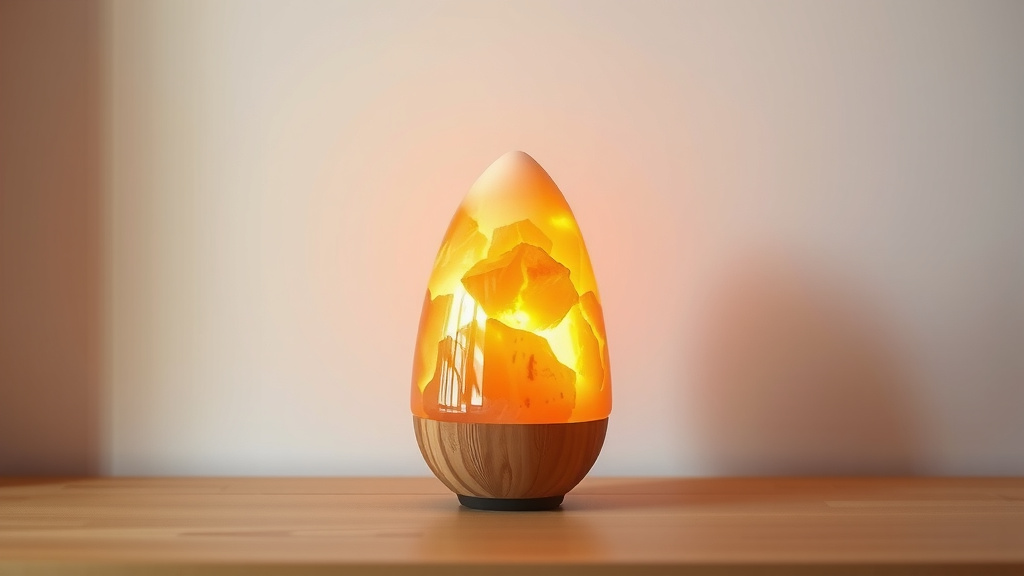
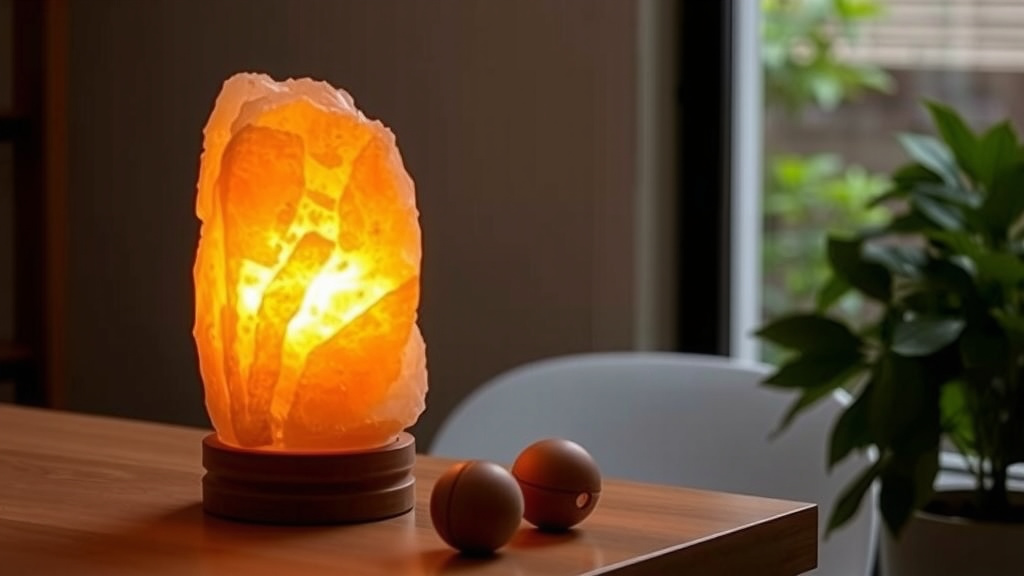
You can leave your Himalayan salt lamp on for extended periods, even 24/7, as long as you ensure it’s placed on a stable, protected surface. These lamps are designed for continuous use, and many people choose to keep them plugged in to enjoy their soothing glow and potential air-purifying benefits around the clock. Just be mindful of condensation.
It’s important to understand that while leaving your salt lamp on is generally safe and even recommended by some for maximum effect, a few considerations come into play. You’ll want to protect your furniture from potential moisture buildup and ensure the lamp is in a well-ventilated area. Over time, salt lamps can attract humidity, so being prepared is key to enjoying your lamp without worry.
- Himalayan salt lamps can be left on continuously.
- Leaving them on can enhance their ambiance.
- Protect surfaces from potential moisture.
- Ensure good ventilation around the lamp.
Let’s dive into the specifics of how long you can safely keep your Himalayan salt lamp illuminated and what you need to know to keep it in great shape.
Your Himalayan Salt Lamp: How Long Can It Stay On?
Wondering about the runtime for your beautiful Himalayan salt lamp? You’re in luck! Most experts and manufacturers suggest you can leave your salt lamp plugged in and turned on for as long as you like. Many people choose to keep them on 24/7 to enjoy their gentle, calming glow and the cozy atmosphere they create. It’s not like a typical incandescent bulb that needs rest.
The Benefits of Continuous Use
Keeping your salt lamp on can contribute to its ambiance and potential benefits. The heat generated by the bulb gently warms the salt. This warming action is thought to help the lamp attract moisture from the air. As the moisture evaporates, it may carry dust particles and allergens with it, leaving the air feeling fresher.
Creating a Soothing Atmosphere
The soft, warm light emitted by a salt lamp is often compared to a campfire or candlelight. This natural, dim glow is perfect for winding down after a long day. Leaving it on in the evening can help signal to your brain that it’s time to relax, potentially improving your sleep environment. Imagine coming home and being greeted by this gentle light – it’s a wonderful way to de-stress.
Potential Air-Purifying Properties
While scientific research on the air-purifying claims of salt lamps is still developing, the theory is interesting. As the lamp heats up, it’s believed to release negative ions. These negative ions might help to neutralize positively charged pollutants like dust, pollen, and smoke in the air. Think of it like a gentle, natural air freshener working over time.
Understanding Condensation: Your Lamp’s Natural Cycle
One of the most important things to understand about your salt lamp is that it’s hygroscopic. This means it naturally attracts moisture from the surrounding air. When the lamp is on, the bulb generates heat, which causes this collected moisture to evaporate back into the air. This is a normal and healthy cycle for your lamp.
When Does Condensation Happen?
Condensation is more likely to occur when the lamp is off, or in environments with very high humidity. If your lamp is off for extended periods, the salt can absorb a lot of moisture, and you might notice small water droplets forming on the surface. This is especially common in bathrooms or kitchens where humidity levels are naturally higher. It’s not a sign of a defect, just the salt doing its job!
Protecting Your Surfaces
Because of this natural moisture attraction, it’s crucial to protect the surfaces where you place your salt lamp. You’ve probably seen this in the lamp’s instructions: always use a stable, heat-resistant base or coaster. This prevents any moisture that the lamp absorbs from damaging your furniture. A small amount of water can warp wood or leave rings on tables.
We found that a simple cork coaster or a small ceramic dish works wonders. This protects your nightstand, desk, or dresser from any potential water damage. It’s a small step that ensures your lamp and your furniture stay in great condition for years to come. Keeping the lamp on also helps to minimize this surface moisture because the heat evaporates it.
Factors Affecting Your Lamp’s Runtime
While you can leave your lamp on continuously, a few factors might influence how often you choose to do so. These include the humidity of your home, the wattage of the bulb inside, and your personal preference for its ambient light.
Humidity Levels in Your Home
If you live in a very humid climate, you might notice your lamp “sweating” more, even when it’s on. In these situations, keeping the lamp on for longer periods can actually be beneficial. The heat helps to evaporate the moisture more effectively. However, if you notice significant pooling of water, it might be a sign that your lamp is working overtime to dehumidify.
In extremely high humidity, some users find it helpful to turn the lamp off for a few hours to let it dry out, then turn it back on. This is a less common scenario, though. For most homes, continuous use is perfectly fine and helps manage any minor condensation.
Bulb Wattage and Heat Output
The bulb inside your salt lamp plays a key role. Most come with low-wattage incandescent bulbs (typically 15-25 watts). These bulbs generate enough heat to warm the salt and facilitate evaporation without being overly hot. If you’re using a different type of bulb or one with a higher wattage, monitor how it affects your lamp and the surrounding area.
You want a bulb that provides warmth but doesn’t overheat the entire lamp. Some people experiment with LED bulbs, but these often don’t generate enough heat to fully activate the salt’s properties. We found that the original incandescent bulbs are usually best for the intended warming and evaporation cycle.
When to Consider Turning Your Lamp Off
While you can leave your lamp on 24/7, there are a few specific instances where you might want to switch it off. These are generally for practical reasons or when you’re not actively benefiting from its light or potential effects.
Extended Absences
If you’re going to be away from home for several days or longer, it’s a good idea to unplug your salt lamp. This is primarily a safety precaution. While the risk is low, it’s always wise to turn off electrical devices when they’re not in use for extended periods. It also gives the lamp a chance to dry out fully, which can be good for it.
When Not in Use for Ambiance
If you use your salt lamp mainly for its ambient glow in the evening, you likely don’t need it on all day. Turning it off during daylight hours is perfectly acceptable and can save a little energy. Your lamp will be ready to go when you want that cozy atmosphere again. It’s all about what works for your routine and your home.
Your Salt Lamp Checklist for Continuous Use
To make sure you’re getting the most out of your Himalayan salt lamp and keeping it in top condition, keep this simple checklist in mind:
- Protect Surfaces: Always use a coaster or base to catch potential moisture.
- Stable Placement: Ensure the lamp is on a flat, secure surface.
- Adequate Ventilation: Don’t enclose the lamp; allow air to circulate.
- Monitor Humidity: Be aware of very high humidity and its effect on your lamp.
- Use Recommended Bulbs: Stick to low-wattage incandescent bulbs for best results.
- Unplug When Away: Turn off and unplug for long absences.
Conclusion
You’ve learned that your Himalayan salt lamp is designed for continuous use, offering a calming glow and potential air-purifying benefits around the clock. The key to enjoying your lamp worry-free lies in understanding its natural hygroscopic nature. By always protecting your surfaces and ensuring good ventilation, you create an ideal environment for your lamp to function. Remember to unplug for extended absences for safety. Now you’re equipped to let your lamp shine as often as you like!
Frequently Asked Questions
How long is “too long” to leave a salt lamp on?
Generally, there isn’t a “too long” for leaving your salt lamp on, as they are meant for continuous use. The primary concern isn’t the duration itself, but ensuring you’ve taken steps to manage potential condensation.
Will leaving my salt lamp on all the time increase my electricity bill?
Most Himalayan salt lamps use very low-wattage bulbs, typically 15-25 watts. This means they consume minimal electricity, comparable to a night light, so leaving it on 24/7 will likely have a very small impact on your energy bill.
Can I leave my salt lamp on in a very humid bathroom?
While you can leave it on, a very humid environment like a bathroom might cause more condensation. If you notice water pooling, consider using a small towel underneath or turning it off during peak humidity and letting it dry out.
Is it safe to leave a salt lamp on while I sleep?
Yes, it is generally safe to leave your salt lamp on while you sleep. The low-wattage bulbs produce a gentle warmth and soft light that many find conducive to relaxation and a better sleep environment.
Should I turn off my salt lamp if I’m only going to be out for a few hours?
For short absences of a few hours, you don’t necessarily need to turn off your salt lamp. It’s primarily for extended periods away from home that unplugging is recommended for safety and to allow the lamp to dry if needed.