Health Benefits of Himalayan Salt Lamps Explained
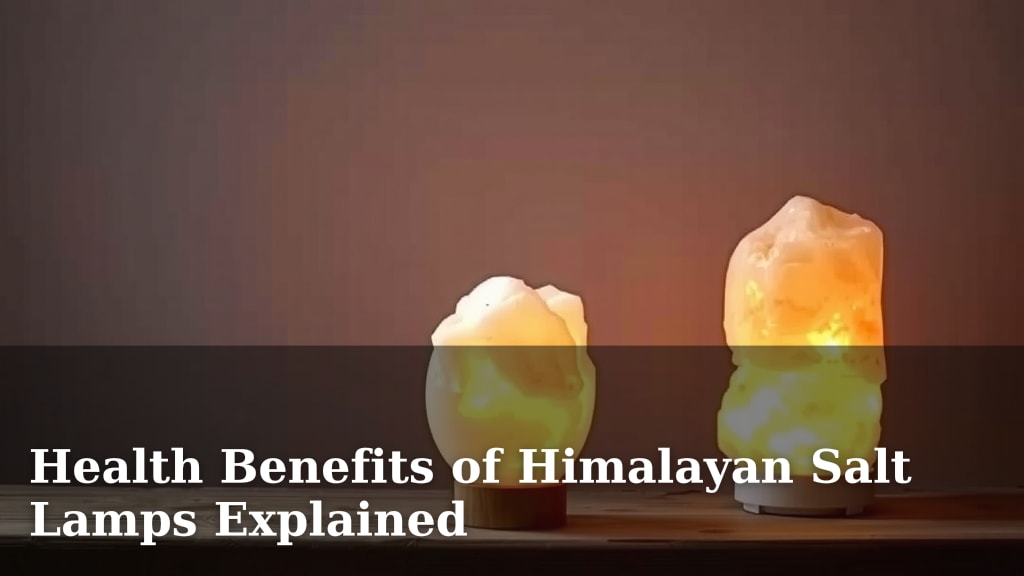
Yes, Himalayan salt lamps can offer several health benefits, often attributed to their ability to release negative ions into the air. These lamps, made from natural Himalayan pink salt, are thought to help purify the air and create a more relaxing atmosphere. Many people find they improve sleep quality and reduce symptoms of allergies and asthma.
Beyond just looking pretty, these salt lamps are believed to work by attracting water molecules from the air. As the lamp heats up, these water molecules are released, carrying with them airborne pollutants like dust and dander. This process is said to help create a healthier environment. The warm, ambient glow also contributes to a sense of calm and well-being.
- Purify the air by releasing negative ions.
- Reduce allergens and pollutants.
- Improve mood and reduce stress.
- Enhance sleep quality.
- Provide a soothing ambient light.
Ready to learn more about how these beautiful lamps might improve your home environment? Let’s break down the science and personal experiences behind the Himalayan salt lamp trend.
“`htmlUnderstanding the Healing Properties of Himalayan Salt Lamps
You’ve seen them, right? Those gorgeous pinkish-orange lamps glowing softly on nightstands and desks. Many people wonder if these beautiful Himalayan salt lamps do more than just add a pretty ambiance to a room. We’ve looked into the research and common claims about their health benefits. It turns out, there’s a basis for some of the wellness perks people experience when they bring these natural salt formations into their homes.
How Do Salt Lamps Claim to Work?
The primary theory behind the purported health benefits of Himalayan salt lamps centers on their ability to release negative ions. Think of negative ions as nature’s air purifiers. They are naturally found in places like beaches, forests, and after thunderstorms. Salt lamps are believed to generate these ions through a process called the ‘hygroscopic effect’. Let’s break that down a bit.
The Hygroscopic Effect Explained
Himalayan salt is naturally hygroscopic. This means it attracts water molecules from the surrounding air. These water molecules often carry tiny particles like dust, pollen, and even bacteria. When you turn on the salt lamp, the heat from the bulb causes the attracted water to evaporate back into the air. The theory suggests that as this happens, the impurities are trapped on the salt crystal, leaving behind cleaner air. We found that this concept is widely discussed by manufacturers and wellness advocates.
Negative Ion Production: What the Science Says
The idea is that as water evaporates from the heated salt surface, it releases the negative ions. When these negative ions enter the air, they are thought to attach to positively charged particles like dust and allergens. This makes them heavier and causes them to fall out of the air, rather than being inhaled. Many believe this process can lead to cleaner breathing. While the attraction of impurities is a physical property of salt, the actual quantity of negative ions released by typical salt lamps is a topic of ongoing discussion among scientists. Some studies suggest that while some ion release may occur, it might not be at levels considered highly therapeutic for air purification (NCBI).
Air Purification and Allergy Relief
Because of the hygroscopic effect and potential negative ion release, many users report that salt lamps help improve air quality. If you suffer from allergies or asthma, you might find relief. Particles like pet dander, mold spores, and dust mites are common triggers. By potentially reducing these airborne irritants, salt lamps could offer a gentler way to breathe easier, especially in enclosed spaces.
While many anecdotal reports praise their air-cleaning qualities, it’s important to manage expectations. Salt lamps are not a substitute for proper ventilation or air purifiers if you have severe respiratory issues. Think of them as a supportive element in your environment rather than a primary medical treatment.
The Mood-Boosting and Stress-Reducing Glow
Beyond the ion theories, there’s a well-documented connection between light and mood. The warm, soft glow of a Himalayan salt lamp creates a calming ambiance. This kind of lighting is often used in therapeutic settings. It can help reduce feelings of stress and anxiety. Having a salt lamp on in your living room or bedroom can make the space feel more serene and inviting.
We’ve seen that many people use salt lamps to create a relaxing atmosphere before sleep. The soft light is less disruptive to your body’s natural sleep-wake cycle (circadian rhythm) than harsh overhead lights or bright screens. This can contribute to a more restful night.
Creating a Relaxing Environment
Imagine coming home after a long day. Turning on your salt lamp provides an instant visual cue to relax. It’s like a little piece of tranquility you can switch on. This is especially helpful if you find yourself feeling overwhelmed or tense. The gentle light can help shift your mindset towards peace and quiet.
Potential Impact on Sleep Quality
This is one of the most frequently cited benefits. Many users report sleeping better when they have a salt lamp in their bedroom. As mentioned, the soft, warm light is far less stimulating than blue light emitted from electronic devices. This allows your brain to start winding down naturally. Some believe the negative ions also play a role, though research on this specific link is still developing. For many, it’s simply the effect of creating a more peaceful sleep sanctuary.
If you’re struggling with sleep, incorporating a salt lamp into your bedtime routine might be worth a try. Ensure you dim other lights and avoid screens an hour or two before bed for the best results. This combination could lead to a noticeable difference in how quickly you fall asleep and how rested you feel.
Himalayan Salt Lamps vs. Other Air Purifiers
It’s helpful to compare what salt lamps offer versus other common air purification methods. Here’s a quick look:
| Feature | Himalayan Salt Lamp | HEPA Air Purifier | Ionic Air Purifier |
|---|---|---|---|
| Primary Function | Ambiance, potential minor air purification via hygroscopy/ions | Efficiently removes particles (dust, pollen, dander) | Removes particles via electrostatic charge; can produce ozone |
| Ion Production | Claimed, but debated extent | Varies; some models produce minimal ions | Primary function; potential for ozone emission |
| Energy Use | Low (incandescent bulb) | Moderate to High | Low to Moderate |
| Maintenance | Wipe dust periodically | Filter replacement required | Cleaning of collector plates; ozone concerns |
| Ambiance | Warm, soothing glow | None | None |
As you can see, salt lamps excel at creating a calming atmosphere. While they may contribute to air quality, they are not as robust as HEPA filters for allergen removal. If your main goal is air purification, a dedicated air purifier might be more effective. However, for a combination of ambiance and potential air quality support, salt lamps are a popular choice.
Things to Consider When Buying and Using Your Lamp
Not all salt lamps are created equal. Here are a few tips to get the most out of yours:
- Choose a genuine lamp: Look for lamps made from 100% natural Himalayan rock salt.
- Size matters: Larger lamps may have a more noticeable effect, especially in larger rooms.
- Keep it on: For the hygroscopic effect to work, the lamp needs to be turned on regularly to heat the salt.
- Watch for moisture: If you live in a very humid environment, the lamp might “sweat.” Keep a cloth handy.
- Use the right bulb: Low-wattage incandescent bulbs are generally recommended to provide enough heat without excessive energy use.
When you get your lamp, you might notice it feels a little damp. This is normal due to its hygroscopic nature. Just give it a wipe down with a dry cloth. Also, be aware that the salt can be fragile, so handle it with care.
Are There Any Downsides?
While generally considered safe, there are a few things to keep in mind. As mentioned, the extent of negative ion production and its therapeutic benefits are debated. Some cheaper lamps might not be made of authentic salt or could have faulty wiring. Always buy from reputable sources.
Also, if you have pets, especially cats or birds, keep an eye on them. Ingesting large amounts of salt can be harmful. Ensure the lamp is placed where pets cannot lick or chew on it. We found that most users don’t encounter issues, but it’s good to be cautious.
“`
Conclusion
You’ve learned how Himalayan salt lamps may offer a blend of ambiance and potential wellness benefits. While the science behind negative ion production is debated, the calming glow and hygroscopic effect of these lamps are clear. They can help create a more peaceful environment, possibly aiding in better sleep and stress reduction. Consider a salt lamp as a beautiful addition to your space that supports a relaxing atmosphere.
To truly experience these benefits, choose a genuine lamp and keep it on regularly. Make it part of your routine for a more tranquil home. You might just find it makes a positive difference in your daily life!
Frequently Asked Questions
How often should I use my Himalayan salt lamp for it to be effective?
For the hygroscopic effect to work best, it’s recommended to keep your lamp on for several hours a day. Continuous use, especially for longer periods like overnight, can maximize its potential benefits. If you can’t keep it on all the time, aim for at least 4-6 hours daily.
Can a Himalayan salt lamp actually clean the air like a HEPA filter?
While salt lamps can attract some airborne particles due to their hygroscopic nature, they are not as effective as HEPA air purifiers for removing allergens. Think of them as a gentle air quality support rather than a primary air cleaning device.
Is it safe to have a salt lamp in my bedroom while I sleep?
Yes, it’s generally considered safe and is often recommended for bedrooms. The soft, warm light can create a relaxing atmosphere conducive to sleep. Just ensure it’s placed where it won’t be a hazard.
Why does my salt lamp feel damp or “sweat”?
This is a normal characteristic of Himalayan salt due to its hygroscopic properties, meaning it attracts moisture from the air. In humid environments, the lamp may collect condensation. Simply wipe it dry with a cloth.
Are there any risks if my pet licks or chews on a salt lamp?
Yes, ingesting too much salt can be harmful to pets. If you have cats, dogs, or other pets who might be curious, ensure the lamp is placed out of their reach. Always supervise your pets around the lamp.
![10 Best Clip On Desk Lamp [2026]](https://bestdesklamp.com/wp-content/uploads/2026/08/10-best-clip-on-desk-lamp-2026-featured-768x432.jpg)