How Do Floating Lamps Work? Science Explained
Floating lamps work by using magnetic levitation to suspend a light source in mid-air. This is achieved through a clever interplay of magnets and a base. The magnetic forces are strong enough to overcome gravity, allowing the lamp to hover. It’s a bit like magic, but it’s all science!
The magic happens with electromagnets in the base and the floating part. When electricity flows, it creates a magnetic field. This field interacts with magnets in the shade. It’s a carefully balanced system that creates a stable, floating effect. Many lamps use this principle for their eye-catching designs.
- Floating lamps use magnetic levitation.
- Electromagnets in the base and shade create the hover effect.
- It’s a stable balance of magnetic forces overcoming gravity.
- This science allows for a unique, gravity-defying light source.
Ready to dive into the science behind these amazing lamps? Let’s break down how they achieve their seemingly impossible float.
The Science Behind Levitating Lamps
Floating lamps work by harnessing the power of magnetism to defy gravity. It might seem like magic, but it’s a brilliant application of physics. You’re essentially seeing a controlled repelling force at play. This force is what suspends the lamp’s light source in the air.
Understanding Magnetic Levitation
The core principle behind these lamps is magnetic levitation, or maglev. This is the same technology used in some high-speed trains! It uses magnetic fields to levitate an object. In the case of a lamp, it’s the shade and light source that are held aloft.
How Magnets Interact
You probably know that magnets have poles: north and south. Like poles repel each other, and opposite poles attract. Floating lamps use this fundamental rule. They employ carefully arranged magnets to create a repulsion strong enough to lift the lamp shade.
Repelling Forces at Work
The lamp base typically contains an electromagnet. This means its magnetic field can be turned on and off, or adjusted, by controlling the flow of electricity. The lamp shade will have a permanent magnet, or another electromagnet. When the base’s magnetic field is active, it pushes against the shade’s magnet.
The Role of Electromagnets
Electromagnets are key to stable levitation. They allow for precise control over the magnetic force. Without this control, the lamp might just fall or fly off. The electricity flowing through coils in the base creates a magnetic field. This field needs to be perfectly balanced.
Achieving Stability
Simply having magnets push each other isn’t enough. The lamp needs to stay in one spot. This is where the real genius comes in. Sensors and microprocessors in the base constantly monitor the shade’s position. If the shade drifts too far, the electromagnet adjusts its strength. It makes tiny corrections, thousands of times per second. This keeps the lamp perfectly centered and floating. We found this balance is delicate but highly effective.
Components of a Floating Lamp
To make a lamp levitate, you need a few key parts working together. Each component plays a vital role in achieving that eye-catching float.
The Base Unit
The base is the foundation of the whole operation. It’s usually a bit heavier to provide stability. Inside, you’ll find the main electromagnet and the electronic control system. This system includes the sensors that detect the shade’s position. It’s the brain of the floating lamp.
The Levitating Shade
The shade itself contains the magnet that interacts with the base. It’s also where the light source is housed. Designers have a lot of freedom here. They can create many shapes and styles for the shade. The weight and balance of the shade are critical factors for successful levitation. We found that lighter shades often levitate more easily.
The Power Source
Like any lamp, it needs power. This usually comes from a standard wall adapter. The electricity is then managed by the base unit’s electronics. It powers the electromagnet and the control system. The amount of power needed is usually quite low for most designs.
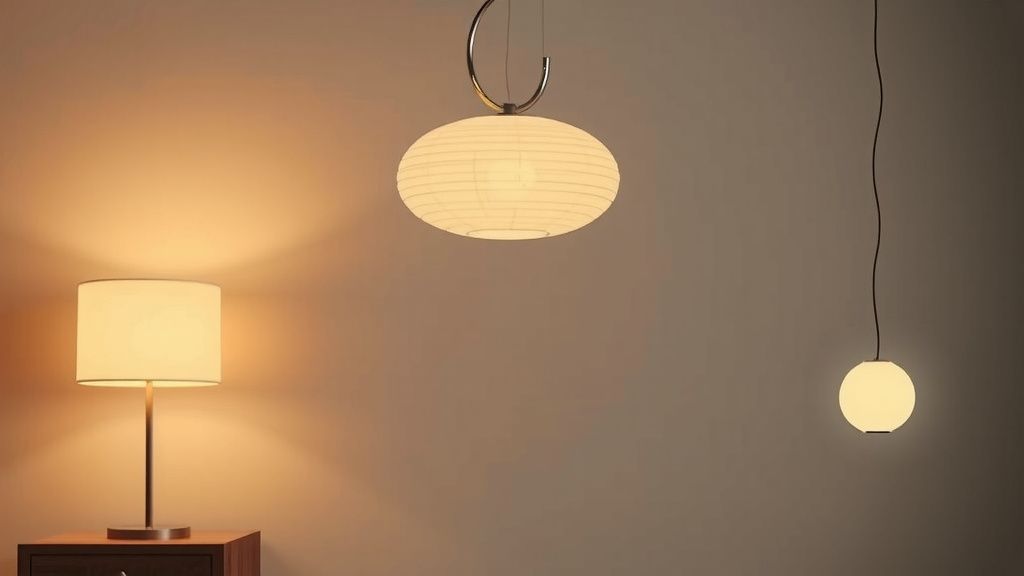
Common Floating Lamp Technologies
While the general principle is magnetic levitation, there are a few common ways this is implemented.
Electromagnetic Suspension (EMS)
This is the most common technology for consumer floating lamps. It uses electromagnets in the base. These electromagnets are energized by a control system. They create a magnetic field that pulls the levitating object upwards. Sensors detect the object’s position. The system then adjusts the magnetic field to keep it stable. Many experts say this method offers good control for smaller objects (National Magnetic Levitation Research Center).
Electrodynamic Suspension (EDS)
This method is more common in high-speed trains. It relies on the motion of the object. As a magnet moves over a conductor, it induces electrical currents. These currents create their own magnetic fields. These fields then repel the original magnet. EDS requires the object to be moving to levitate. It’s less common for static lamps that need to hover in place without initial motion.
Why Choose a Floating Lamp?
Beyond the “wow” factor, floating lamps offer practical and aesthetic benefits. They bring a unique touch to any space. They can also be conversation starters.
Aesthetic Appeal
The primary draw is their futuristic and minimalist look. They seem to float effortlessly. This design can complement modern decor. It adds a touch of the extraordinary to your room. Many users report it becomes a focal point.
Conversation Starter
Let’s be honest, these lamps are cool! When guests see a lamp hovering, they’ll ask about it. It’s an easy way to spark interest and chat. It shows you have an appreciation for unique design and technology. We found that people are always curious about how they work.
Here’s a quick rundown of what makes these lamps float:
- Electromagnets are key to creating adjustable magnetic fields.
- Sensors constantly monitor the position of the floating part.
- Control systems make micro-adjustments for stability.
- Magnetic repulsion is the force that overcomes gravity.
- A balanced design is crucial for successful levitation.
- Power is needed for the magnets and electronics.
Conclusion
You’ve now seen how floating lamps transform basic physics into a captivating display. It’s all about precisely controlled magnetic forces, overcoming gravity through clever design. The interplay of electromagnets and sensors creates that stable, hovering effect you see. These lamps aren’t just lights; they’re small marvels of engineering that add a unique touch to your home. If you’re looking to add a bit of futuristic flair and a conversation piece to your space, consider bringing a floating lamp into your life. Explore the options available and find the perfect one to brighten your room and your day!
Frequently Asked Questions
Do floating lamps use strong magnets?
Yes, floating lamps use magnets strong enough to counteract gravity. They often combine permanent magnets in the shade with adjustable electromagnets in the base. This combination allows for both levitation and stable positioning.
Can a floating lamp fall over if the power goes out?
Most floating lamps are designed to fall gently if the power is cut. The base’s electromagnet will deactivate, and the shade will simply drop onto the base. Some might include a small rubber landing spot to prevent damage.
How much weight can a floating lamp hold?
The weight capacity varies by design, but most consumer floating lamps are made to levitate their own shade and light source. They are not typically designed to hold additional weight beyond their own components.
Are floating lamps difficult to set up?
Setup usually involves plugging in the base and then carefully placing the shade above it. You’ll need to find the “sweet spot” where the magnets engage, which might take a few tries. Once levitating, they are quite stable.
What type of bulb do floating lamps use?
Many floating lamps use energy-efficient LED bulbs. These bulbs produce less heat, which is beneficial for levitation systems. They also last much longer than traditional incandescent bulbs.
![10 Best Curing Lamp [2026]](https://bestdesklamp.com/wp-content/uploads/2026/09/10-best-curing-lamp-2026-featured-768x432.jpg)