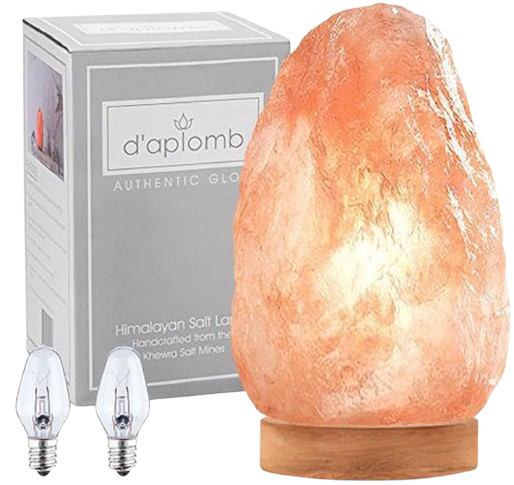
Air Purifier vs Himalayan Salt Lamp: Which Actually Improves the Air?
Let me ask you something. When you walk into your home after a long day, do you ever wonder what you’re actually breathing in? Most of us don’t think about it until we start noticing stuffiness, allergies, or that stale air feeling. That’s when the hunt begins for solutions. And suddenly, you’re faced with two popular options: an air purifier or a Himalayan salt lamp. Both promise cleaner air, but do they actually deliver? Let’s dig into this question together.
What Does “Clean Air” Really Mean?
Before we can compare these two solutions, we need to understand what we’re actually trying to achieve. Clean air isn’t just about fresh-smelling rooms. It’s about removing harmful particles, allergens, bacteria, viruses, and chemical pollutants that can affect your health. Think of it like the difference between water that looks clear and water that’s actually pure. Your eyes can deceive you.
Common Air Pollutants in Your Home
Your living space is likely hosting a variety of unwanted guests. These include dust particles, pet dander, pollen, mold spores, bacteria, viruses, and volatile organic compounds (VOCs) from paints, cleaning products, and furniture. If you live in an urban area or near traffic, you’ve got additional pollutants like nitrogen dioxide and particulate matter entering through your windows and doors.
Each of these pollutants can trigger allergies, worsen respiratory conditions, or cause long-term health issues. So when you’re evaluating air-cleaning solutions, you need to know whether they’re actually tackling these problems or just making your room smell better.
How Air Purifiers Work: The Real Deal
Air purifiers are like the bouncers of your home’s air quality. They actively pull air in, filter out the bad stuff, and push clean air back out. Let me break down how this actually happens.
The Filtration System Explained
Most modern air purifiers use multiple layers of filtration, kind of like how a coffee filter works, but way more sophisticated. Here’s what typically happens inside the device:
- Pre-filter: This catches large particles like dust and pet hair. Think of it as the first line of defense.
- HEPA filter: This is the heavy hitter. HEPA stands for High-Efficiency Particulate Air, and these filters can capture 99.97% of particles that are 0.3 micrometers or larger. That includes most allergens and dust.
- Activated carbon filter: This layer absorbs odors and chemical pollutants like VOCs. If your room smells like paint or cooking, this filter tackles that.
- Optional ionizer or UV light: Some purifiers add extra features to neutralize bacteria and viruses.
Air Changes Per Hour (ACH) Matters
Here’s something most people don’t think about: how often does your air purifier actually clean all the air in your room? This is measured in ACH, or air changes per hour. If your purifier has an ACH of 4, it means all the air in your room passes through the filter four times every hour. The higher the ACH, the faster and more thorough the purification. A good purifier should have an ACH of at least 3 to 5 for noticeable results.
Himalayan Salt Lamps: What’s the Science?
Now let’s talk about the mysterious pink glow in the corner. Himalayan salt lamps have become incredibly popular, and they look absolutely beautiful. But do they actually clean your air, or are they just pretty decorations?
The Hygroscopic Theory
The main claim behind salt lamps is based on hygroscopic properties. This means the salt supposedly attracts moisture from the air, trapping pollutants in the process. The theory goes like this: salt naturally attracts water vapor, so it should pull contaminants along with the moisture and hold them on the lamp’s surface. Sounds reasonable, right?
What Research Actually Shows
Here’s where things get tricky. While salt lamps do technically have hygroscopic properties, there’s a massive gap between theory and practical application. Most scientific studies haven’t found convincing evidence that salt lamps significantly improve air quality in any measurable way. The amount of air they can actually affect is extremely limited—basically just a few inches around the lamp itself.
The lamp would need to get hot enough to create evaporation and release negative ions into the air, which is what proponents claim helps purify the environment. But most salt lamps don’t get warm enough to do this effectively. Even if they did, the effect would be incredibly localized.
The Negative Ion Debate
Some salt lamp enthusiasts claim they release negative ions that improve air quality and your mood. While negative ions do exist in nature (near waterfalls, beaches, and during thunderstorms), the evidence that salt lamps produce enough of them to matter is weak. And even if they did, the connection between negative ions and health improvements is still disputed by the scientific community.
Effectiveness: Air Purifiers vs Salt Lamps
Let’s cut through the marketing and compare these two directly. This is where things get really interesting.
Measuring Real-World Purification
Air purifiers with HEPA filters have been extensively tested and proven to remove particles effectively. You can actually measure the difference with air quality monitors that show PM2.5 and PM10 levels before and after using a purifier. Most people see noticeable improvements within minutes.
Himalayan salt lamps? There’s no reliable data showing they produce measurable improvements in air quality when tested with the same equipment. You might smell something pleasant or feel like the air is fresher, but that’s likely psychological or due to the slight humidity the lamp adds to the room.
Coverage Area and Speed
An air purifier actively circulates and filters air throughout an entire room. A mid-sized purifier can handle rooms up to 400-600 square feet effectively. A Himalayan salt lamp, on the other hand, affects only a very small area immediately around it. If you want noticeable air quality improvements, you’d need multiple salt lamps throughout your home, and even then, the effect would be minimal.
Allergen and Pollutant Removal
Need to remove allergens like pollen, dust mites, and pet dander? Air purifiers with HEPA filters do this job extremely well. They actually capture and trap these particles, preventing them from recirculating. Salt lamps don’t remove allergens effectively. They might collect some moisture, but they don’t eliminate the particles that trigger allergies.
Cost Comparison: Your Investment
Let’s talk money. Both options have different price points and ongoing costs.
Initial Purchase Price
A decent Himalayan salt lamp costs anywhere from $20 to $60. Pretty affordable, right? A quality air purifier, on the other hand, typically ranges from $150 to $500 for a good one. If you want a premium model with advanced features, you might spend $1000 or more. That’s a significant difference upfront.
Ongoing Maintenance and Replacement Costs
Here’s where air purifiers require some attention. You’ll need to replace filters regularly, usually every 6 to 12 months depending on usage and air quality. Replacement filters typically cost $40 to $100 each. So you’re looking at $40 to $100 annually in filter replacements.
Salt lamps don’t require filter replacements, but they do need occasional cleaning and may need to be replaced if they crack or become too worn. However, this happens far less frequently. You might also need to replace the bulb inside the lamp occasionally.
Long-Term Value
If you run an air purifier for several years and replace filters as needed, you’ll spend significantly more than you would on salt lamps. But here’s the key question: are you getting better results? Absolutely. An air purifier that actually removes harmful particles is worth the investment if you care about your health. A salt lamp that provides minimal benefit is inexpensive but ineffective.
Health Benefits: Separating Hype from Reality
This is the heart of the matter. What are you actually gaining health-wise from each option?
What Air Purifiers Can Do for Your Health
If you suffer from allergies, asthma, or other respiratory issues, an air purifier can be genuinely helpful. By removing allergens and irritants from the air, you might experience fewer symptoms, better sleep, and improved overall respiratory health. People with pets often notice their allergies improve significantly when using a HEPA purifier because it removes pet dander effectively.
Air purifiers can also help if you live in an area with poor outdoor air quality or near sources of pollution. They create a healthier indoor environment, which is important since most of us spend significant time indoors.
What Salt Lamps Probably Can’t Do
Honestly? The health benefits of Himalayan salt lamps are mostly anecdotal. Some people report feeling more relaxed, sleeping better, or experiencing fewer allergies, but these results could be placebo effects or due to other factors. The pink light might create a calming ambiance, and that psychological benefit isn’t worthless, but it’s not the same as actually improving air quality.
Mood and Aesthetic Benefits
Don’t underestimate the power of ambiance. A warm, glowing salt lamp can make your space feel more relaxing and cozy. This creates a pleasant environment that might contribute to overall wellness through stress reduction. It’s just not the same as actively purifying your air.
Practical Considerations for Your Home
Let’s think about the practical side of things. Where would each option fit best in your life?
Noise Levels
Air purifiers have fans that run continuously, creating noise. Most modern purifiers are relatively quiet, operating at 20-50 decibels depending on the fan speed. Some people find this annoying, especially at night. Salt lamps are completely silent, which is a nice advantage if you’re sensitive to noise.
Space and Placement
Air purifiers need to be placed strategically for optimal airflow, usually in the center of a room or on a stand. They take up some floor or furniture space. Salt lamps are compact and can sit anywhere—on a nightstand, shelf, or desk. If you have limited space, a salt lamp is less intrusive.
Electricity Usage
Running an air purifier continuously uses electricity, typically consuming 30-200 watts depending on the model and fan speed. This adds to your electric bill over time. A salt lamp uses minimal electricity (usually a small incandescent or LED bulb) and costs almost nothing to operate.
Safety Considerations
Salt lamps can be a hazard if you have pets or small children who might knock them over, as they can break and create salt dust. They’re also heavy and can be dangerous if they fall. Air purifiers are generally safer, though the fan can be noisy and you need to keep air intake and output clear.
Environmental Impact
How do these options affect the planet?
Air Purifier Sustainability
Air purifiers require ongoing filter replacements, which means waste. However, some manufacturers now offer recyclable filters or work with take-back programs. The electricity consumption, especially if your power comes from renewable sources, is generally minimal. When you eventually replace your purifier, you’ll need to dispose of the old unit responsibly.
Salt Lamp Sustainability
Himalayan salt is mined from natural salt deposits, which has environmental impacts on mining sites. However, a single salt lamp lasts many years, and the overall material footprint is smaller than an air purifier. Once it breaks, you’re disposing of a small chunk of salt, which is biodegradable and harmless.
Real-World User Experiences
Let me share what actual users report about both options.
Air Purifier User Reviews
People who suffer from allergies consistently report positive experiences with air purifiers. Parents of children with asthma note fewer attacks. People in dusty or polluted environments appreciate the visible difference in dust accumulation on surfaces. The main complaints are about noise and filter costs, not about ineffectiveness.
Salt Lamp User Feedback
Salt lamp users often love the ambiance and aesthetic appeal. Many report feeling more relaxed in their presence. However, when asked specifically about air quality improvements, most admit they haven’t noticed measurable differences. Some users keep them simply because they enjoy the light and appearance, not for air purification claims.
Can You Use Both Together?
Here’s a practical thought: these aren’t necessarily enemies. Some people use an air purifier for actual air purification and a salt lamp for ambiance and mood enhancement. They serve different purposes. A salt lamp won’t replace an air purifier’s effectiveness, but it can complement your home’s aesthetic while you get the real air cleaning from the purifier.
Making Your Final Decision
So which should you choose? That depends on your actual needs.
Choose an Air Purifier If:
- You have allergies or respiratory issues
- You have pets and deal with dander-related allergies
- You live in an area with poor air quality
- You want measurable improvements in air quality
- You’re willing to invest in your health
- You have family members with asthma or other respiratory conditions
Choose a Himalayan Salt Lamp If:
- You want to improve the ambiance of your space
- You’re on a tight budget
- You don’t have significant air quality concerns
- You prefer silent operation
- You appreciate the aesthetic appeal
- You want a low-maintenance decorative item
The Honest Truth
If your goal is actually improving air quality, an air purifier is the evidence-based choice. If your goal is creating a pleasant, relaxing environment and you don’t mind that air quality improvement is minimal, a salt lamp is a fine decorative choice. But don’t expect a salt lamp to solve air quality problems—it simply can’t do what an air purifier does.
Conclusion
After examining the science, costs, and real-world performance of both options, the answer is clear: air purifiers an
![10 Best Brooder Lamp [2026]](https://bestdesklamp.com/wp-content/uploads/2026/08/10-best-brooder-lamp-2026-featured-768x432.jpg)