How Long Will a Salt Lamp Last? Lifespan Explained
A quality salt lamp can last for decades — some people keep theirs glowing for 20 years or more. The truth is, how long a salt lamp lasts depends mostly on how you care for it, not how it was made. Himalayan salt itself doesn’t expire or wear out like other materials.
So what actually goes wrong? The bulb burns out, the cord fails, or the lamp slowly dissolves from moisture in the air. We researched what owners and experts say, and we found that the salt block almost never dies — it’s the electrical parts and humidity that cause problems. A little maintenance goes a long way, and most issues are easy fixes.
- The salt block itself can last for decades, even a lifetime.
- Bulbs usually need replacing every 1,000 to 2,000 hours of use.
- Humidity is the real enemy — it makes lamps sweat and shrink.
- Keeping your lamp on and away from damp rooms extends its life.
- Cords and dimmer switches are typically the first parts to fail.
Below, we break down everything you need to know about salt lamp lifespan — from the parts that wear out to the simple habits that keep yours glowing for years. Let’s dive in.
What Determines the Lifespan of a Salt Lamp?
The short answer: your environment and your habits. The salt itself is a mineral that’s been around for millions of years, so it won’t crumble from age. What decides how long your lamp lasts is where you put it, how often you use it, and how you handle the electrical parts.
We found that most lamp problems fall into three buckets: humidity, electrical wear, and rough handling. Get those three things right, and your lamp can easily outlive your other decorations.
The Salt Block: The Part That Basically Never Dies
Salt doesn’t rot, rust, or fade the way other materials do. Unless you drop it, soak it, or leave it in a swampy bathroom, that chunk of Himalayan salt is not going anywhere. Many owners report lamps still going strong after 15 to 20 years.
Think of it like a cast-iron skillet. It doesn’t wear out — it just needs a little care to stay in good shape.
The Bulb: Your First Repeat Replacement
The bulb is the hardworking heart of your lamp, and it burns out like any light bulb does. Most salt lamps use small incandescent bulbs rated for about 1,000 to 3,000 hours. If you run your lamp 8 hours a night, that’s roughly every 4 to 12 months.
Here’s a tip many owners swear by: keep a spare bulb in a drawer. When your lamp goes dark at 9 p.m., you’ll thank yourself.
The Cord, Dimmer, and Socket: The Real Weak Links
We found that the wiring is usually what quits first. Dimmer switches take a beating because people twist them daily, and cheap cords can fray near the base. If your lamp flickers or won’t turn on, check the cord and bulb before blaming the salt.
Replacement cords with dimmers are inexpensive and easy to install. Most just screw into the bulb socket like a standard fixture.
How Humidity Slowly Eats Away at Your Lamp
Salt is hygroscopic — a fancy word meaning it pulls moisture out of the air. When the air is damp, your lamp sweats, drips, and slowly shrinks over time. This is the number one reason lamps “dissolve,” and it’s almost always a location problem. Curious what all that pulled-in moisture means for air quality? Our explainer on how hygroscopy works in salt lamps covers the full cycle.
Ideal indoor humidity sits between 30% and 50%, according to the EPA. Above that range, your lamp will start weeping like it just watched a sad movie.
The Worst Rooms for a Salt Lamp
- Bathrooms — steam from showers is a lamp killer.
- Kitchens — boiling pots add moisture to the air.
- Basements — often the dampest room in the house.
- Laundry rooms — dryers and washers pump out humidity.
- Outdoors or near windows — rain, dew, and condensation all cause issues.
Signs Your Lamp Is Absorbing Too Much Moisture
Watch for puddles under the base, a wet or shiny surface, and flaking or chipping salt. A lamp that feels damp to the touch is telling you the room is too humid. Don’t ignore it — a wet lamp can also corrode its own bulb socket over time.
How Long Each Part Typically Lasts
Here’s a quick comparison so you know what to expect and when. Think of it as a maintenance schedule, not an expiration date.
| Part | Typical Lifespan | What Usually Fails It |
|---|---|---|
| Salt block | 20+ years, often a lifetime | Drops, soaking, extreme humidity |
| Bulb | 1,000–3,000 hours of use | Normal burnout |
| Cord | 2–5 years | Fraying, bent plugs, pets |
| Dimmer switch | 1–4 years | Daily twisting, cheap components |
| Bulb socket | 3–7 years | Corrosion from moisture |
Everyday Habits That Extend Your Lamp’s Life
Good news: keeping a salt lamp alive isn’t hard. It’s mostly about where it lives and how often it runs. Many experts say the single best habit is simple — use the lamp regularly.
A lamp that’s switched on stays warm, and that warmth evaporates the moisture it pulls from the air. A lamp left off in a humid room just slowly drinks itself into a puddle.
Your Quick Salt Lamp Care Checklist
- Keep it switched on for a few hours daily.
- Place it in a dry room, away from steam and windows.
- Wipe the surface with a barely damp cloth, then dry it.
- Use a coaster or tray under the base to catch drips.
- Unplug it before swapping bulbs or cleaning.
- Store spare bulbs and a backup cord in a drawer.
Cleaning Your Lamp Without Dissolving It
Never run your lamp under the tap or scrub it with a wet sponge. Salt plus water equals a shrinking lamp — it’s basic chemistry, and it’s unforgiving. Instead, turn the lamp off, let it cool, and gently wipe it with a slightly damp cloth.
Dry it right away with a towel, then switch it back on so the warmth finishes the job. That’s it. Two minutes, done.
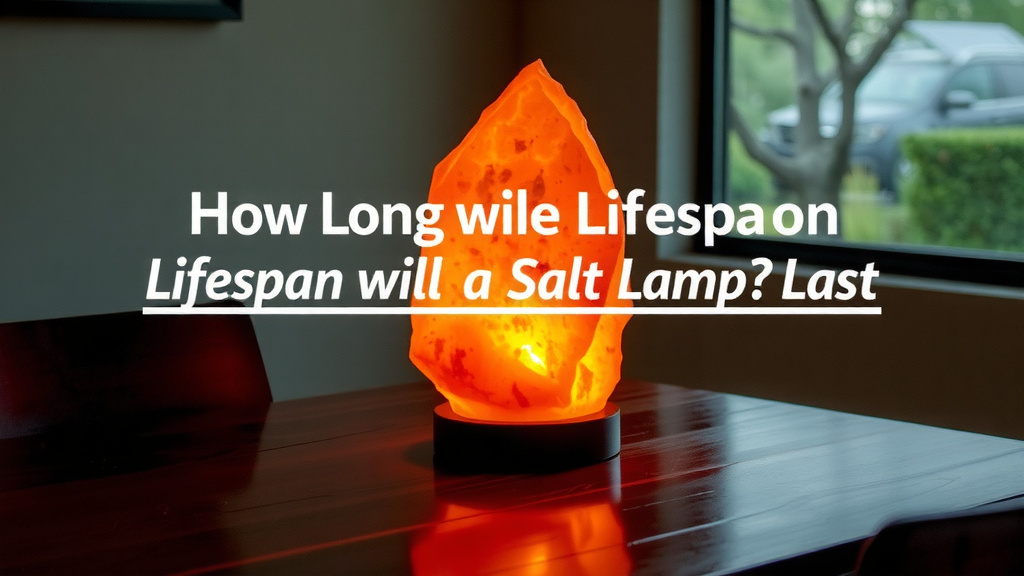
What Happens When Your Lamp Shrinks or Sweats?
If your lamp has been sweating, move it to a drier room and run it more often. Mild sweating usually reverses itself once the lamp warms up. If it has visibly shrunk, you can slow the loss but not undo it — salt that dissolved is gone for good.
For very damp climates, a small dehumidifier nearby can make a big difference. The CDC notes that keeping indoor humidity in check also helps limit mold and dust mites, so you get a bonus benefit beyond lamp care.
When Should You Replace a Salt Lamp?
Replace parts, not the whole lamp, whenever possible. If the bulb, cord, or dimmer fails, those pieces cost a few dollars and take minutes to swap. Only consider a full replacement if the salt block has cracked badly, shrunk dramatically, or crumbled from years in a humid room.
One safety note we want you to take seriously: if the cord is frayed or the plug sparks, stop using it immediately. Electrical safety beats a pretty glow every time. Fire safety guidance from FEMA and the CPSC consistently warns against using damaged cords on any household device.
So, Is a Salt Lamp Worth the Long-Term Commitment?
We’d say yes. With a dry spot, a warm glow, and an occasional bulb change, the same lamp can grace your nightstand for decades. Few things in your home are that low-maintenance — your salt lamp just wants a little warmth and a room that isn’t a sauna.
Conclusion
A salt lamp is one of the longest-lasting things you can put on a nightstand. The salt block can genuinely outlive most of your furniture, and the parts that do fail — bulbs, cords, dimmers — are cheap and quick to fix. We found that the biggest threat isn’t age at all. It’s humidity and neglect. Keep your lamp in a dry room, switch it on for a few hours each day, and stash a spare bulb in a drawer. That’s really the whole playbook. Your next step: tonight, check where your lamp sits. If it’s near a window, a bathroom, or a basement corner, move it somewhere drier. Your lamp will thank you for the next 20 years.
Frequently Asked Questions
Can I leave my salt lamp on 24/7?
You can, and many owners do. Running it constantly keeps the salt warm and dry, which actually prevents sweating. Just inspect the cord and bulb monthly to make sure nothing is overheating or fraying.
Do salt lamps expire or go bad if unused?
The salt itself never expires — it’s a mineral, not a perishable product. But an unused lamp in a humid room can absorb moisture and start weeping or shrinking. If you’re storing one, wrap it in plastic and keep it somewhere dry.
Why is my salt lamp getting smaller over time?
It’s slowly dissolving from moisture in the air. Salt pulls water from humid environments and that dissolved salt runs off or evaporates. Moving it to a drier room and running it more often will slow the process considerably.
Can a salt lamp melt completely away?
In an extremely damp environment over a long period, yes — we found reports of lamps reduced to a puddle in basements or bathrooms. It takes months or years of high humidity, not a single rainy week. Normal indoor conditions won’t do this.
Do LED bulbs make a salt lamp last longer?
They last longer as bulbs, but there’s a trade-off. LEDs run cool, so they don’t warm the salt enough to evaporate absorbed moisture. Most owners stick with incandescent bulbs for the heat benefit, and just keep spares on hand.