LED Lamp Lifespan: How Long Do They Truly Last
Thinking about switching to LED lamps and wondering about their lifespan? You’re in the right place! LED lamps can last a remarkably long time, often between 15,000 to 50,000 hours. This means they can keep shining brightly for many years, potentially outlasting traditional incandescent bulbs by decades.
So, how long do LED lamps truly last? It depends on a few factors, but generally, you can expect significantly more light for your money. Compared to other bulb types, LEDs are a long-term investment. We found that this extended lifespan is a major reason why so many people are making the switch to LED technology for their homes and businesses.
- LED lamps can last 15,000 to 50,000 hours.
- That’s many years of reliable light.
- They often outshine traditional bulbs significantly.
- It’s a smart, long-term choice for lighting.
Ready to get a clearer picture of what influences LED lamp longevity? Below, we’ll break down the factors that affect how long your LEDs will stay lit and what you can do to maximize their lifespan.
You’re curious about LED lamp lifespan, and that’s smart! Knowing how long your lights will last helps you budget and plan. Many people wonder if LEDs are truly worth the upfront cost. Let’s get to the bottom of it.
Understanding LED Lamp Longevity
LED lamps typically last between 15,000 to 50,000 hours. This is a huge difference compared to older bulb types. For example, an incandescent bulb might only last about 1,000 hours. That means an LED bulb could shine for 15 to 50 times longer!
Think of it like this: if you used an LED bulb for 3 hours every day, a 25,000-hour bulb would last over 22 years. That’s longer than many people stay in the same home. This extended lifespan makes LEDs a very economical choice over time.
Factors Influencing How Long LEDs Last
While the stated hour rating is a great starting point, several things can affect your LED lamp’s actual performance. It’s not just about the bulb itself.
The Quality of the LED Bulb Matters
Not all LEDs are created equal. Cheaper, unbranded bulbs might not use the best components. We found that higher-quality LEDs use better materials and manufacturing processes. This leads to a more consistent performance and a longer, more reliable life.
Brand Reputation and Certifications
Reputable brands often invest more in research and development. Look for certifications like Energy Star. Energy Star-rated products meet strict energy efficiency and lifespan requirements set by the U.S. Environmental Protection Agency. This is a good indicator of quality (Energy Star).
Internal Components
The driver, the electronics that control the power to the LED, is key. If the driver is poorly made, it can fail prematurely. Good drivers manage heat and power effectively, extending the bulb’s life. We found that bulbs with robust driver designs tend to last longer.
Operating Temperature and Heat Management
LEDs produce light efficiently, but they still generate heat. How this heat is managed is critical to their lifespan. Too much heat can degrade the LED components over time.
Bulb Design and Heat Sinks
Good LED bulbs have built-in heat sinks. These are like little radiators that help dissipate heat away from the LED chips. Bulbs that feel very hot to the touch might not have adequate heat management. We found that proper heat dissipation is essential for longevity.
Enclosed Fixtures vs. Open Fixtures
Putting an LED in an enclosed fixture can trap heat. This is especially true for older fixtures not designed for LEDs. The trapped heat can reduce the bulb’s lifespan. Many manufacturers suggest using LEDs rated for enclosed fixtures if that’s where you plan to install them.
Usage Patterns and Dimming
How often you turn lights on and off, and whether you use a dimmer, can also play a role. Frequent on/off cycles can stress some electronic components more than constant use.
On/Off Cycles
Unlike old incandescent bulbs, LEDs don’t typically “burn out” in the traditional sense from frequent switching. However, the driver electronics can experience some wear and tear. For most home use, this isn’t a major concern. We found that the impact of on/off cycles is minimal for most quality LEDs.
Using LED-Compatible Dimmers
If you plan to dim your lights, you need to use LED-compatible dimmer switches. Using an old dimmer switch with an LED bulb can cause flickering, buzzing, and premature failure. Always check that your dimmer is designed for LED technology.
Environmental Conditions
The environment where your LED lamp operates makes a difference. Extreme conditions can shorten its life.
Humidity and Moisture
High humidity or direct exposure to water can damage the internal electronics of an LED bulb. This is why you need specific “damp-rated” or “wet-rated” LEDs for bathrooms, outdoor areas, or garages.
Voltage Fluctuations
Sudden changes in voltage from your power supply can stress the LED driver. While most home electrical systems are stable, widespread power issues can affect bulb life. We found that stable power supply generally leads to longer bulb life.
Comparing LED Lifespans to Other Bulbs
To really appreciate how long LEDs last, let’s see how they stack up:
| Bulb Type | Average Lifespan (Hours) | Estimated Years (3 hrs/day) |
|---|---|---|
| Incandescent | 750 – 2,000 | 0.6 – 1.8 |
| Halogen | 1,000 – 4,000 | 0.9 – 3.7 |
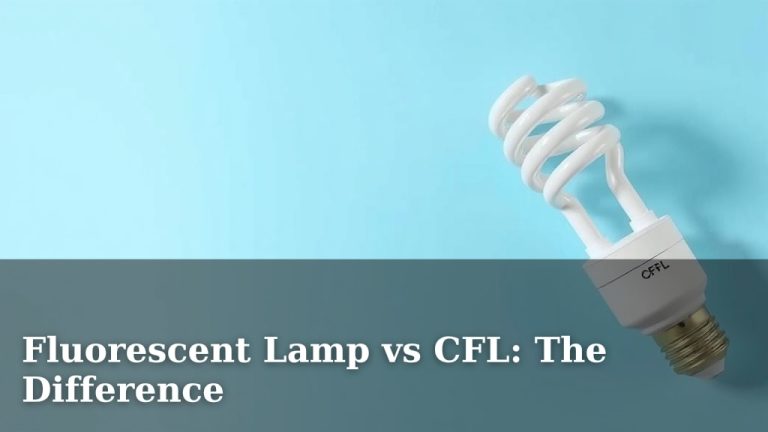
| CFL (Compact Fluorescent) | 8,000 – 15,000 | 7.3 – 13.7 |
| LED (Light Emitting Diode) | 15,000 – 50,000+ | 13.7 – 45.7+ |
As you can see, LEDs offer a significantly longer lifespan than any other common bulb type. This longevity translates into fewer bulb changes and less waste over time.
Tips for Maximizing Your LED Lamp’s Lifespan
Want to get the absolute most out of your LED bulbs? Here are a few practical tips:
- Choose reputable brands known for quality.
- Ensure proper ventilation, especially in enclosed fixtures.
- Use LED-compatible dimmers if you dim your lights.
- Select bulbs rated for the specific environment (e.g., damp-rated for bathrooms).
- Avoid exposing LEDs to extreme temperatures or moisture.
- Consider the heat sink design when purchasing.
Conclusion
You now have a clear picture of LED lamp lifespans. You know they can last 15,000 to 50,000 hours, far outperforming older bulbs. Remember, quality, heat management, and proper usage are key to reaching those high numbers. Investing in reputable brands and ensuring good ventilation will maximize your bulb’s life. Ready to enjoy long-lasting, efficient lighting? Start by choosing quality LEDs for your next lighting upgrade and enjoy years of bright, reliable light.
Frequently Asked Questions
Will my LED bulbs ever “burn out”?
LEDs typically don’t “burn out” like incandescent bulbs. Instead, their light output gradually decreases over time. You’ll notice they become dimmer rather than suddenly failing.
Can I use any dimmer switch with LED bulbs?
No, you need to use dimmer switches specifically designed for LED technology. Using an older dimmer can cause flickering, buzzing, or even damage the LED bulb and dimmer.
Do enclosed light fixtures reduce LED lifespan?
Yes, enclosed fixtures can trap heat, which is a primary factor in reducing LED lifespan. If you plan to use LEDs in an enclosed fixture, look for bulbs specifically rated for enclosed use.
How does the environment affect how long LEDs last?
Extreme temperatures, high humidity, and moisture can degrade LED components. For areas like bathrooms or outdoors, always select bulbs rated for those specific environmental conditions (damp or wet-rated).
Is it worth the higher upfront cost for LED bulbs?
Absolutely. While LEDs have a higher initial price, their incredibly long lifespan means fewer replacements and lower energy bills. We found this makes them a much more economical choice over time compared to other bulb types.