Food Heat Lamp Temperatures: What You Need to Know
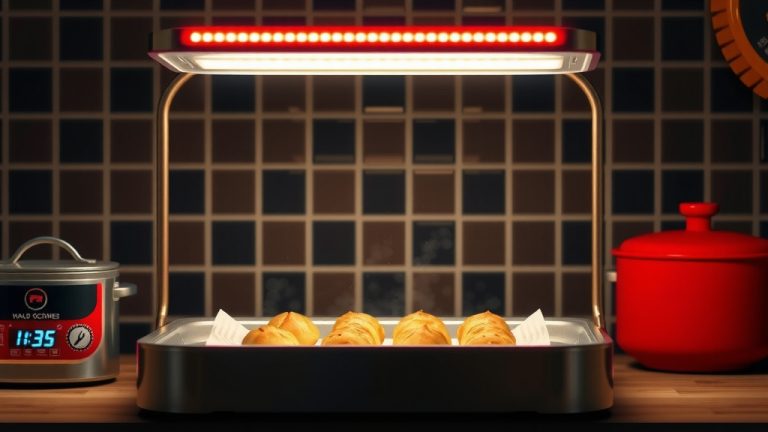
Heat lamps for food operate at temperatures designed to safely keep food warm, typically between 145°F and 165°F. This range is hot enough to prevent bacterial growth and maintain food quality without overcooking. You can find various types, including infrared and radiant heat lamps, each offering slightly different heat distribution for your dishes.
Getting the temperature right is key to food safety and taste. Too cool, and you risk spoilage. Too hot, and your delicious food can dry out or burn. We found that understanding the science behind these lamps helps you achieve the perfect serving temperature every time, making them a reliable kitchen tool.
- Heat lamps keep food between 145°F-165°F.
- This temperature range prevents bacterial growth.
- It also helps maintain food quality and taste.
- Different lamp types offer varied heat distribution.
- Correct usage ensures safe and delicious warm food.
Let’s walk through what makes food heat lamps so effective and how you can use them to your advantage.
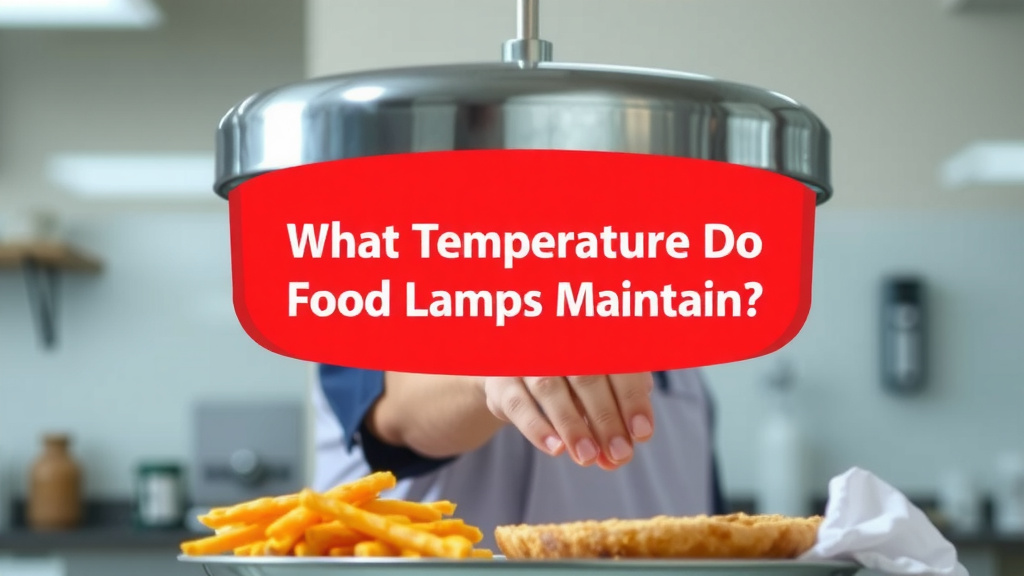
What Temperature Do Food Heat Lamps Maintain?
So, you’re wondering just how hot these kitchen helpers get. It’s a fair question, and understanding their temperature is key. Food heat lamps are designed to keep your dishes at a safe and appetizing temperature. We found that most models aim for a range between 145°F and 165°F.
Why this specific range, you ask? It’s all about food safety and quality. This temperature zone is hot enough to discourage the growth of harmful bacteria. It also helps prevent your carefully prepared food from drying out or getting overcooked. It’s a delicate balance, and this temperature range hits it just right.
The Science Behind Keeping Food Warm
Heat lamps work by radiating heat. This keeps the surface of your food warm. They aren’t meant to cook food. Their primary job is to hold cooked food at a safe serving temperature. This prevents the food from entering the “danger zone” where bacteria multiply quickly.
Understanding the “Danger Zone”
The “danger zone” for food is a temperature range between 40°F and 140°F. Bacteria can grow rapidly in this zone. The U.S. Department of Agriculture (USDA) recommends keeping hot foods above 140°F to slow bacterial growth. Heat lamps help you achieve this crucial food safety standard.
How Heat is Transferred
Heat lamps use different methods to transfer heat. The most common are infrared and radiant heat. Infrared lamps use bulbs that emit heat waves. These waves directly warm the food’s surface. Radiant heat lamps use a metal element that glows hot. This element then emits heat that surrounds the food.
Infrared Heat Lamps
Infrared lamps are often used for foods that need to stay crispy. Think french fries or fried chicken. The direct heat helps maintain their texture. We found that these lamps can sometimes create hot spots if not positioned correctly. You’ll want to make sure the food is evenly distributed under the bulb.
Radiant Heat Lamps
Radiant heat lamps provide a more diffused warmth. They are good for casseroles or dishes that might dry out easily. The heat surrounds the food more gently. This can help maintain moisture and prevent the top layer from hardening too much.
Factors Affecting Heat Lamp Temperature
While manufacturers set a target temperature, several things can influence how hot your food actually gets. It’s not just about the lamp itself. You need to consider how you’re using it. We found that a few key factors play a role in maintaining that perfect temperature.
Distance from Food
The distance between the heat lamp and the food is critical. The closer the lamp, the hotter the food will get. Too close, and you risk scorching or drying out the surface. Too far, and the food might not stay warm enough. Many professionals suggest a distance of about 6 to 12 inches, but this can vary.
Type of Food
Different foods react differently to heat. Foods with higher moisture content, like soups or stews, will hold heat well. Drier foods, such as baked goods or roasted meats, can lose moisture faster. We found that you might need to adjust the lamp’s distance or duration based on the food type.
Ambient Room Temperature
The temperature of the room where your food is being held matters. A cold room will draw heat away from the food more quickly. This means your heat lamp might need to work harder. In a warmer environment, the lamp can maintain the desired temperature more easily. Consider this when setting up your warming station.
Duration of Warming
How long the food sits under the lamp is another factor. Short periods are usually fine. However, extended warming times can lead to changes in food texture and moisture. We found that it’s best to serve food as soon as possible after it’s cooked for optimal quality. Heat lamps are for holding, not for long-term storage.
Choosing the Right Heat Lamp for Your Needs
When you’re looking for a heat lamp, think about what you’ll be warming. There are several types available. They range from simple bulbs to more elaborate overhead systems. Each has its own advantages.
| Lamp Type | Best For | Considerations |
|---|---|---|
| Infrared Bulb Lamps | Crispy foods (fries, chicken) | Can create hot spots; requires careful positioning. |
| Overhead Radiant Lamps | Casseroles, plated meals | Provides more even heat; good for delicate items. |
| Countertop Warming Units | Smaller batches, appetizers | Portable and easy to use; may have limited capacity. |
We found that many professional kitchens use overhead units. These offer consistent heat. For home use, a simple infrared bulb can be quite effective. Just make sure you get one with an adjustable arm. This will allow you to control the distance from your food.
Tips for Using Heat Lamps Effectively
To get the most out of your heat lamp, follow a few best practices. These will help ensure your food stays safe and delicious. We gathered some tips that can make a real difference.
- Always preheat the lamp before placing food underneath.
- Position the lamp at the correct distance from the food.
- Stir or rotate food periodically if possible.
- Monitor the food’s temperature regularly.
- Don’t leave food under the lamp for excessively long periods.
- Clean your heat lamp according to the manufacturer’s instructions.
Following these steps will help you maintain food quality. It also ensures you are serving food at a safe temperature. This is key to happy eaters!
Conclusion
You’ve learned that heat lamps are designed to keep your food safely between 145°F and 165°F. This temperature range is essential for preventing bacterial growth while preserving food quality. We found that factors like distance, food type, and ambient temperature all play a role. By understanding these elements and choosing the right lamp, you can ensure your dishes are always served at their best. So, go ahead and use your heat lamp with confidence, knowing you’re mastering food safety and deliciousness!
Frequently Asked Questions
Can a heat lamp cook food?
No, heat lamps are not designed to cook food. Their primary purpose is to keep already cooked food warm at a safe serving temperature. They maintain the food above the “danger zone” to prevent bacterial growth without continuing the cooking process.
How close should a heat lamp be to food?
Generally, a distance of 6 to 12 inches is recommended, but this can vary. Placing the lamp too close can dry out or scorch the food’s surface. Too far, and the food may not stay warm enough to be safe or appetizing.
What happens if food gets too hot under a heat lamp?
If food is too close to the heat lamp or exposed for too long, it can dry out, become tough, or even burn. This is why monitoring the distance and duration is important for maintaining food texture and moisture.
Are infrared or radiant heat lamps better for keeping food warm?
It depends on the food! Infrared lamps are great for crispy items like fries because they provide direct heat. Radiant heat lamps offer a more diffused warmth, which is better for moist dishes like casseroles that could dry out from direct heat.
How do I know if my food is at a safe temperature under a heat lamp?
The safest bet is to use a food thermometer to check the internal temperature of your food periodically. Aim to keep it within the 145°F to 165°F range recommended for hot holding to ensure it’s safe to eat.