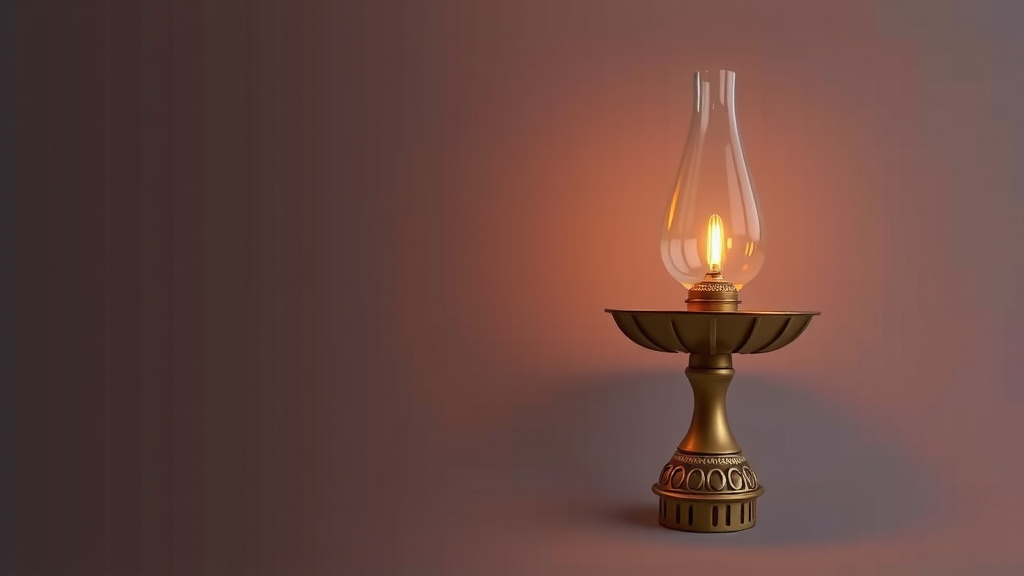
How Does an Aladdin Lamp Work Explained
So, you’re wondering how that magical Aladdin lamp actually works, right? Well, it’s not quite as simple as rubbing it and expecting a genie. The story is mostly fiction, but the idea of a lamp providing light has a long history. Traditional oil lamps used a simple scientific principle: a wick drawing fuel through capillary action.
The classic image of Aladdin’s lamp comes from a tale, not real-world mechanics. Real historical lamps relied on combustible liquids like oil or fat. A wick, usually made of cloth, would soak up this fuel. When you lit the wick, it burned, producing a steady flame and light. It’s a pretty clever, low-tech solution for illumination!
TL;DR:
- Aladdin’s lamp is a fictional concept.
- Real oil lamps work using a wick and fuel.
- The wick draws fuel up via capillary action.
- Lighting the wick creates a flame for light.
- It’s a basic form of illumination technology.
Ready to learn more about the science behind those ancient lamps and why the Aladdin story captured our imagination? Let’s dive into the fascinating history and physics!
“`htmlUnderstanding How Ancient Lamps Provided Light
So, you’re curious about the magic behind those old lamps, and how they lit up the world before electricity? It’s actually a pretty straightforward scientific principle. These lamps were more than just decorative items; they were essential tools for daily life, allowing people to work, read, and socialize after sunset.
The Simple Science of Oil Lamps
The core of any traditional oil lamp is its ability to sustain a flame. This is achieved through a clever combination of fuel and a wick. Think of it like a tiny, controlled fire that you can carry around.
The Role of the Wick
The wick is the hero of the story! It’s usually made from absorbent material, like braided cotton. Its job is to act as a conduit, drawing the lamp’s fuel up towards the flame. This process relies on a phenomenon called capillary action.
Capillary Action Explained
Capillary action is the ability of a liquid to flow in narrow spaces without the assistance of, or even in opposition to, external forces like gravity. Imagine water creeping up a thin straw. The wick does the same thing with lamp oil. The forces between the liquid and the surface of the wick pull the liquid upward.
Fueling the Flame
The lamp itself holds the fuel. Historically, this was often vegetable oil, animal fat, or whale oil. Modern versions might use kerosene or paraffin oil. As the wick draws the fuel up, the heat from the flame vaporizes a small amount of the liquid fuel right at the top of the wick. This vapor is what actually burns, creating the light.
Components of a Basic Oil Lamp
Let’s break down what you’d find in a typical, non-magical oil lamp:
- Reservoir: This is the container that holds the liquid fuel. It needs to be sturdy and able to prevent spills.
- Wick: As we discussed, this is the absorbent material that draws fuel up. It usually protrudes from the top of the reservoir.
- Burner/Nozzle: This part often holds the wick in place and controls the airflow to the flame. It helps ensure a steady burn and can sometimes be adjusted to make the flame brighter or dimmer.
- Flame: The visible light produced by the burning fuel vapor.
Why the Aladdin Lamp Story Captures Our Imagination
While real oil lamps worked on simple physics, the legend of Aladdin’s lamp adds a whole layer of fantasy. The idea of a genie emerging from an ordinary object is enchanting. It taps into our desires for wishes and quick solutions.
The Power of Storytelling
The tale of Aladdin is part of the “One Thousand and One Nights,” a collection of folk tales. These stories often feature elements of magic, adventure, and sudden fortune. The lamp in the story is a magical artifact, unlike the functional oil lamps of history. It’s a powerful symbol of hidden potential and the unexpected.
Real-World vs. Fairy Tale Lamps
It’s important to remember the distinction. The lamps you might find in a museum or at an antique store work based on the scientific principles we’ve discussed. They provided a vital source of light for centuries. The Aladdin lamp, however, is a product of imagination, granting wishes and summoning supernatural beings. It represents a much more **wish-fulfillment fantasy**.
We found that the allure of the Aladdin lamp comes from its association with the genie. In reality, an oil lamp’s “magic” was in its ability to conquer darkness. It was a technological marvel of its time, allowing human activity to extend beyond daylight hours.
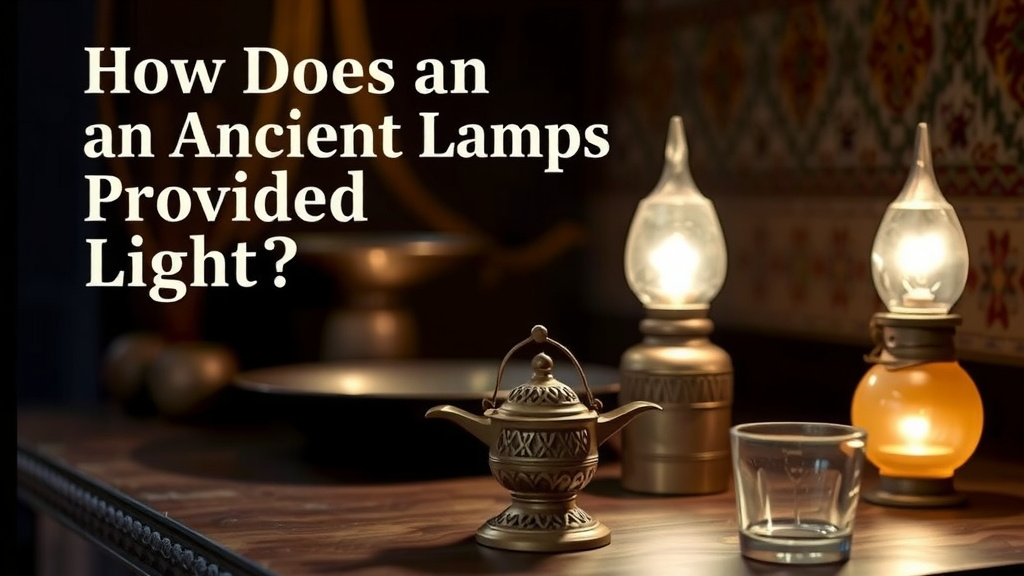
Types of Historical Lighting Devices
Lamps evolved over time, becoming more efficient and using different fuels. Here’s a quick look at some common types:
| Lamp Type | Fuel Used | Common Period |
|---|---|---|
| Fat Lamps | Animal fat, vegetable oils | Prehistoric to Middle Ages |
| Rushlight Holders | Tallow or oil-soaked rushes | Medieval period |
| Open-dish Lamps | Olive oil, nut oils | Ancient Greece and Rome |
| Screw-neck Lamps | Various oils | Roman period onwards |
| Kerosene Lamps | Kerosene (paraffin oil) | Mid-19th century onwards |
The Transition to Modern Lighting
While oil lamps served us well for millennia, they had limitations. They could produce smoke and soot, and the light wasn’t always very bright. The invention of the gas lamp and later, the electric light bulb, gradually replaced them. These newer technologies offered brighter, cleaner, and more convenient light sources.
Key Takeaways for Your Understanding
To sum up how these lamps really worked, keep these points in mind:
- Real lamps needed a fuel source, like oil or fat.
- A wick, typically cotton, acted like a straw to pull fuel up.
- Capillary action is the scientific force that makes this happen.
- Lighting the wick vaporized the fuel, creating a flame for light.
- The Aladdin story is fictional; his lamp was magical, not mechanical.
- These lamps were a vital technology for centuries.
So, the next time you see an old oil lamp, you’ll know it’s not about genies, but about clever engineering and a deep understanding of basic physics. It’s pretty neat how simple science could achieve such an important task!
“`Conclusion
So, while the Aladdin lamp story is pure fantasy, the real-world lamps it inspired work on simple, clever science. You’ve learned how capillary action allows a wick to draw fuel, creating a steady flame for light. These historical lamps were essential tools, not magic. They represent a significant step in human history, conquering darkness before electricity. Keep this practical knowledge in mind, and perhaps next time you see an antique oil lamp, you’ll appreciate the physics behind its glow!
Frequently Asked Questions
Did Aladdin’s lamp actually exist in history?
No, Aladdin’s lamp is a fictional object from the story “One Thousand and One Nights.” While real oil lamps existed and worked using scientific principles, the lamp described in the story was magical, capable of summoning a genie.
What is capillary action, and how does it relate to oil lamps?
Capillary action is the ability of a liquid to flow upwards in narrow spaces, like through the threads of a wick. In oil lamps, this science allows the fuel to be drawn up to the flame, where it can then burn and produce light.
What kind of fuel did old oil lamps use?
Historically, oil lamps used various fuels such as animal fats, vegetable oils (like olive oil), and later, kerosene or paraffin oil. The type of fuel often depended on what was readily available in a specific region or time period.
How did people control the brightness of an oil lamp?
The brightness of an oil lamp could often be adjusted by changing the size of the wick that protruded from the burner. A longer wick generally produced a larger, brighter flame, while a shorter wick resulted in a dimmer light. Airflow also played a role.
Why are oil lamps no longer common for everyday lighting?
Oil lamps have been largely replaced by more efficient, safer, and convenient lighting technologies like electric bulbs. While they served their purpose for centuries, they could be smoky, produce soot, and required regular refueling and wick trimming.
![10 Best Clamp Desk Lamp [2026]](https://bestdesklamp.com/wp-content/uploads/2026/08/10-best-clamp-desk-lamp-2026-featured-768x432.jpg)
![10 Best Brand Uv Nail Lamp [2026]](https://bestdesklamp.com/wp-content/uploads/2026/08/10-best-brand-uv-nail-lamp-2026-featured-768x432.jpg)
![10 Best Designer Floor Lamps [2026]](https://bestdesklamp.com/wp-content/uploads/2026/09/10-best-designer-floor-lamps-2026-featured-768x432.jpg)