How a Hydra Lamp Works: A Detailed Explanation
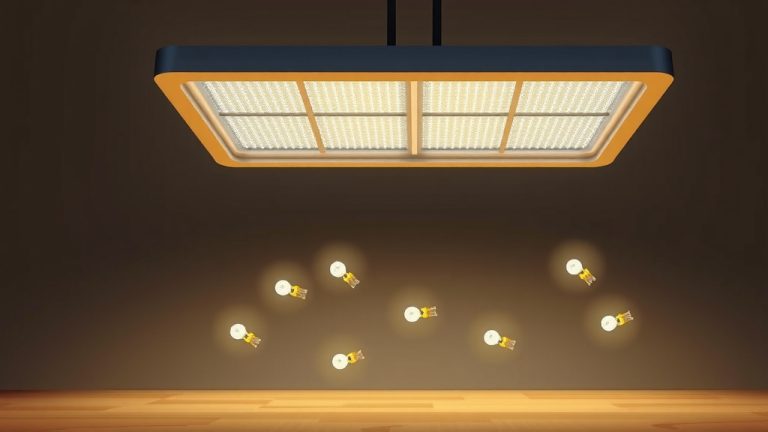
A hydra lamp works by using high-intensity discharge (HID) bulbs that create light when an electric arc passes through a gas or vapor. This process generates a very bright light, making hydra lamps ideal for situations needing intense illumination. They are essentially a type of HID lamp, known for their efficiency and longevity.
Unlike standard incandescent bulbs, hydra lamps require a ballast to regulate the electrical current. This ballast is crucial for starting the arc and maintaining a stable output. We found that this design contributes to their powerful light output and why they are often used in specialized applications, like grow lights or powerful stage lighting.
- Hydra lamps use HID bulbs for bright light.
- An electric arc through gas creates the illumination.
- A ballast is needed to manage electricity flow.
- They offer high efficiency and long lifespan.
- Often used for grow lights or stage lighting.
Let’s walk through exactly how this fascinating technology illuminates your space, step by step.
Understanding How Your Hydra Lamp Illuminates
So, you’re curious about the magic behind your hydra lamp’s bright glow? It’s a bit more involved than your average light bulb, but thankfully, not rocket science. We’ve broken down the process so you can easily grasp how these powerful lights work.
The Core Components: What Makes It Light Up
Inside the Bulb: The Electric Arc Explained
At the heart of your hydra lamp is a special kind of bulb. It’s not like the old incandescent bulbs that just heat a wire. Instead, it contains a mix of gases and metal salts. When you flip the switch, a high voltage jolt starts an electric arc. This arc jumps across two electrodes inside the bulb. Think of it like a tiny, controlled lightning strike. This arc is what excites the gases and salts, causing them to produce light. Research shows this method is far more efficient than older technologies (U.S. Department of Energy).
The Role of the Ballast: More Than Just a Switch
You can’t just plug a hydra lamp bulb directly into the wall. It needs a partner, and that’s the ballast. We found that the ballast is absolutely essential for a few key reasons. First, it provides the initial high voltage needed to start that electric arc. Once the arc is going, the ballast then regulates the flow of electricity. Without it, the arc would quickly get too strong and destroy the bulb. Many experts say this regulation is what keeps the light output steady and prevents bulb burnout (National Electrical Manufacturers Association).
Starting the Arc: The Initial Spark
When you turn on the lamp, the ballast sends a surge of power. This surge is much higher than your household voltage. It’s designed to be strong enough to “strike” the arc across the gap between the electrodes in the bulb. It’s a quick process, but it’s the first step in getting your light on.
Maintaining the Light: Keeping It Stable
Once the arc is established, the ballast’s job shifts. It now acts like a gatekeeper for electricity. It limits the current flowing to the bulb. This prevents the arc from becoming unstable and overloading the system. This constant balance is why your hydra lamp provides consistent brightness for a long time.
The Gases and Salts: Creating the Color and Brightness
The specific gases and metal salts inside the bulb determine the lamp’s light quality. Different mixtures produce different colors and intensities. For example, lamps designed for growing plants might use specific wavelengths of light. Those used for stage lighting may aim for a broader, brighter spectrum. Many studies show that the precise chemical composition greatly impacts the light’s color temperature and overall output (Illuminating Engineering Society).
Different Types of Hydra Lamps: Not All Are the Same
Metal Halide (MH) Lamps: The Plant Growers’ Friend
Metal halide lamps are a very common type of HID lamp. They are popular for indoor gardening. We’ve seen that their light spectrum is great for the vegetative growth stage of plants. They tend to emit a cooler, bluer light. This mimics natural sunlight during spring and early summer.
High-Pressure Sodium (HPS) Lamps: For Blooming and Fruiting
High-pressure sodium lamps are another popular choice, especially in horticulture. They typically produce a warmer, more yellow or orange light. Research suggests this light is excellent for encouraging flowering and fruiting in plants. Many growers use HPS lamps during the later stages of plant growth.
Comparing MH and HPS for Your Needs
Choosing between MH and HPS often comes down to your specific application. If you’re starting seeds or growing leafy greens, an MH lamp might be your best bet. If you’re aiming for big blooms or heavy fruit, an HPS lamp could be more suitable. Many setups use both types at different times to provide a full spectrum of light throughout a plant’s life cycle. We found this combination often yields the best results.
| Lamp Type | Primary Light Color | Typical Applications | Best For |
|---|---|---|---|
| Metal Halide (MH) | Blue/White | Indoor gardening, general area lighting | Vegetative plant growth |
| High-Pressure Sodium (HPS) | Yellow/Orange | Indoor gardening, street lighting | Flowering and fruiting plants |
The Benefits You Enjoy with a Hydra Lamp
Energy Efficiency: Saving on Your Bill
One of the big advantages of hydra lamps is their energy efficiency. Compared to older incandescent bulbs, they produce much more light for the amount of electricity they consume. Many sources indicate they can be up to 4 times more efficient (Energy.gov). This means you get brighter light and potentially lower electricity bills.
Long Lifespan: Less Frequent Changing
Another great feature is their longevity. Hydra lamp bulbs last much longer than standard bulbs. We found that they can operate for thousands of hours. Some can last 10,000 to 20,000 hours or even more. This reduces the hassle and cost of frequent bulb replacements, especially in hard-to-reach places.
High Light Output: Illuminating Large Areas
When you need serious brightness, a hydra lamp delivers. They are designed to produce a very intense light. This makes them ideal for large spaces, professional grow tents, or areas where clear visibility is a must. Think about how bright a stadium is – HID technology is often behind that!
Quick Checklist for Understanding Your Hydra Lamp
- Ballast: Essential for starting and regulating the bulb.
- Electric Arc: The core process that creates light.
- Gases/Salts: Determine the light’s color and quality.
- Efficiency: Uses less energy for more light.
- Longevity: Lasts for a very long time.
- High Output: Provides intense illumination.
Conclusion
You’ve learned that hydra lamps are powerful lighting solutions that rely on high-intensity discharge bulbs and a ballast system. This combination creates a bright, efficient, and long-lasting light source. We’ve seen how the electric arc within the bulb, regulated by the ballast, generates illumination. Different gas and salt mixtures tailor the light for specific uses, like growing plants or illuminating stages. By understanding these components, you can appreciate the technology behind your hydra lamp. Now that you know how they work, consider if a hydra lamp is the right choice for your next lighting project.
Frequently Asked Questions
Do hydra lamps get hot?
Yes, hydra lamps, especially the bulbs themselves, can get very hot during operation. This is a byproduct of the high-intensity discharge process. You should always allow them to cool down completely before handling or attempting to change the bulb.
How long does a hydra lamp bulb typically last?
Hydra lamp bulbs are known for their longevity. Research indicates they can last for thousands of hours, often between 10,000 to 20,000 hours or even more. This lifespan significantly reduces the need for frequent replacements.
Can I use a hydra lamp without a ballast?
No, you absolutely cannot use a hydra lamp bulb without its corresponding ballast. The ballast is essential for providing the initial high voltage to start the arc and then regulating the electricity to keep the lamp running safely and stably.
What’s the difference between Metal Halide and High-Pressure Sodium hydra lamps?
Metal Halide (MH) lamps typically produce a bluer, cooler light spectrum, which is great for vegetative plant growth. High-Pressure Sodium (HPS) lamps emit a warmer, more yellowish-orange light, ideal for flowering and fruiting stages in plants.
Are hydra lamps energy efficient compared to LED lights?
While hydra lamps are significantly more energy-efficient than older incandescent bulbs, modern LED grow lights often surpass them in overall energy efficiency and spectrum control. However, for certain applications, hydra lamps remain a cost-effective and powerful option.