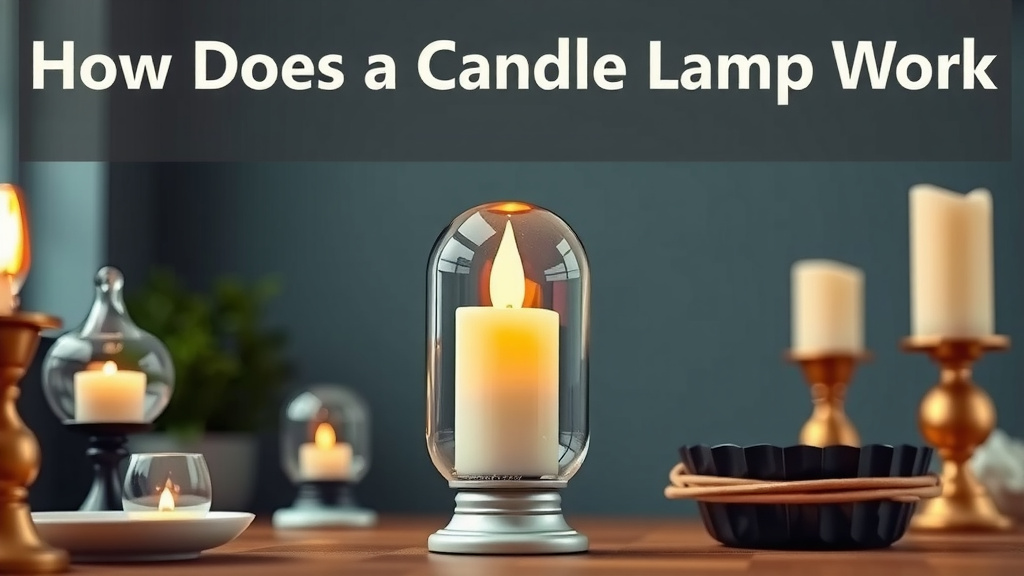
How Does a Candle Lamp Work Explained Simply
A candle lamp works by using a wick made of absorbent material to draw up melted wax, which then burns to produce light and heat. This simple but effective process is how a candle transforms solid fuel into a consistent flame.
It’s fascinating how such a basic design can create such a comforting ambiance. Many experts agree that the capillary action of the wick is the key scientific principle at play. This allows the wax to continuously feed the flame, making the candle burn longer.
- Candle lamps use a wick to draw up melted wax.
- The wick then burns the wax, creating light and heat.
- Capillary action is the science behind how the wick works.
- It’s a simple process for creating light and atmosphere.
Ready to understand the magic behind your favorite candle? Let’s dive into the science and see how your candle lamp really works.
Understanding How Your Candle Lamp Works
Candle lamps are wonderful for creating a cozy atmosphere. They might seem simple, but there’s a clever scientific process behind them. You might be curious about how a solid wax turns into a steady flame. It all boils down to a few key components working together.
The Core Components of a Candle Lamp
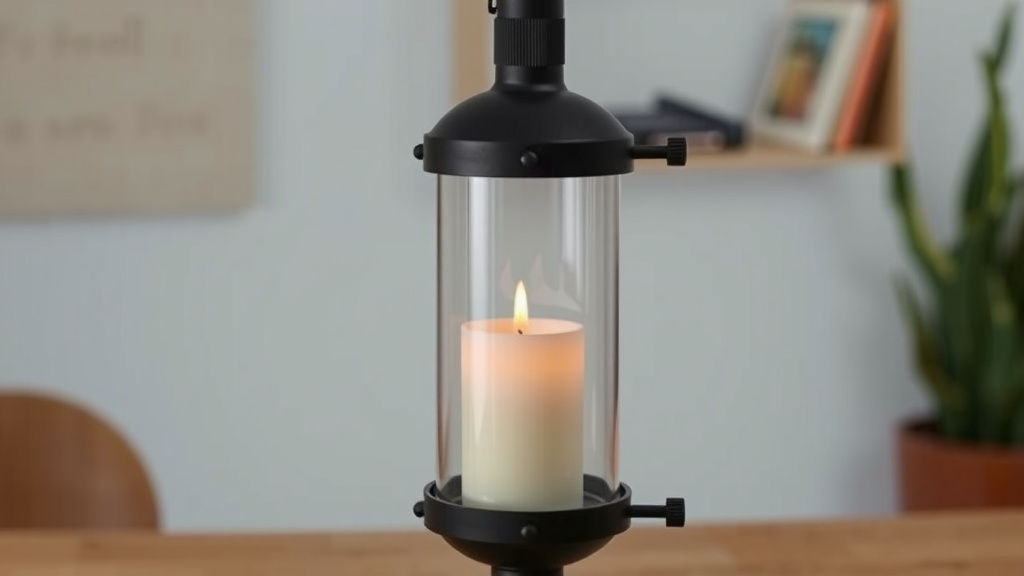
At its heart, a candle lamp consists of just a few essential parts. These pieces have a specific role in the burning process. Let’s break down what makes a candle work. A candle lamp, like a hurricane lamp, consists of a few essential parts that work together to create light.
The Wick: The Heart of the Flame
The wick is probably the most critical part. It’s usually made of braided cotton or a similar absorbent material. Think of it like a tiny straw. Its job is to soak up the melted wax. This is essential for feeding the flame.
The Wax: The Fuel Source
The wax is the fuel that powers your candle lamp. It comes in many forms, like paraffin, soy, or beeswax. When the candle burns, the heat from the flame melts the wax near the wick. This liquid wax then travels up the wick.
The Container: Holding Everything Together
Most candle lamps have a container. This is often made of glass, metal, or ceramic. Its main purpose is to hold the liquid wax. This prevents spills and shapes the candle. It also helps control the rate of melting.
The Science Behind the Burn: Capillary Action at Play
Have you ever wondered how the melted wax gets up the wick? It’s not magic; it’s science. The process is called capillary action. Many scientific bodies confirm this principle is key (Physics Explained).
How Capillary Action Fuels the Flame
Capillary action happens when a liquid flows in narrow spaces without help. It can even go against gravity. The tiny fibers of the wick are those narrow spaces. The liquid wax is drawn up these fibers.
Imagine a sponge soaking up spilled water. The wick works similarly. The wax is pulled up into the wick’s structure. This happens because of the forces between the liquid wax and the wick material. It’s a natural phenomenon.
The Role of Heat in Melting and Vaporizing
Once the wax reaches the top of the wick, the heat from the flame melts it. This liquid wax is then vaporized. It turns into a gas. This wax vapor is what actually burns. The flame you see is the combustion of these wax vapors.
The flame itself provides the heat needed to melt more wax. This creates a continuous cycle. The candle keeps burning as long as there is wax and a functioning wick. It’s a self-sustaining reaction.
The Burning Process: A Step-by-Step Look
Let’s walk through what happens from the moment you light your candle. It’s a sequence of events that produces light and warmth.
Step 1: Ignition and Initial Melting
When you first light the wick, the flame heats the wax directly around it. This causes the solid wax to melt. A small pool of liquid wax forms at the base of the wick. This initial melting is crucial.
Step 2: Wax Ascends the Wick
As the wax melts, capillary action takes over. The liquid wax is drawn up through the wick’s fibers. It moves upwards towards the flame. This supply line is constant if the wick is trimmed correctly.
Step 3: Vaporization and Combustion
At the top of the wick, the heat vaporizes the liquid wax. This wax vapor mixes with oxygen in the air. The flame ignites this mixture. This combustion releases energy as heat and light. It’s what you see and feel.
Step 4: Sustaining the Flame
The heat from the burning vapor keeps melting more wax. This renewed melting feeds the capillary action. The cycle repeats, sustaining the flame. This elegant process allows your candle lamp to burn for hours.
Factors Affecting Candle Lamp Performance
While the basic principle is simple, a few things can affect how well your candle lamp works. Paying attention to these can improve your experience.
Wick Length and Trimming
The length of the wick is important. If it’s too long, the flame can become too large. This can lead to smoking and soot. Research suggests keeping the wick trimmed to about 1/4 inch (National Candle Association). A properly trimmed wick burns cleaner and more efficiently.
Type of Wax and Additives
Different waxes burn differently. Paraffin wax is common and burns well. Soy wax burns slower and cleaner. Beeswax has a natural honey scent. Some candles have additives. These can affect the burn time and scent throw.
Airflow and Drafts
Candles need oxygen to burn. Too much airflow, like from a draft, can cause the flame to flicker or even extinguish. This can also lead to uneven burning. Placing your candle lamp away from open windows or fans is often best.
Container Shape and Size
The container can influence how the wax melts. Wider containers might create a larger melt pool. This can help the candle burn more evenly. Taller, narrower containers might lead to tunneling if the wax doesn’t melt all the way to the edge.
Understanding Candle Tunneling
Tunneling happens when the wick burns down the center. The wax around the edges remains solid. This wastes wax and reduces the candle’s lifespan. It’s often caused by a wick that is too short or not burning long enough to create a full melt pool.
A Quick Checklist for Optimal Candle Burning
Want to get the most out of your candle lamp? Keep these simple tips in mind:
- Trim your wick to 1/4 inch before each use.
- Burn your candle long enough for the wax to melt to the edges.
- Avoid drafts and strong air currents.
- Keep the wax pool free of debris.
- Store candles away from heat and direct sunlight.
Conclusion
You’ve now seen how a simple candle lamp works through the magic of capillary action. Your wick acts like a tiny straw, drawing melted wax up to feed a clean, steady flame. Understanding this process means you can improve your candle burning experience. You can prevent issues like tunneling and soot. Now you can enjoy the warm glow and cozy atmosphere your candle lamps provide with newfound appreciation. Next time you light one, you’ll know exactly what’s happening!
Frequently Asked Questions
Why does my candle make black smoke?
Black smoke usually means your wick is too long. A long wick burns inefficiently, creating soot. Try trimming your wick to about 1/4 inch before you light your candle. This helps the flame burn cleaner and brighter.
What is “tunneling” in a candle, and how do I fix it?
Tunneling happens when the wick burns down the center of the candle, leaving the outer wax untouched. This often occurs if you don’t let the candle burn long enough for the entire top layer of wax to melt. For the first burn, let the candle melt all the way to the edges.
Can any type of wax be used in a candle lamp?
Yes, most candle lamps can accommodate different types of wax, like paraffin, soy, or beeswax. Each wax type has its own burning characteristics. Soy wax, for example, tends to burn slower and cleaner than paraffin.
How does the container affect how a candle burns?
The container helps control the melt pool and prevent spills. Wider containers can promote more even burning by creating a larger melt pool. Taller, narrower containers might sometimes lead to tunneling if the wax doesn’t reach the sides.
Is it okay for the flame to flicker a lot?
A flickering flame can mean there’s a draft affecting your candle. Try moving your candle lamp away from open windows, fans, or vents. Steady airflow is best for a consistent burn and to prevent soot buildup.



![10 Best Daylight Magnifying Lamp [2026]](https://bestdesklamp.com/wp-content/uploads/2026/09/10-best-daylight-magnifying-lamp-2026-featured-768x432.jpg)