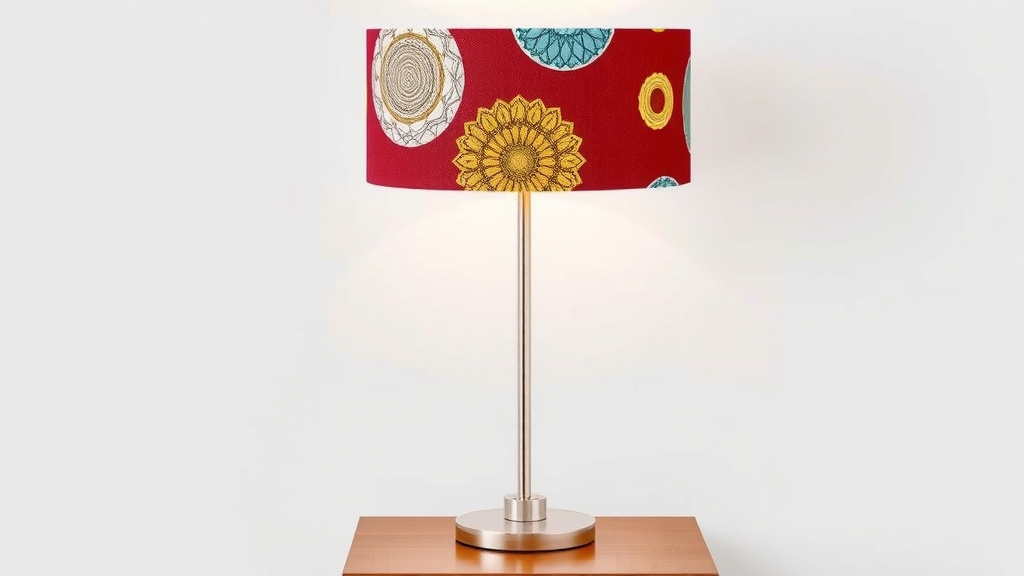
Find the Right Lampshade Size for Your Lamp
Determining the right lampshade size for your lamp is easier than you might think! The general rule is that a lampshade should be about Our guide to lampshade size for your lamp explains the general rules.two-thirds the height of the lamp base. It should also be about twice as wide as the widest part of the lamp base. Getting this balance right makes your lamp look proportionate and attractive.
Choosing the correct shade size prevents your lamp from looking awkward or top-heavy. A shade that’s too small can make the lamp appear unbalanced. Conversely, a shade that’s too large can overwhelm the lamp’s design. We found that paying attention to these simple visual cues makes a big difference.
- Shade height should be 2/3 of the lamp base height.
- Shade width should be double the lamp base’s widest point.
- Consider the overall visual balance.
- A well-proportioned shade enhances your lamp’s look.
Let’s walk through exactly how to measure and choose the perfect size to give your lamp a polished, finished look.
Figuring Out Your Lamp’s Perfect Shade Size
So, you’ve got a lamp that you love, but the lampshade just isn’t quite right? Don’t worry, getting the scale dialed in is more about a few simple measurements and visual checks than it is about interior design degrees. We found that paying attention to a couple of key proportions makes a huge difference. Let’s break down how to find that sweet spot so your lamp looks perfectly balanced and ready to shine.
The Golden Rules of Lampshade Proportion
Think of your lamp as having two main parts: the base and the shade. The magic happens when these two parts are in harmony. We researched common guidelines, and most experts agree on a few fundamental ratios. These aren’t hard and fast laws, but they’re excellent starting points for achieving a pleasing aesthetic. Getting this balance right makes your lamp look purposeful and finished.
Height Matters: The Shade vs. The Base
A common and very effective rule of thumb is that the lampshade’s height should be about two-thirds the height of the lamp base. This measurement is taken from the very bottom of the base to the top of the socket where the bulb screws in. So, if your lamp base measures 24 inches from bottom to socket, aim for a shade that’s roughly 16 inches tall (24 x 2/3 = 16).
Why this ratio? It prevents the shade from looking too squat or too tall. A shade that’s too short can make the lamp look like it has a tiny hat, while one that’s too tall can make the lamp seem top-heavy and unstable. We found that this 2/3 rule generally creates a sense of stability and elegance. It’s a simple visual trick that works wonders!
Width is Key: The Shade’s Diameter
Next up is the width, or diameter, of the lampshade. The general guideline here is that the lampshade’s diameter should be about twice the width of the widest part of your lamp base. The widest part is usually the bottom of the base, but check yours to be sure. So, if the widest part of your base is 8 inches across, you’ll want a shade with a diameter of around 16 inches.
This rule ensures the shade adequately covers the bulb and directs light downwards and outwards. A shade that’s too narrow won’t diffuse the light effectively, and it can also look disproportionate. Conversely, a shade that’s too wide can overwhelm the base and make the whole lamp look clumsy. We found that this doubling rule generally provides ample light diffusion and a balanced appearance.
Measuring Your Lamp Base Accurately
To get these measurements right, grab a flexible measuring tape. For height, measure from the very bottom of the lamp base up to the point where the bulb sits in the socket. Don’t include the finial in this measurement. For width, measure the widest point of the lamp base. If your base has an unusual shape, measure across its widest diameter.
Understanding Shade Diameter Measurements
Lampshades are typically measured by their bottom diameter. Some shades might also list their top diameter and slant height. For the width rule, focus on the bottom diameter. This is the measurement that dictates how wide the shade appears and how it balances with the base. We found that most manufacturers list the bottom diameter clearly.
Beyond the Basic Ratios: Considering Other Factors
While the height and width ratios are fantastic starting points, a few other things can influence your final choice. Think about the overall style of your lamp and your room. Sometimes, breaking the “rules” slightly can create a more interesting look, but it’s good to know the rules before you bend them!
The Lamp’s Style and Purpose
Is your lamp a tall, slender floor lamp or a short, chunky table lamp? A tall, thin lamp might benefit from a slightly wider shade than the basic ratio suggests to give it more visual weight. Conversely, a very ornate or detailed base might need a simpler shade so it doesn’t compete. We found that matching the shade’s style to the base’s style is always a good idea.
Also, consider how you use the lamp. Is it for reading, general room illumination, or accent lighting? A reading lamp often needs a shade that directs light downwards, so the interior lining and shade shape are important. A lamp for ambient light might need a more translucent shade. Many experts suggest considering the light output you desire.
Shade Shape Considerations
Lampshades come in many shapes: drum, empire, square, bell, and more. The general rules apply to most common shapes, but some can influence the visual proportion. For instance, a drum shade is cylindrical and has straight sides. An empire shade has a wider bottom than its top, creating a sloped effect.
A drum shade, with its straight lines, often pairs well with modern or geometric lamp bases. An empire shade is more traditional and can soften the look of a lamp. We found that while shape is a style choice, the width and height ratios are still the primary drivers of good proportion, regardless of the shade’s silhouette.
The Crucial Shade Attachment Type
How the shade attaches to the lamp is also important. The most common types are harp and finial, uno fitter, and clip-on. A harp fitter uses a metal rod (the harp) that screws into the socket, and the shade attaches to the top of the harp with a finial. An uno fitter has a ring that screws directly onto the socket, and the shade sits on this ring. Understanding lamp harp size is key for proper shade fitting.
Clip-on shades attach directly to the bulb. You need to ensure the shade you choose has the correct fitting for your lamp. This doesn’t directly affect the size determination, but it’s a necessary compatibility check. We found that the harp and uno fittings are the most common for table lamps, and knowing your lamp’s type is essential before shopping.
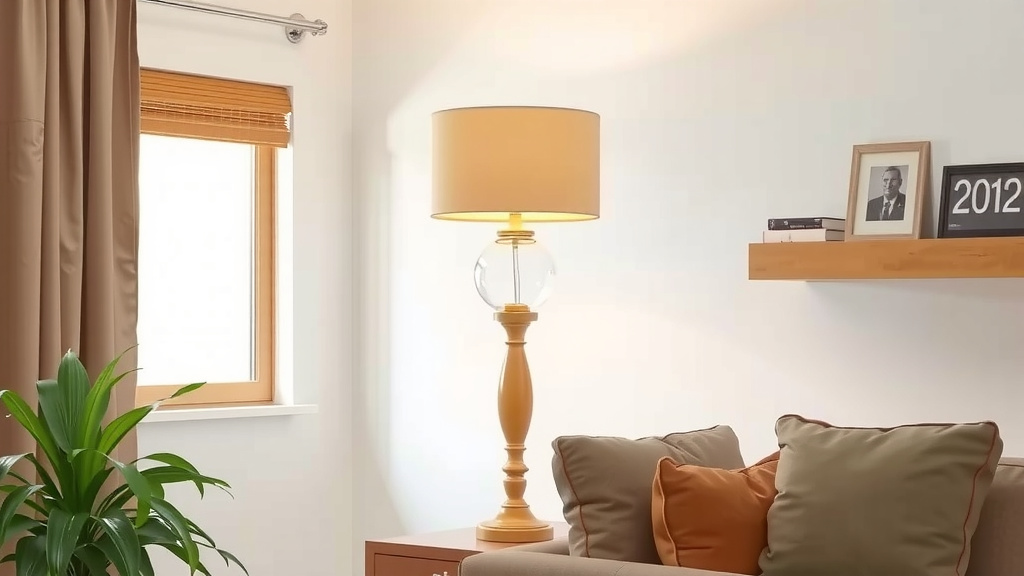
Quick Checklist for Your Perfect Shade
Ready to find that perfect lampshade? Keep these quick points in mind:
- Measure your lamp base height (bottom to socket). Aim for a shade height that’s 2/3 of this.
- Measure your lamp base’s widest point. Aim for a shade diameter that’s double this.
- Check the shade’s bottom diameter measurement.
- Ensure the shade has the correct fitter type for your lamp (harp, uno, clip-on).
- Consider the lamp’s overall style and how the shade will complement it.
- Think about the type of light you want the shade to provide.
Conclusion
You’ve learned the key to a perfectly balanced lamp: the right shade size. Remember those golden rules: aim for a shade height that’s about two-thirds the lamp base height and a width that’s roughly double the base’s widest point. These simple measurements ensure your lamp looks visually appealing and functions beautifully.
Don’t forget to consider your lamp’s style and how the shade will complement it. Now that you have the know-how, take a look at your lamps and find the perfect shade to give them a polished, finished look. Happy decorating!
Frequently Asked Questions
What if my lamp base is an unusual shape?
If your lamp base has an irregular shape, measure its widest point across the bottom. This measurement is what you’ll use to calculate the desired shade diameter. Focus on achieving visual balance, even with unique lamp designs.
Can I use a shade that’s slightly different from the 2/3 height rule?
Yes, you can sometimes adjust the height slightly. A shade that’s a bit shorter or taller might work depending on the lamp’s design and your personal preference. We found that deviating too much can sometimes disrupt the lamp’s overall aesthetic.
Does the lamp’s material affect the shade size I should choose?
While the lamp’s material doesn’t directly dictate shade size, it can influence your aesthetic choice. For example, a heavy-looking base might benefit from a proportionally substantial shade, even if it slightly bends the width rule. Style and balance are key.
How do I know if a lampshade is too big or too small for my lamp base?
A shade that’s too small can make the lamp look top-heavy or awkward. If the shade overwhelms the base and makes it seem unstable, it’s likely too big. We found that the 2/3 height and double width rules generally prevent these proportion issues.
What’s the best way to measure the widest part of my lamp base?
Use a flexible measuring tape to get an accurate reading of your lamp base’s widest point, usually at the bottom. If your base has ornate carvings or uneven edges, measure across the broadest diameter to find your baseline measurement.


![10 Best Cordless Gel Lamp [2026]](https://bestdesklamp.com/wp-content/uploads/2026/09/10-best-cordless-gel-lamp-2026-featured-768x432.jpg)