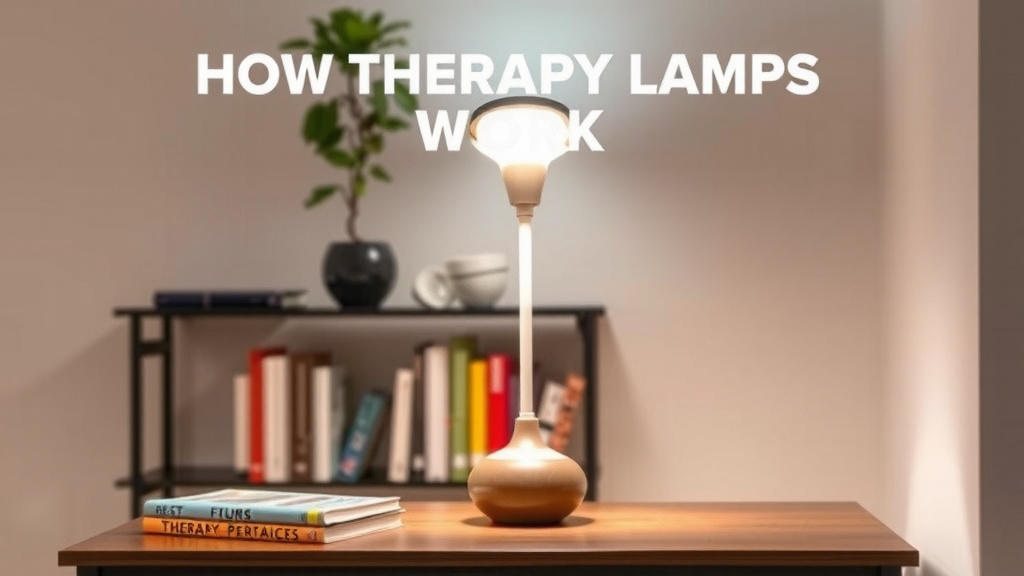
How Therapy Lamps Work: A Guide to Light Therapy
Therapy lamps work by mimicking natural sunlight to help regulate your body’s internal clock and improve your mood. They emit a bright light that signals your brain to reduce melatonin production, which is the hormone that makes you feel sleepy. This helps you feel more awake and alert, especially during darker months. Many people find that using a light therapy lamp can effectively combat the symptoms of Seasonal Affective Disorder (SAD).
These specialized lamps provide a consistent and controlled light exposure without the harmful UV rays found in natural sunlight. They are designed to deliver a specific intensity of light, often measured in lux, to achieve the desired therapeutic effect. Using one regularly can make a noticeable difference in your energy levels and overall well-being. It’s a simple yet powerful way to bring a bit of sunshine indoors when you need it most.
- Therapy lamps mimic natural sunlight.
- They help regulate your body’s internal clock.
- This can improve mood and energy levels.
- They are often used for Seasonal Affective Disorder (SAD).
- They provide bright light without harmful UV rays.
Ready to understand how these clever devices can brighten your days? Let’s walk through exactly how they work.
Understanding How Light Therapy Lamps Work
So, how exactly does a lamp that looks like a fancy desk lamp help you feel better? It’s all about tricking your brain into thinking it’s a bright, sunny day, even when it’s gloomy outside.
The Science Behind Light Therapy
Your body has a natural internal clock, often called your circadian rhythm. This clock tells you when to feel awake and when to feel sleepy. It’s heavily influenced by light.
Your Internal Clock and Light
Think of your circadian rhythm like a conductor leading an orchestra. Light is the cue the conductor needs to start the music. When you’re exposed to bright light, especially in the morning, it signals your brain to tell your body it’s time to be alert and active.
Conversely, darkness signals your body to produce melatonin. Melatonin is a hormone that helps you feel tired and ready for sleep. This is a good thing at night!
What Happens in Shorter Days?
During fall and winter, days get shorter. You might experience less natural sunlight. This can disrupt your internal clock. Your body might start producing melatonin earlier, making you feel tired and sluggish during the day. This is a major factor in conditions like Seasonal Affective Disorder (SAD).
Research indicates that exposure to bright light can help reset this internal clock (National Institutes of Health). It tells your brain that it’s still daytime, even if the sun isn’t shining.
The Role of Light Intensity and Spectrum
Not just any lamp will do. Therapy lamps are designed to deliver a specific type of light.
Measuring Light: Lux
The intensity of light is measured in lux. Your everyday indoor lighting might only be around 200-500 lux. A therapy lamp typically provides between 2,500 to 10,000 lux.
This high intensity is what effectively signals your brain. It’s like going from a dimly lit room to standing outside on a sunny afternoon. The change is dramatic and noticeable to your brain.
The Importance of Full Spectrum Light
Therapy lamps are often described as “full spectrum.” This means they emit a range of light colors, similar to natural sunlight. Natural sunlight contains all the colors of the rainbow.
Most indoor lighting, like incandescent bulbs, tends to filter out certain parts of the light spectrum. This is why they don’t have the same effect as natural light. Full-spectrum lamps provide a more complete and beneficial light experience.
How Therapy Lamps Mimic Sunlight
These lamps use special bulbs that can produce bright, full-spectrum light. They are engineered to deliver this light safely.
UV-Free Illumination
One of the biggest concerns with sunlight is its ultraviolet (UV) rays. UV rays can damage your skin and increase the risk of skin cancer. Therapy lamps are designed to emit very little to no UV radiation.
This means you can safely use them for extended periods without worrying about sun damage. The focus is on the visible light spectrum, which is what influences your mood and sleep patterns.
Controlled Exposure
Using a therapy lamp provides controlled exposure. You know exactly how much light you’re getting and for how long. This consistency is key to regulating your circadian rhythm.
You can set a schedule for using your lamp. This helps create a predictable pattern for your body. It’s like giving your internal clock a reliable wake-up call each day.
The Practical Application of Therapy Lamps
How do you actually use one of these lamps?
Placement and Distance
Where you place the lamp and how close you are to it matters. For most lamps, you’ll want to sit within 1 to 2 feet of the light source. This ensures you get the intended intensity of light.
Many people place their lamp on their desk while working or on a table near where they eat breakfast. The goal is to expose your eyes to the light for a certain amount of time each day.
Duration and Timing
Session lengths can vary. A common recommendation is to use the lamp for about 20 to 30 minutes each morning. This can help you feel more alert throughout the day.
Some people might need longer sessions or use it at different times. It’s often best to use it earlier in the day. Using bright light too close to bedtime can interfere with your sleep. We found that consistency is key to seeing benefits.
What the Experts Say
Many health professionals recommend light therapy as a non-medicinal approach for certain conditions.
The Mayo Clinic suggests that light therapy is a well-established treatment for SAD. It can also be helpful for other mood disorders and sleep disturbances.
We found that users often report positive changes in mood and energy levels after consistent use.
Are You Ready to Try a Therapy Lamp?
Understanding how these lamps work can empower you to make an informed choice. They offer a natural way to boost your mood and energy.
Here’s a quick checklist to remember the key takeaways:
- Mimic natural sunlight for your brain.
- Help regulate your body’s sleep-wake cycle.
- Use high intensity (lux) for best results.
- Provide full-spectrum, UV-free light.
- Require consistent daily use for effectiveness.
- Placement and duration are important factors.
Conclusion
You now understand how therapy lamps work by mimicking natural sunlight to positively influence your mood and energy. They achieve this by delivering bright, full-spectrum light that helps reset your body’s internal clock. By increasing your exposure to this beneficial light, especially during darker months, you can combat feelings of sluggishness and improve overall well-being. Consistency is key with these devices. Consider incorporating a therapy lamp into your morning routine to experience its effects firsthand and bring a little more sunshine into your life.
Frequently Asked Questions
How soon can I expect to see results from a therapy lamp?
Most people start noticing improvements within a few days to two weeks of consistent use. The exact timeline can depend on your individual needs and how regularly you use the lamp. Stick with it, and you should begin to feel more alert and uplifted.
Can I use a regular bright LED lamp instead of a therapy lamp?
While any bright light can help a little, regular lamps typically don’t provide the same intensity (lux) or the full spectrum of light needed for therapeutic effects. Therapy lamps are specifically designed to deliver safe, high-intensity, full-spectrum light that effectively signals your brain.
Is it safe to look directly at a therapy lamp?
Yes, it is generally safe to look in the direction of a therapy lamp, but you shouldn’t stare directly at it for extended periods. The light is designed to be viewed peripherally. Position the lamp so the light illuminates your face, similar to how you’d experience natural daylight.
Can therapy lamps help with sleep problems at night?
Therapy lamps are best used in the morning to help boost alertness and regulate your circadian rhythm. Using bright light too close to bedtime can disrupt your natural sleep-wake cycle by suppressing melatonin production. For sleep issues, consult with a healthcare provider.
Do I need a prescription to buy a therapy lamp?
No, you do not need a prescription to purchase a therapy lamp. They are available over-the-counter from various retailers, both online and in stores. You can choose a model that best fits your needs and budget.