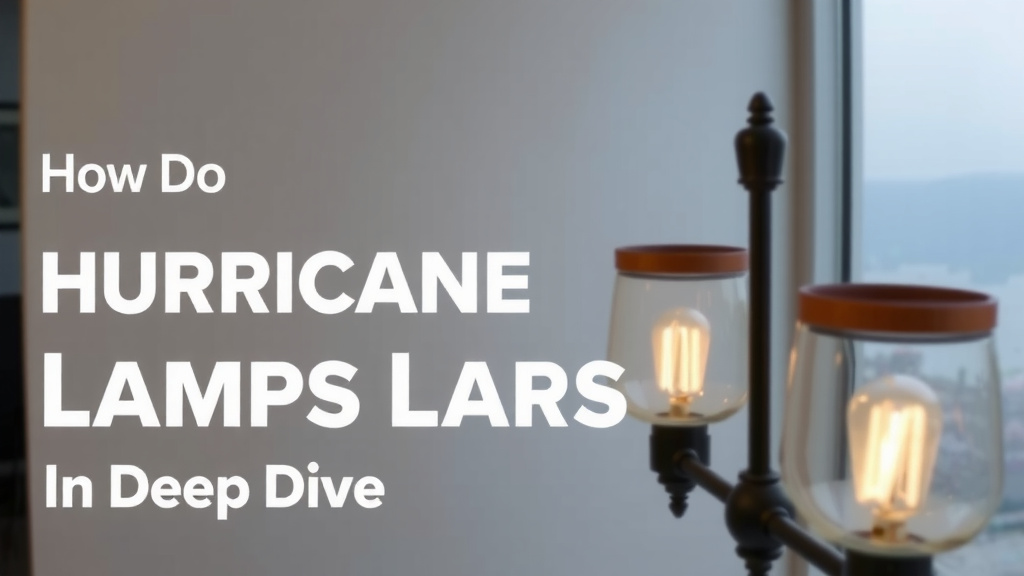
How Hurricane Lamps Work: A Deep Dive
Hurricane lamps work by using a specialized wick and a chimney to draw fuel vapor to the flame, creating a steady, bright light even in windy conditions. This clever design prevents the flame from flickering out by ensuring a consistent airflow. It’s a simple yet effective way to get reliable light.
These lamps have been around for a long time, proving their worth during storms and power outages. Their design relies on basic scientific principles, making them a dependable light source when modern conveniences fail. They’re often seen as a charming addition to home decor too.
- Hurricane lamps use a wick and chimney.
- They create a steady flame in wind.
- This design is very old and reliable.
- They are great for emergencies or ambiance.
Let’s dive a little deeper and explore exactly how these classic lamps manage to stay lit when the weather gets rough.
“`htmlUnderstanding How Hurricane Lamps Create a Steady Flame
Hurricane lamps are pretty neat, aren’t they? They look charming, and they’re incredibly useful when the power goes out or the wind howls. But how do they actually work to stay lit in conditions that would snuff out a regular candle? It all comes down to a clever design that uses fuel, a wick, and a glass chimney. We’re going to break down the science behind this dependable light source.
The Core Components of a Hurricane Lamp
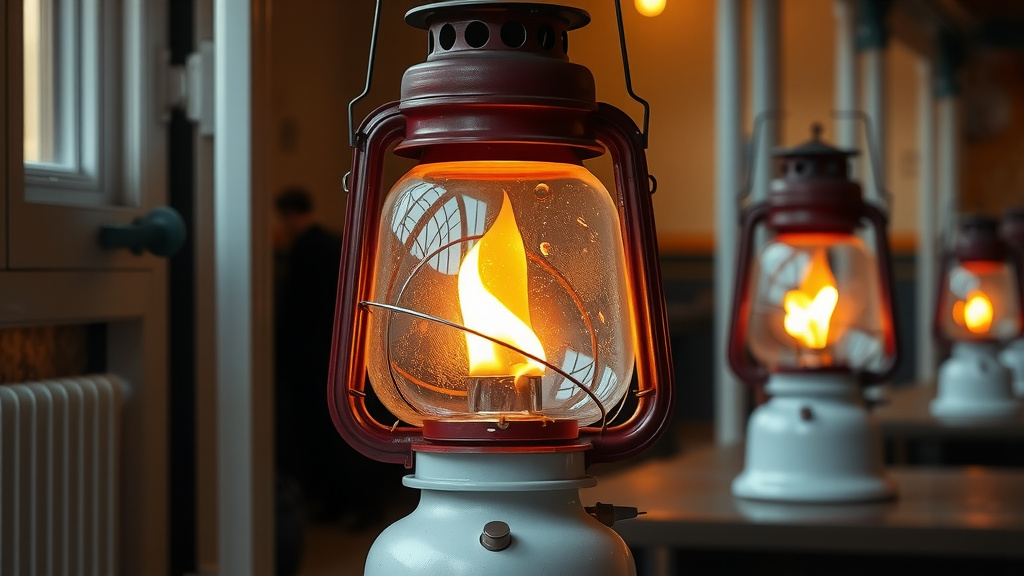
At its heart, a hurricane lamp is a simple device with a few key parts working together. You have a fuel reservoir, a wick, and a glass chimney. Each piece plays a vital role in producing a stable and bright light, even when Mother Nature isn’t being kind.
The Fuel Reservoir: The Lamp’s Heartbeat
The base of the lamp holds the fuel. This is usually a liquid fuel like kerosene, paraffin oil, or sometimes special lamp oil. It’s important to use the right type of fuel recommended for your lamp. Using the wrong fuel can lead to poor performance or even be unsafe. The reservoir is designed to hold a good amount of fuel, allowing the lamp to burn for many hours.
The Wick: The Fuel’s Pathway to Light
The wick is a strip of absorbent material, typically made of cotton. It sits in the center of the lamp, with one end submerged in the fuel and the other end extending upwards. The wick acts like a straw, drawing the fuel up from the reservoir through a process called capillary action. As the fuel travels up the wick, it becomes vaporized by the heat of the flame.
The Glass Chimney: The Wind Shield and Airflow Director
This is perhaps the most distinctive feature of a hurricane lamp. The glass chimney surrounds the flame. It’s not just there for looks; it’s essential for the lamp’s function. The chimney directs airflow. It has openings at the bottom to allow fresh air in. This air then travels up and around the flame, feeding it oxygen.
The Science of Combustion in a Hurricane Lamp
So, how does all this come together to create that steady light? It’s a beautiful dance of physics and chemistry.
Capillary Action: Drawing Up the Fuel
Think about a paper towel soaking up spilled water. That’s capillary action in a nutshell. The tiny spaces within the wick material pull the liquid fuel upwards against gravity. This continuous supply of fuel is what keeps the lamp burning. We found that the finer the weave of the wick material, the better it performs this task.
Vaporization and Flame Creation
As the fuel is drawn up the wick, the heat from the flame at the top causes the liquid fuel to turn into a gas or vapor. It’s this fuel vapor, not the liquid fuel itself, that actually burns. The vapor mixes with the air drawn in by the chimney. This mixture is then ignited, creating the flame.
The Role of Airflow: Keeping the Flame Alive
This is where the chimney really shines. A good flame needs a steady supply of oxygen. Without enough air, the flame would flicker, smoke, or go out. The chimney is designed to create a draft. Cool air enters the bottom openings, gets heated by the flame, becomes less dense, and rises up the chimney. This upward movement pulls more fresh air in from the bottom. It’s a self-sustaining cycle.
Why Hurricane Lamps Are Wind-Resistant
You might be wondering, with all that airflow, how does it not blow out? The design is quite ingenious in its simplicity.
The Protective Shield
The glass chimney acts as a physical barrier against gusts of wind. A direct gust of wind can easily extinguish a regular candle flame by disrupting the airflow and cooling the vapor. The chimney prevents this direct assault on the flame.
Controlled Air Intake
While the chimney allows air in, it does so through specific openings at the base. This controlled intake ensures that the air is directed properly to feed the flame without creating turbulence that could blow it out. Many lamps feature adjustable openings to fine-tune the airflow further. We found that even slight adjustments can make a difference in flame quality.
The Draft Effect
The draft created by the rising hot air is powerful enough to maintain the flame’s integrity. Think of a blacksmith’s forge; the bellows create a strong draft to keep the fire hot. The hurricane lamp’s chimney does something similar, ensuring a constant, consistent supply of oxygen that supports a stable burn.
Maintenance Tips for Your Hurricane Lamp
To keep your hurricane lamp working its best, a little regular care goes a long way. You want to ensure it’s always ready when you need it.
- Trim the wick regularly.
- Keep the fuel reservoir clean.
- Use the correct type of lamp oil.
- Store the lamp properly when not in use.
Comparing Hurricane Lamps to Other Light Sources
It’s helpful to see how these lamps stack up against other common light sources, especially in emergency situations.
| Light Source | Pros | Cons | Best For |
|---|---|---|---|
| Hurricane Lamp | Wind-resistant, long burn time, produces heat, no batteries needed | Requires fuel, potential fire hazard if not handled carefully, requires maintenance | Power outages, camping, ambiance |
| Battery-powered LED Lantern | Safe, no open flame, long battery life (sometimes) | Batteries can die, less warm ambiance, can be fragile | General emergency lighting, kids’ rooms |
| Candle | Simple, cheap, warm light | Flickers easily in drafts, short burn time, safety concerns | Temporary light, very calm conditions |
As you can see, each has its place. The hurricane lamp truly shines when you need reliable, bright light that can withstand less-than-ideal conditions. Many people find the warm glow they produce incredibly comforting during unsettling times.
Getting Your Hurricane Lamp Ready for Action
When preparing for a potential outage or just wanting to have a dependable light source handy, follow these quick steps:
- Ensure the wick is trimmed to about 1/4 inch.
- Fill the fuel reservoir, but don’t overfill it.
- Let the fuel soak into the wick for at least 15-20 minutes.
- Adjust the wick height for a steady, bright flame without smoke.
- Place the glass chimney securely on the lamp.
- Always test it in a safe, clear area first.
Conclusion
You’ve learned how hurricane lamps masterfully use a wick and chimney to create a stable flame. Capillary action draws fuel, vaporization ignites it, and the chimney directs airflow for a wind-resistant light. This design makes them a reliable choice for emergencies or adding a cozy glow. Keeping your lamp maintained ensures it’s always ready. Now that you understand the mechanics, you can confidently use and appreciate your hurricane lamp during any situation, from a power outage to a quiet evening outdoors.
Frequently Asked Questions
Can I use regular lamp oil in any hurricane lamp?
It’s best to use the type of fuel recommended by the lamp’s manufacturer. While many lamps use kerosene or paraffin oil, some are designed for specific lamp oils. Using the wrong fuel could lead to poor performance or safety issues.
How often should I trim the wick on my hurricane lamp?
You should trim the wick when it starts to look uneven or develops a mushroom shape after burning. Regular trimming, usually to about 1/4 inch, ensures a clean, steady flame without excessive smoke. We found trimming it before each use is a good habit.
Why does my hurricane lamp smoke?
Smoking is often caused by a wick that is too high or an improper fuel-to-air mixture. If the wick is trimmed correctly and you’re using the right fuel, try adjusting the wick height slightly. Ensuring the glass chimney is clean also helps maintain good airflow.
How long will a hurricane lamp burn on a full tank of fuel?
The burn time varies depending on the lamp’s fuel reservoir size and the wick’s height. Typically, a properly filled lamp can burn for anywhere from 8 to 30 hours. Larger lamps with bigger reservoirs will naturally last longer.
Is it safe to use a hurricane lamp indoors?
Yes, hurricane lamps can be used indoors if proper precautions are taken. Always place the lamp on a stable, heat-resistant surface away from flammable materials. Ensure there’s adequate ventilation, and never leave a burning lamp unattended.
![10 Best Bedside Lamps For Sleep [2026]](https://bestdesklamp.com/wp-content/uploads/2026/08/10-best-bedside-lamps-for-sleep-2026-featured-768x432.jpg)

![10 Best Basking Lamp For Tortoise [2026]](https://bestdesklamp.com/wp-content/uploads/2026/08/10-best-basking-lamp-for-tortoise-2026-featured-768x432.jpg)