How Does a Candle Warmer Lamp Work? Full Guide
A candle warmer lamp works by using a heat source, typically a light bulb or a heating element, to gently melt the wax of your scented candle. This melting process releases the fragrance without the need for an open flame, making it a safer and cleaner way to enjoy your favorite scents. You get all the lovely aroma without any of the soot or fire risk.
This method is a popular choice for many households because it offers a more controlled and consistent scent diffusion. Unlike traditional burning, a candle warmer lamp allows you to manage the fragrance intensity by adjusting the heat or duration. Many users find this “melt and release” approach to be more efficient for their needs.
- Candle warmers use a bulb or element to melt wax.
- No open flame means less mess and improved safety.
- You can control scent strength more easily.
- Enjoy your candle’s fragrance for longer.
Let’s walk through exactly how this popular candle accessory operates, step by step.
Understanding How Candle Warmer Lamps Melt Fragrance
So, you’ve got a fantastic scented candle, and you’re wondering how a warmer lamp coaxes out its lovely aroma without a flame. It’s simpler than you might think! Candle warmer lamps use a gentle, consistent heat source to slowly melt the top layer of your candle’s wax. As the wax melts, the trapped fragrance oils are released into the air.
This is quite different from how a traditional wick works, right? Instead of igniting a wick and creating a flame that heats the wax from within, the warmer applies heat externally. This method is often called “melt and release,” and it’s a favorite for many for good reasons.
The Science Behind the Scent: Heat Meets Wax
At its core, a candle warmer lamp operates on the principle of thermodynamics. Heat is transferred to the wax, causing its molecular structure to change from solid to liquid. This phase change allows the volatile fragrance compounds within the wax to become airborne. Let’s break down the components that make this magic happen.
The Heat Source: Bulb vs. Element
Most candle warmer lamps rely on one of two primary heating methods: a light bulb or a built-in heating element. Both achieve the same goal—warming the wax—but they do it a little differently.
Incandescent or Halogen Bulbs
Many warmer lamps use a standard light bulb, often an incandescent or halogen type. These bulbs produce heat as a byproduct of emitting light. The bulb is typically positioned directly above the candle or in a small dish where the candle sits. The heat radiates downwards, slowly melting the wax. We found that the wattage of the bulb can influence how quickly the wax melts and the scent is released.
Electric Heating Elements
Other warmers use a direct electric heating element. These are often ceramic or metal plates that heat up when electricity flows through them. The candle jar usually sits directly on this heated surface. This method can offer a more controlled temperature without the light output, which some users prefer for bedrooms or spaces where light is undesirable. Research suggests this can lead to a steadier melt pool.
The Melting Process: From Solid to Scented Mist
Regardless of the heat source, the process is the same. When you turn on your candle warmer, the heat begins to warm the surface of your candle. The solid wax closest to the heat source starts to liquefy. This creates a “melt pool”—a small, liquid pool of wax. This melt pool is where the fragrance is most concentrated.
As the melt pool expands and deepens over time, it exposes more of the scented wax to the heat. The heat causes the fragrance oils, which are volatile organic compounds, to evaporate. These aromatic molecules then diffuse into the surrounding air, filling your space with scent. Many users report that this method allows for a more consistent scent throw compared to open flame burning.
Why Choose a Candle Warmer Lamp? The Advantages
You might be asking yourself, “Why would I use a warmer instead of just lighting the wick?” Well, there are several compelling reasons that make candle warmers a smart choice for enjoying your favorite fragrances.
Safety First: Eliminating the Open Flame
The biggest advantage is safety. Traditional candles require an open flame, which presents risks of fire, accidental burns, and damage to surfaces. Candle warmer lamps completely eliminate the risk of fire. This makes them ideal for homes with children, pets, or anyone who wants extra peace of mind. The U.S. Fire Administration notes that unattended candles are a leading cause of home fires, a risk completely removed with a warmer.
Cleaner Air and Surfaces
Burning a candle with a wick produces soot, which can discolor walls, ceilings, and the candle jar itself. It can also release particulate matter into the air. Candle warmers don’t burn the wax, so there’s no soot production. This means cleaner air and less residue to clean up. You’re essentially enjoying the fragrance without the combustion byproducts.
Preserving Your Candle’s Fragrance
When you burn a candle, the flame can sometimes be too hot and burn off the fragrance oils too quickly. With a candle warmer, the wax melts at a much lower, more controlled temperature. This gentle melting helps to preserve the integrity of the fragrance oils for longer. You might find your candles last longer and their scents remain truer.
Controlled Scent Intensity
Ever felt like a burning candle was too overpowering, or not strong enough? Candle warmers offer more control. You can adjust the melt time or even the heat setting on some models. A longer melting time generally leads to a stronger scent. You can also simply remove the candle from the warmer when the scent becomes too strong. This adjustable scent experience is a big plus for many.
How to Use Your Candle Warmer Lamp Effectively
Using a candle warmer is super straightforward, but a few tips can help you get the most out of it. It’s all about creating that perfect melt pool and enjoying the aroma.
Step 1: Prepare Your Candle
First, make sure your candle is suitable for warming. Most jar candles work perfectly. Remove any lids or protective covers. Some people like to trim the wick before using a warmer for the first time, though it’s not strictly necessary since you won’t be lighting it.
Step 2: Place the Candle on the Warmer
Position your candle directly on the warming plate or beneath the heat bulb, depending on your warmer’s design. Ensure it’s stable and centered. You want the heat to distribute evenly across the wax surface.
Step 3: Turn On the Warmer
Plug in your warmer and switch it on. You’ll start to see the wax begin to soften and melt around the edges. It might take anywhere from 15 minutes to an hour to form a full melt pool, depending on the warmer and the candle size.
Step 4: Enjoy the Aroma and Control Intensity
Once a good melt pool has formed, the fragrance will begin to fill the room. If the scent is too strong, simply turn off the warmer or remove the candle. If you want a stronger scent, let it melt for longer. You can keep it on for several hours, but always follow the manufacturer’s recommendations.
Step 5: Safely Store Your Candle
When you’re done enjoying the scent, turn off the warmer. Allow the wax to cool and solidify completely before moving or storing the candle. This ensures safety and preserves the wax for future use.
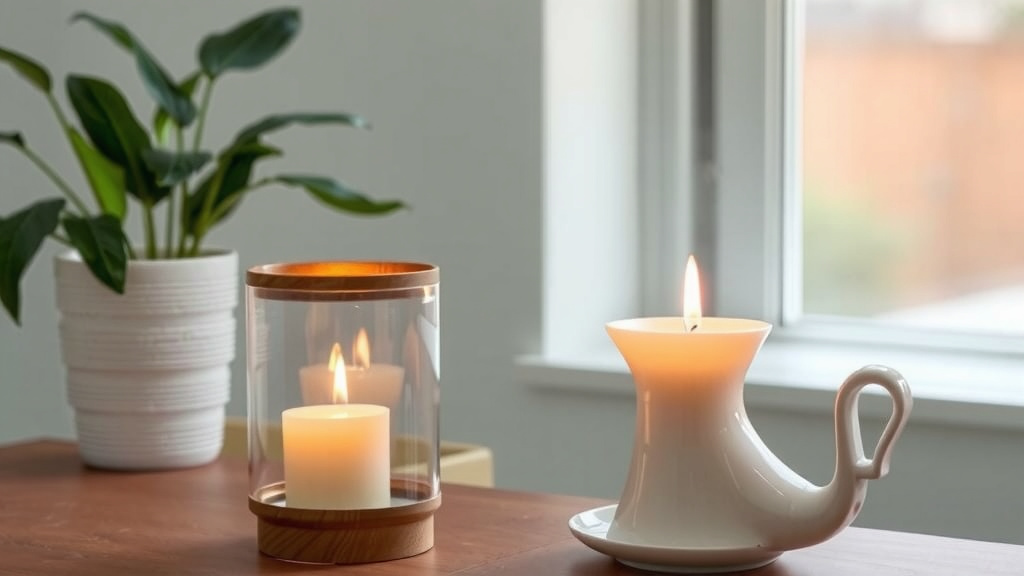
Candle Warmer vs. Traditional Candle: A Quick Comparison
To help you decide which method suits you best, here’s a simple breakdown:
| Feature | Candle Warmer Lamp | Traditional Burning |
|---|---|---|
| Heat Source | Electric bulb or heating element | Open flame (wick) |
| Safety | Very high (no open flame) | Moderate (fire risk) |
| Soot Production | None | Yes |
| Scent Control | Good (adjustable heat/time) | Limited (intensity varies) |
| Fragrance Longevity | Potentially longer, preserves oils | Can be shorter, oils evaporate faster |
| Air Quality | Cleaner (no combustion) | Can release particulates |
A Quick Checklist for Your Candle Warmer Journey
Ready to get started or optimize your experience? Keep these points in mind:
- Always use a stable, heat-resistant surface.
- Ensure good ventilation in the room.
- Never leave a warmer unattended for extended periods.
- Keep out of reach of children and pets.
- Clean your warmer periodically as per instructions.
- Enjoy the scent responsibly!
Conclusion
You’ve learned how candle warmer lamps offer a safe and clean way to enjoy your favorite scents. By using a gentle heat source, they melt the wax, releasing fragrance without an open flame. This method preserves your candle’s aroma and gives you better control over scent intensity. Make the switch to a candle warmer for a consistent, enjoyable fragrance experience in your home. Now you’re ready to choose and use your warmer like a pro!
Frequently Asked Questions
How long does it take for a candle warmer to start producing scent?
It typically takes about 15 minutes to an hour for a full melt pool to form. Once that pool is established, you’ll begin to notice the fragrance filling your space. The exact time can depend on the warmer’s wattage and the size of your candle.
Can I use any candle with a candle warmer lamp?
Yes, most jar candles work well with candle warmers. You don’t need a special type of candle. Just make sure the candle is placed stably on the warming surface or centered under the bulb.
Will a candle warmer melt the wax completely?
A candle warmer will create a melt pool on the surface of the wax. It usually doesn’t melt the entire candle down to the bottom unless left on for a very long time or if it has a very high heat setting. This partial melting helps preserve the wax and fragrance.
Is it safe to leave a candle warmer plugged in all day?
While safer than an open flame, it’s best not to leave any electrical appliance unattended for extended periods. Always follow the manufacturer’s guidelines for usage time. Turning it off when you leave the room or go to sleep is a good safety practice.
How do I clean a candle warmer lamp?
For bulb warmers, unplug it and let it cool completely. You can then wipe down the surface with a damp cloth. If you have a heating plate warmer, carefully wipe away any melted wax residue after it cools and solidifies.

![10 Best Corner Led Lamp [2026]](https://bestdesklamp.com/wp-content/uploads/2026/09/10-best-corner-led-lamp-2026-featured-768x432.jpg)
![10 Best Bedroom Lamps For Reading [2026]](https://bestdesklamp.com/wp-content/uploads/2026/08/10-best-bedroom-lamps-for-reading-2026-featured-768x432.jpg)