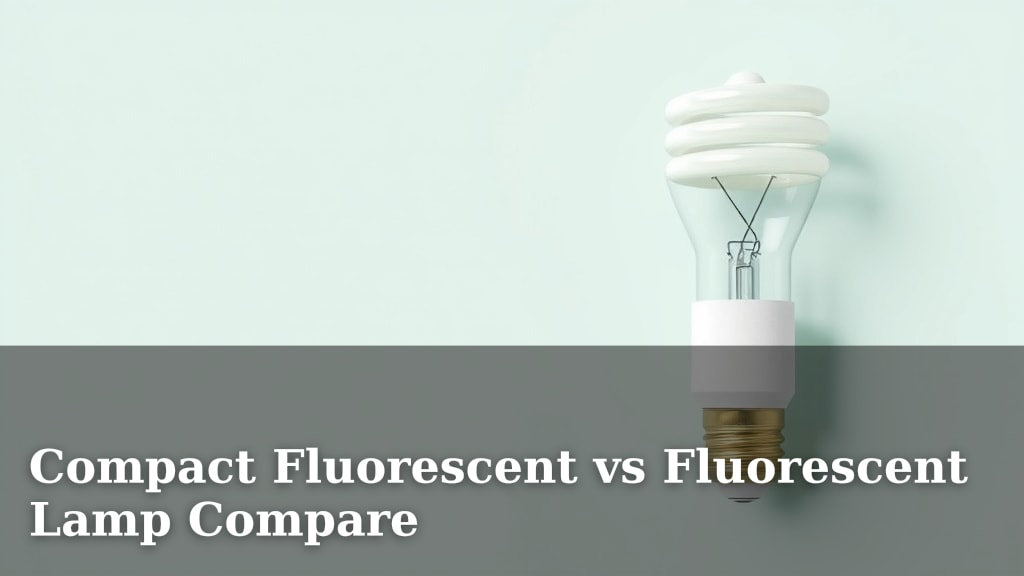
Compact Fluorescent vs Fluorescent Lamp Compare
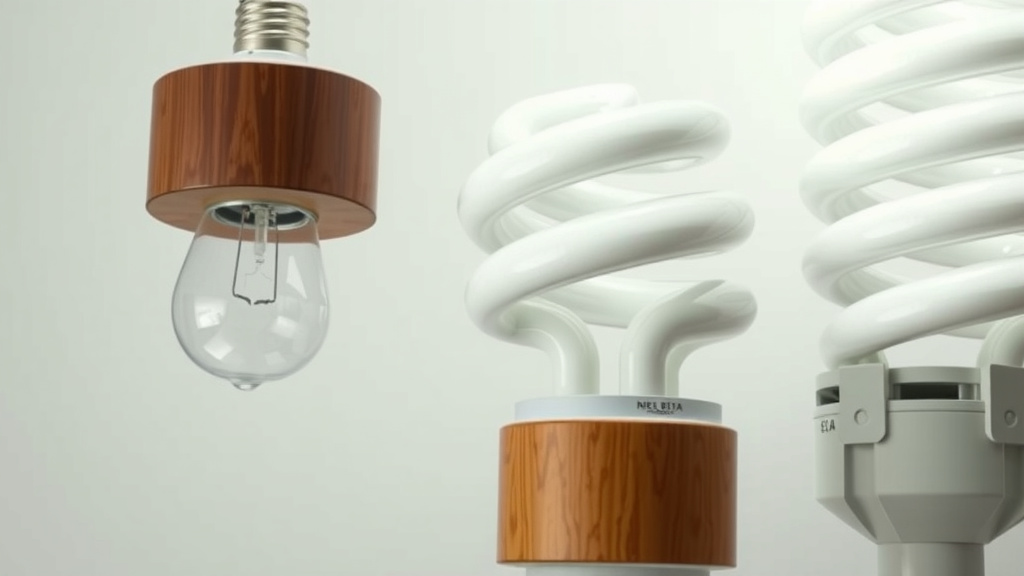
When comparing compact fluorescent lamps (CFLs) and traditional fluorescent tubes, the main difference often comes down to size and application. CFLs are designed as direct replacements for incandescent bulbs in standard household fixtures, offering a compact, self-contained unit. Fluorescent tubes, on the other hand, are typically longer and require a separate ballast to operate, commonly found in larger spaces like offices or garages. Both technologies provide energy efficiency over traditional incandescent bulbs, but their form factor dictates where they’re best used.
While both CFLs and fluorescent tubes use mercury vapor and phosphors to create light, CFLs integrated the ballast into the base, making them far more convenient for home use. This innovation allowed for a smaller, more manageable light source. Fluorescent tubes, meanwhile, have been the go-to for general lighting in commercial and industrial settings for decades due to their long lifespan and cost-effectiveness in bulk installations.
- CFLs are small and fit standard sockets, like those for incandescent bulbs.
- Fluorescent tubes are long and need a separate ballast, common in offices.
- Both save energy compared to older bulbs.
- CFLs are easier for home lighting upgrades.
- Fluorescent tubes are great for large areas.
Let’s dive deeper into the similarities and differences between these two types of fluorescent lighting to help you choose the best option for your needs.
“`htmlComparing CFLs and Traditional Fluorescent Lamps
When you’re looking to light up your home or workspace, understanding the differences between various bulb types is key. We often hear about CFLs and fluorescent tubes. They both offer energy savings over old incandescent bulbs. But they aren’t quite the same. Think of them as cousins in the lighting family. They share some DNA but have very different jobs.
The Core Technology: How They Work
Both compact fluorescent lamps (CFLs) and traditional fluorescent tubes rely on a fascinating process. It all starts with a small amount of mercury vapor inside the glass tube. When you flip the switch, an electric current passes through this vapor. This excites the mercury atoms, causing them to emit ultraviolet (UV) light. You can’t see UV light, so that’s where the magic happens.
The Phosphor Coating: Making Light Visible
The inside of the glass tube is coated with a powdery substance called phosphor. When the invisible UV light strikes this coating, the phosphor glows. This glow is what we see as visible light. The specific blend of phosphors used determines the color and quality of the light produced. Many studies have refined these mixtures over the years to create pleasing and efficient light. Different blends can mimic daylight or warmer household light.
The Ballast: The Brains of the Operation
Both types of fluorescent lighting need a ballast. This device is essential for starting the lamp and regulating the flow of electricity. Without it, the gas inside would quickly overheat and destroy the bulb. This is where a key difference emerges.
CFL Ballasts: Small and Built-In
With CFLs, the ballast is cleverly integrated right into the base of the bulb. This makes them a direct plug-and-play replacement for standard incandescent bulbs. You just screw it in, and it’s ready to go! This innovation was a huge step for home lighting. It made energy efficiency accessible without needing special fixtures.
Fluorescent Tube Ballasts: Separate and External
Traditional fluorescent tubes, on the other hand, typically use an external ballast. This ballast is usually part of the light fixture itself. You’ll find these fixtures in garages, basements, offices, and schools. The tube just slots into place, connecting to the ballast within the fixture.
Size and Application: Where They Shine
The most obvious difference is their size and shape. This directly influences where each type is best suited. It’s like choosing the right tool for the job. You wouldn’t use a tiny screwdriver to build a house, right?
CFLs: The Compact All-Rounders
CFLs are designed to be compact. They were created to fit into the same sockets as your old, energy-guzzling incandescent bulbs. You can find them in shapes that mimic traditional bulbs, spirals, or even candles. This makes them perfect for table lamps, floor lamps, ceiling fixtures, and sconces throughout your home. Their ease of use is a major advantage for homeowners looking for a simple upgrade. They offer a good balance of energy savings and familiar form factor.
Fluorescent Tubes: The Workhorses for Large Spaces
Fluorescent tubes are, as the name suggests, long and linear. They come in various lengths, with the most common being 2-foot, 4-foot, and 8-foot tubes. Because they need a separate ballast and are generally more powerful, they are ideal for lighting larger areas. Think about your garage, basement workshop, kitchen, or even commercial spaces like retail stores and offices. They provide ample, even lighting across broad areas efficiently. Many experts suggest they are still a cost-effective choice for these applications.
Energy Efficiency and Lifespan: Saving You Money
Both CFLs and fluorescent tubes are far more energy-efficient than incandescent bulbs. They also tend to last much longer. This means you’ll see savings on your electricity bill and spend less time replacing bulbs.
Energy Savings Compared to Incandescents
On average, fluorescent technology uses about 70-80% less energy than incandescent bulbs to produce the same amount of light. This is a significant saving, especially when you consider how many bulbs are in use in an average home or office. The U.S. Department of Energy has consistently highlighted these savings as a major benefit.
Lifespan: Outlasting the Old Guard
A typical incandescent bulb might last around 1,000 hours. In contrast, CFLs can last anywhere from 8,000 to 15,000 hours. Traditional fluorescent tubes often boast an even longer lifespan, sometimes reaching 20,000 to 30,000 hours. This longevity means fewer replacements, saving you money and hassle. It’s a clear win for your wallet and your time.
Key Differences Summarized
To help you see it all clearly, let’s break down the main distinctions:
| Feature | Compact Fluorescent Lamps (CFLs) | Traditional Fluorescent Tubes |
|---|---|---|
| Size | Small, designed for standard sockets | Long, linear tubes |
| Ballast | Integrated into the bulb base | External, part of the fixture |
| Primary Use | Home lighting (lamps, ceiling fixtures) | Large areas (garages, offices, workshops) |
| Installation | Simple screw-in replacement | Requires a fixture with a ballast |
| Light Output | Varies, good for general room lighting | High output, excellent for task and area lighting |
Making the Right Choice for Your Space
So, how do you decide which is best for you? It really comes down to your specific needs.
When to Choose CFLs
If you are replacing bulbs in your existing lamps, ceiling fixtures, or sconces, CFLs are usually the easiest choice. They fit right in without any modifications. You get energy savings and a long lifespan in a familiar package. They are a great way to start saving energy without changing your fixtures. Many people appreciate the softer, diffused light they often provide.
When to Choose Fluorescent Tubes
For larger spaces that need bright, even illumination, like a workshop, garage, or commercial setting, fluorescent tubes are often the superior option. Their higher light output and efficiency in large-scale installations make them very practical and cost-effective. If you’re outfitting a new space or replacing old fixtures, consider them. They are designed for continuous use and can handle the demands of these environments.
A Quick Checklist for Your Lighting Needs
Here’s a little checklist to help you think through your decision:
- Do you need to replace a bulb in a standard lamp? (CFL likely best)
- Are you lighting a large workshop or garage? (Fluorescent tube likely best)
- Do you want a simple, screw-in solution? (CFL is your friend)
- Are you installing new lighting in an office or commercial space? (Consider fluorescent tubes)
- What kind of light quality are you looking for? (Both offer options)
- What is your budget for new fixtures versus just bulbs?
By considering these points, you can make an informed decision about which type of fluorescent lighting will best serve your home or workspace.
“`Conclusion
You’ve learned that both CFLs and traditional fluorescent tubes offer great energy savings over older incandescent bulbs. Your choice really boils down to where you need light and how you want to install it. CFLs are your go-to for easy, direct replacements in most home fixtures, offering convenience and familiar shapes. Fluorescent tubes are the workhorses for larger areas, providing bright, efficient illumination where it’s needed most. Consider your specific lighting needs and existing fixtures to make the best decision for your space.
Frequently Asked Questions
Are CFLs still a good choice for home lighting?
Yes, CFLs are still a solid choice for many home lighting needs, especially for replacing bulbs in existing lamps and fixtures. They offer a good balance of energy efficiency and ease of installation. While newer LED technology is often more efficient, CFLs remain a budget-friendly option that still provides significant energy savings.
Do fluorescent tubes have any drawbacks compared to CFLs?
The main drawback of fluorescent tubes is that they require a specific fixture with a separate ballast, making installation more involved than simply screwing in a CFL. They also can be bulkier and are not designed for standard household lamps. Some older tubes might take a moment to reach full brightness.
Can I use fluorescent tubes in my garage if it’s not heated?
Yes, fluorescent tubes are excellent for unheated spaces like garages. They are known to perform well in colder temperatures, often better than CFLs or LEDs, which can sometimes experience reduced brightness or slower startup in extreme cold. Their durability also makes them suitable for workshop environments.
Which type of fluorescent lighting lasts longer?
Generally, traditional fluorescent tubes tend to have a longer lifespan than CFLs. While CFLs can last between 8,000 to 15,000 hours, fluorescent tubes often reach 20,000 to 30,000 hours. This means fewer replacements over time, especially in high-usage areas.
What are the color temperature options for CFLs and fluorescent tubes?
Both CFLs and fluorescent tubes come in various color temperatures, often described as “warm white,” “cool white,” or “daylight.” Warm white mimics the cozy glow of incandescent bulbs, while daylight provides a bluer, brighter light similar to natural sunlight. You can choose the color that best suits the mood and function of your space.
![10 Best Affordable Lamps [2026]](https://bestdesklamp.com/wp-content/uploads/2026/09/10-best-affordable-lamps-2026-featured-768x432.jpg)